·
·

Culture & Society
A recent study by Australia's Flinders University revealed shocking facts about TikTok's impact on the mental and physical health of young people, confirming that content promoting ideal fitness and dietary supplements can turn into a "hidden nightmare" threatening self-satisfaction.
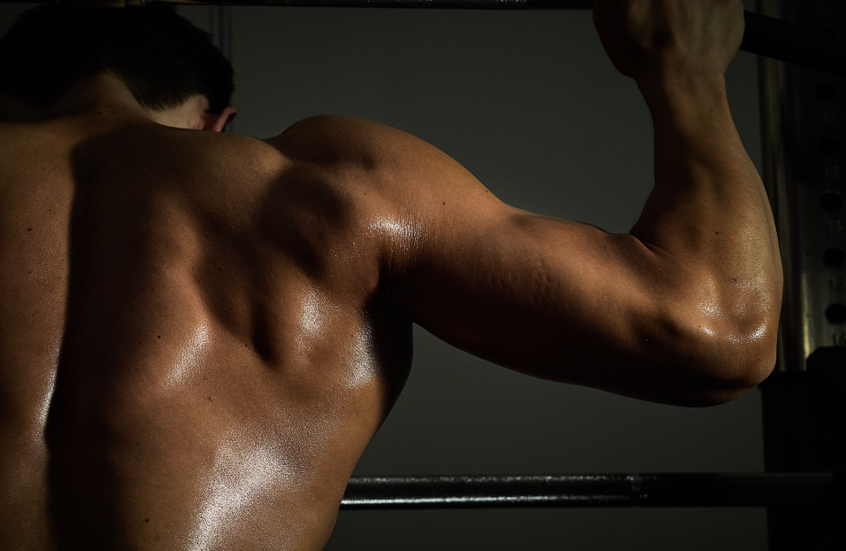
A recent study by Australia's Flinders University revealed shocking facts about the impact of the "TikTok" platform on the mental and physical health of young people, confirming that content promoting ideal fitness and dietary supplements can turn into a "hidden nightmare" threatening self-satisfaction.
The research, which included more than 280 young people (17-30 years old), proved that watching short videos for just 3 minutes was enough to cause immediate negative changes in their perceptions.
The experiment results showed that exposure to fitness content led to:
A sharp decrease in satisfaction with body shape and current fitness.
A decline in confidence in their current diet.
An increased urgent desire to use muscle-building supplements (such as creatine).
Dr. Nevile Pious, the lead researcher, explained that the problem lies in "social comparison." When a young person compares their body to the "ideal" bodies displayed, a feeling of inadequacy arises, pushing them to search for quick and often unhealthy solutions.
Serious Note: The study found that "motivational" exercise content was more impactful and negative than direct supplement advertisements, because it reinforces the idea that a natural body is insufficient.
Professor Ivanka Pritchard, a body image expert, warned that repeated exposure to this content could foster "muscle dysmorphia disorder," a psychological condition that makes a person obsessed with the size of their muscles, regardless of their actual size.
Key influencing factors according to the study:
Content Quality: Focusing on extraordinary end results instead of general health.
Exaggeration: Highlighting the benefits of supplements while ignoring their potential risks.
Algorithms: Repeated display of the same ideal content traps the user in a vicious cycle of dissatisfaction.
The researchers concluded their study, published in the journal "Body Image," by emphasizing that the solution does not lie in boycotting sports content, but in building "critical awareness."
How to protect yourself?
Realize that much of what you see is the result of lighting, camera angles, or even technical edits.
Critically evaluate health messages and do not be swayed by quick promises.
Remember that true health is not just measured by muscle size visible in a short video clip.