·
·

Economy
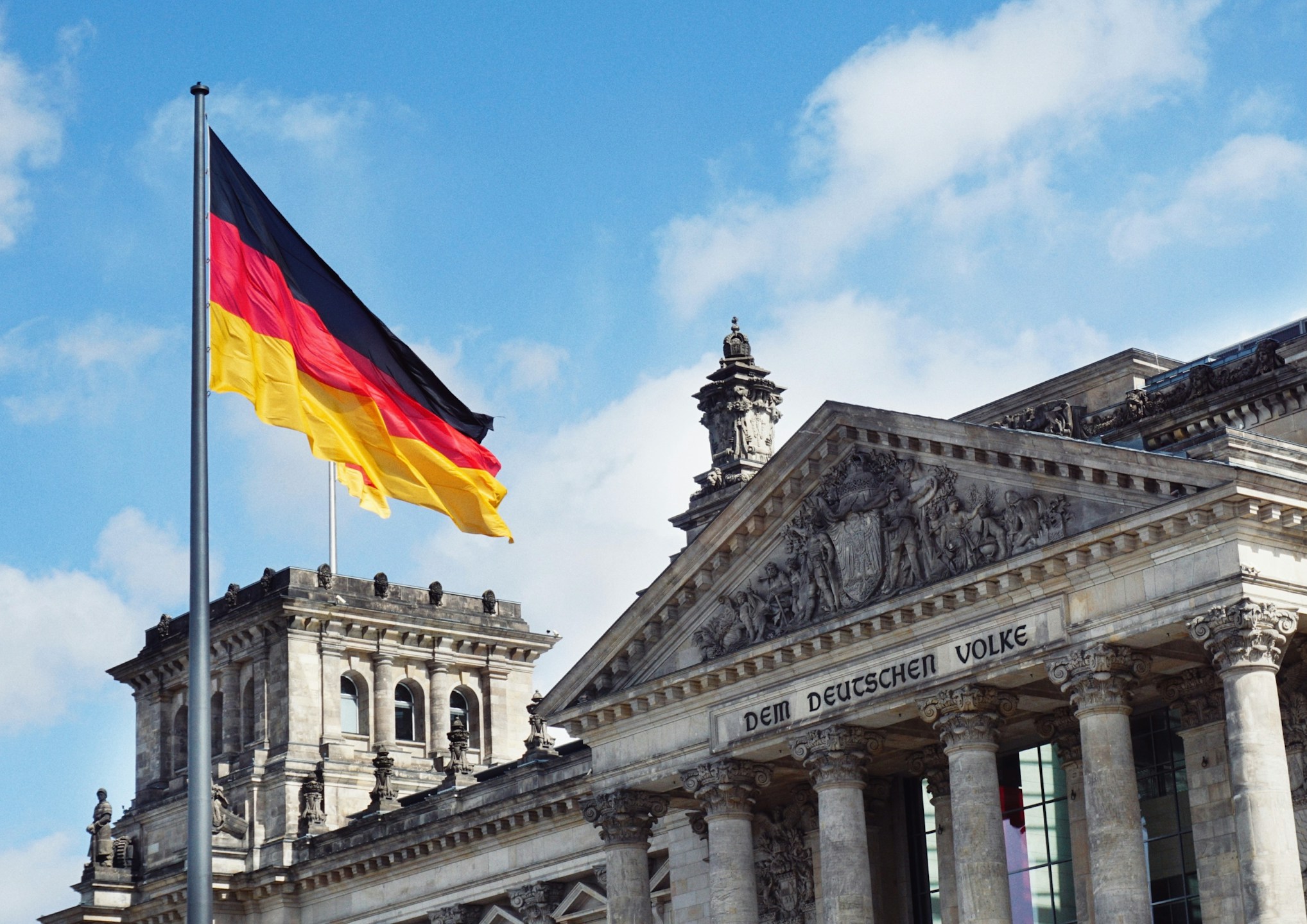
Germany's transport sector expects a further increase in bankruptcies as conditions deteriorate due to the fallout from the Iran war.
Dirk Engelhardt, president of the Federal Association of Road Transport, Logistics and Waste Management, told the German news agency: "Under the current circumstances, bankruptcies will continue to rise," adding that this would affect primarily small and medium-sized companies.
Engelhardt said: "The situation is catastrophic right now," explaining that rising fuel prices since the start of the Iran war have placed a heavy burden on medium-sized companies in Germany, while noting that the sector's situation was already very tense even before the war broke out.
He stressed that the biggest problem is "the acute shortage of drivers," with the sector lacking around 120,000 truck drivers and with this shortage trending upward.
Engelhardt said medium-sized companies have reduced their capacities in response to the difficult conditions, calling this a worrying development because it does not show up in bankruptcy statistics, adding that if the economy recovers or a crisis or defense situation arises, there may not be sufficient transport capacities.
Frank Huster, managing director of the Federal Association of Freight Forwarding and Logistics, said: "Overall, the economic situation is very bad. The logistics sector is also suffering as customer conditions deteriorate... revenues and profits are eroding."
Huster explained that the freight forwarding and logistics sector does not feel bankruptcies as acutely as the road transport sector, but clearly expected an increase in company closures there.
Several transport sector associations called on Chancellor Friedrich Merz a week ago in an open letter to take swift action to address the cost crisis, warning that rising energy prices and operating costs alongside growing economic pressures are pushing many companies to the edge of bankruptcy.
These associations called for cuts in energy and electricity taxes, elimination of double CO2 burdens in freight road transport, along with swift relief measures such as a cap on energy prices or compensation payments.