·
·

Economy
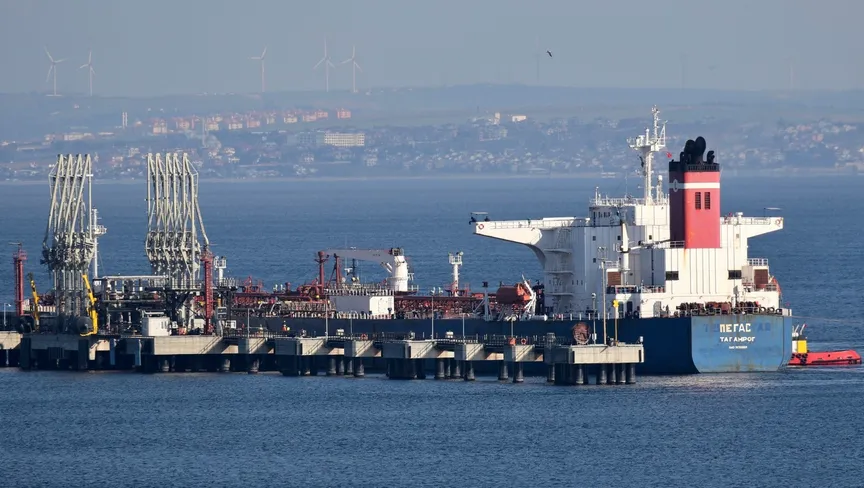
Oil prices fell on Tuesday following media reports of progress in negotiations between the United States and Iran to end the war.
Brent crude futures dropped 1.59% to $102.28 per barrel, while US WTI crude futures fell 0.41% to $100.85 per barrel.
Brent futures recorded an unprecedented monthly gain in March, with gains of approximately 64%, according to London Stock Exchange Group data going back to June 1988. US WTI crude also posted an increase of around 52% during the same period, its highest since May 2020.
John Kilduff, partner at Again Capital, said the market once again experienced a sense of relief following statements from the Iranian president suggesting that if hostilities ceased immediately, the Strait of Hormuz would be reopened and supply flows resumed — which could lead to a significant drop in the risk premium embedded in prices.
A Reuters poll showed that OPEC production fell in March by about 7.3 million barrels per day compared to the previous month, reaching 21.57 million bpd, its lowest level since the peak of the COVID-19 pandemic in June 2020, amid forced export restrictions.
Markets experienced high volatility throughout the month, with prices falling whenever US President Donald Trump hinted at de-escalating military tensions, before rebounding due to supply disruptions caused by Iran's threats to navigation in the Strait of Hormuz — a vital corridor for about one-fifth of global oil and gas production.
Analysts at Gelber & Associates energy consulting firm noted that oil prices reaching record levels has made market movements less reactive to individual events and more linked to expectations of possible interventions and the timing of supply responses.
Lynn Yi, vice president of commodity and oil markets at Rystad Energy, confirmed that the gradual decline in oil inventories is amplifying market vulnerability to any prolonged closure of the Strait of Hormuz, which could lead to actual supply shortages on a broader scale and accelerate price rises.