Economy
Prepare for insane technology price hikes — the secret lies in a gas nobody sees!
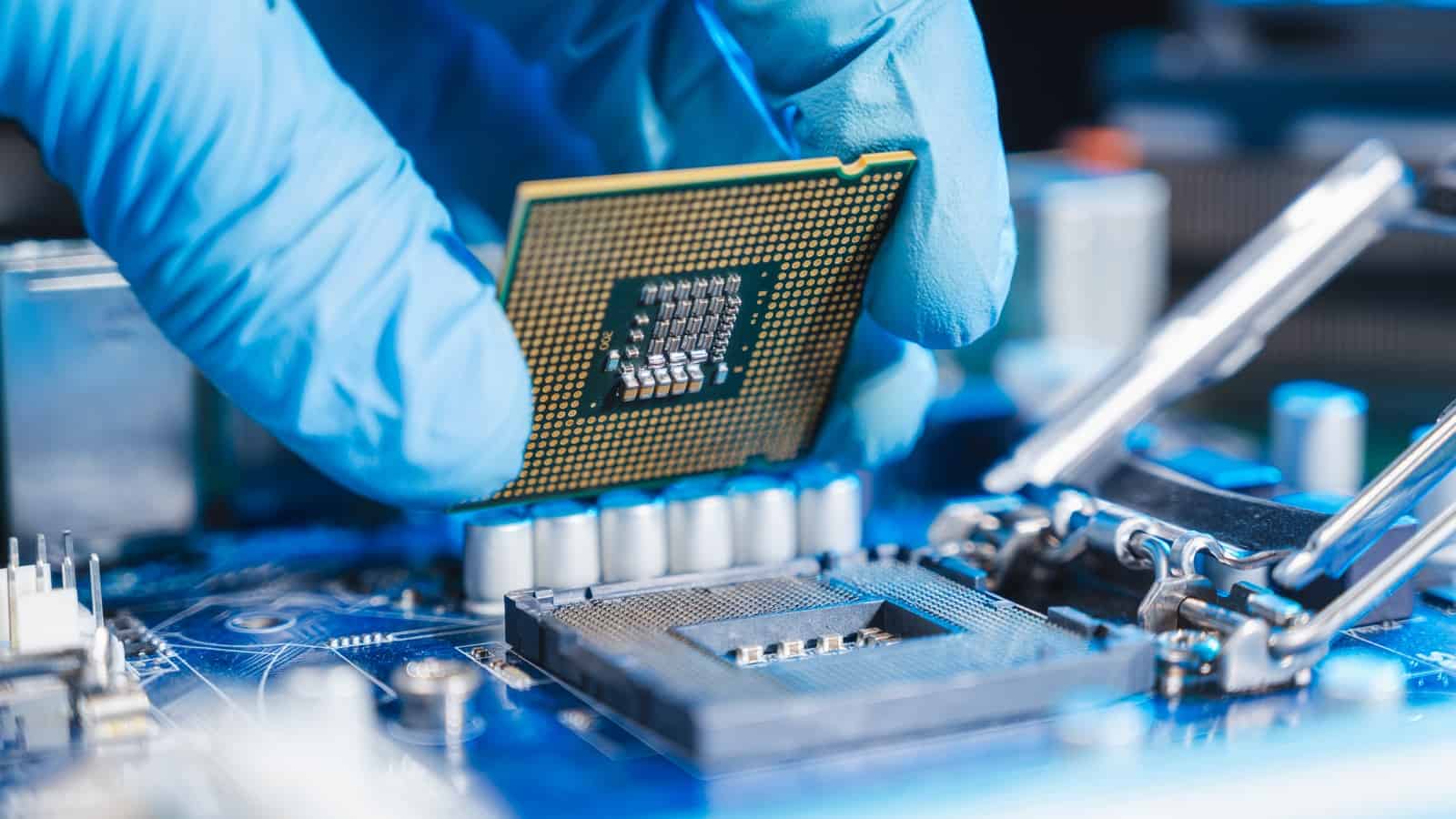
The fallout from the Iran-related war extends beyond energy markets to affect one of the most sensitive industrial resources — helium gas — threatening critical supply chains for AI, semiconductor, and advanced medical technology industries around the world.
The Wall Street Journal reported that the halt in natural gas exports from Qatar — which supplies about a third of global helium — has sharply squeezed the market after major facilities in the Ras Laffan industrial city were damaged this month, reducing flows of this vital gas.
A tight market under pressure
Helium is one of earth's rarest resources, extracted in limited quantities from natural gas fields, making increasing production or compensating for shortages a complex process that takes time.
The report explained that the halt in Qatari supplies has pushed supplier companies to reduce shipped quantities and impose surcharges, while spot prices have doubled as companies compete for available quantities given limited alternatives and rapidly depleting stockpiles.
Direct impact on technology and medicine
Companies use helium to cool sensitive equipment and maintain temperature stability during production of advanced semiconductors, which form the foundation of AI applications.
The medical sector also relies on helium to cool superconducting magnets in MRI machines, and the aerospace sector uses the gas to support rocket systems and purge fuel tanks.
Moves to secure supplies
Asian countries such as South Korea and Taiwan, which depend on Qatar imports, have begun seeking alternatives including US suppliers. South Korea imported about two-thirds of its helium needs from Qatar last year.
Some companies have also invoked "force majeure" clauses, cutting supplies to half the agreed quantities and imposing surcharges on contract prices.
Extended challenges and unclear outlook
The report indicates that restoring supplies will not happen quickly, even if the conflict ends soon, as infrastructure damage could reduce Qatar's helium exports by about 14% and repairs could take years. Companies also face logistical challenges, including the evaporation of liquid helium during transport, which increases the likelihood of losses.
Suppliers have focused on meeting the needs of critical sectors such as chip manufacturing and medical services, while non-essential uses suffer a greater impact. Although the United States, the world's largest producer, appears less affected in the short term, the continuation of the crisis could tighten the global market, raise production costs, and put pressure on supply chains.
The report illustrated how the helium crisis reflects the speed with which geopolitical shocks transmit to specialized yet vital markets for the digital economy, making diversification of supply sources and strengthening supply chain resilience a top priority for policymakers globally.
Related articles
Washington Pumps 92.5 Million Barrels from Oil Reserves to Lower Prices.. and Crude Exceeds $126

Between Rise and Fall.. How Have Gasoline and Diesel Prices Changed in the New Table?
Brent crude barrel rises to 125 dollars