Economy
Trump's Speech Rattles Markets: Oil and Dollar Gain, Safe Havens Lose
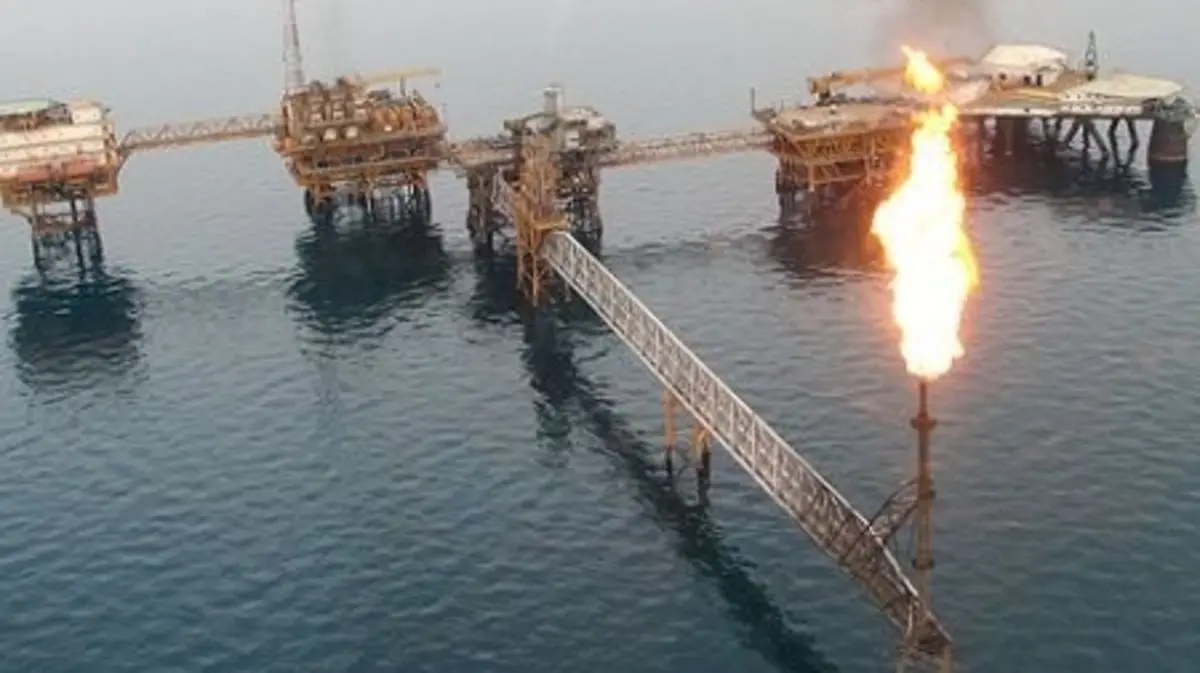
Global markets saw mixed moves following US President Donald Trump's speech on the war with Iran.
Oil prices and the dollar rose sharply, while precious metals fell steeply.
Brent crude futures climbed 3.8% to $105.12 per barrel, signalling continued concerns over energy supply, despite Trump's remarks about the military campaign nearing its end.
By contrast, spot gold fell more than 2% to $4,650.23 per ounce, while silver dropped more than 3% to $72.48 per ounce.
Dollar Recovers Strength
The dollar reversed its two-day downward trend, making notable gains after the speech, driven by heightened market anxiety over continued military escalation.
The dollar index rose to 99.925, before settling at 99.861, up 0.3%, as investors sought safe-haven assets.
This rise came after Trump's comments dashed hopes for an imminent ceasefire, as he confirmed that military operations would continue for an additional two to three weeks.
Major Currencies Under Pressure
Major currencies weakened against the dollar, with the euro falling to $1.1554 and the pound sterling declining to $1.3254, both losing around 0.3%.
The Australian and New Zealand dollars — more sensitive to risk sentiment — fell about 0.6%, as investors shied away from higher-risk assets.
The Japanese yen stood at 159.25 against the dollar, but remained below the critical 160 level that could prompt Japanese authorities to intervene.
Carol Kong, currency analyst at Commonwealth Bank of Australia, said markets were beginning to realise that escalation «may exceed current levels before it eventually subsides», supporting continued dollar strength.
She added that the moves reflect a state of caution and uncertainty, as investors weigh Trump's signals of the war nearing its end against his confirmation that strikes would continue.
Markets Eye US Data
With Trump's speech concluded, markets now await the US non-farm payrolls report, which could reshape monetary policy expectations.
Any weakness in the labour market could revive expectations for Federal Reserve rate cuts, particularly given the rising oil prices and war-related inflation concerns.
These market moves followed Trump's statements in which he declared the war «is approaching its end», while simultaneously hinting at further strikes in the coming weeks.
Trump's remarks about «crippling Iran's military capabilities» and destroying its infrastructure reinforced expectations of a possible reopening of the Strait of Hormuz, which could gradually restore oil flows, though short-term anxiety remains.
The Strait of Hormuz at the Heart of the Equation
Trump reiterated that the United States does not depend on the Strait of Hormuz, calling on other nations to secure it — a shift in the global energy security equation.
Despite his expectation that the strait «will automatically open» once the war ends, the continued risks associated with the vital waterway — through which around one-fifth of global oil supplies pass — kept crude prices supported.
Related articles
Washington Pumps 92.5 Million Barrels from Oil Reserves to Lower Prices.. and Crude Exceeds $126

Between Rise and Fall.. How Have Gasoline and Diesel Prices Changed in the New Table?
Brent crude barrel rises to 125 dollars