

AI
Pentagon Integrates Advanced AI from Tech Giants into Classified Military Networks
The U.S. Department of Defense has expanded its integration of advanced artificial intelligence tools from major tech firms onto its highly classified military networks, aiming to modernize decision-making and enhance operational capabilities.
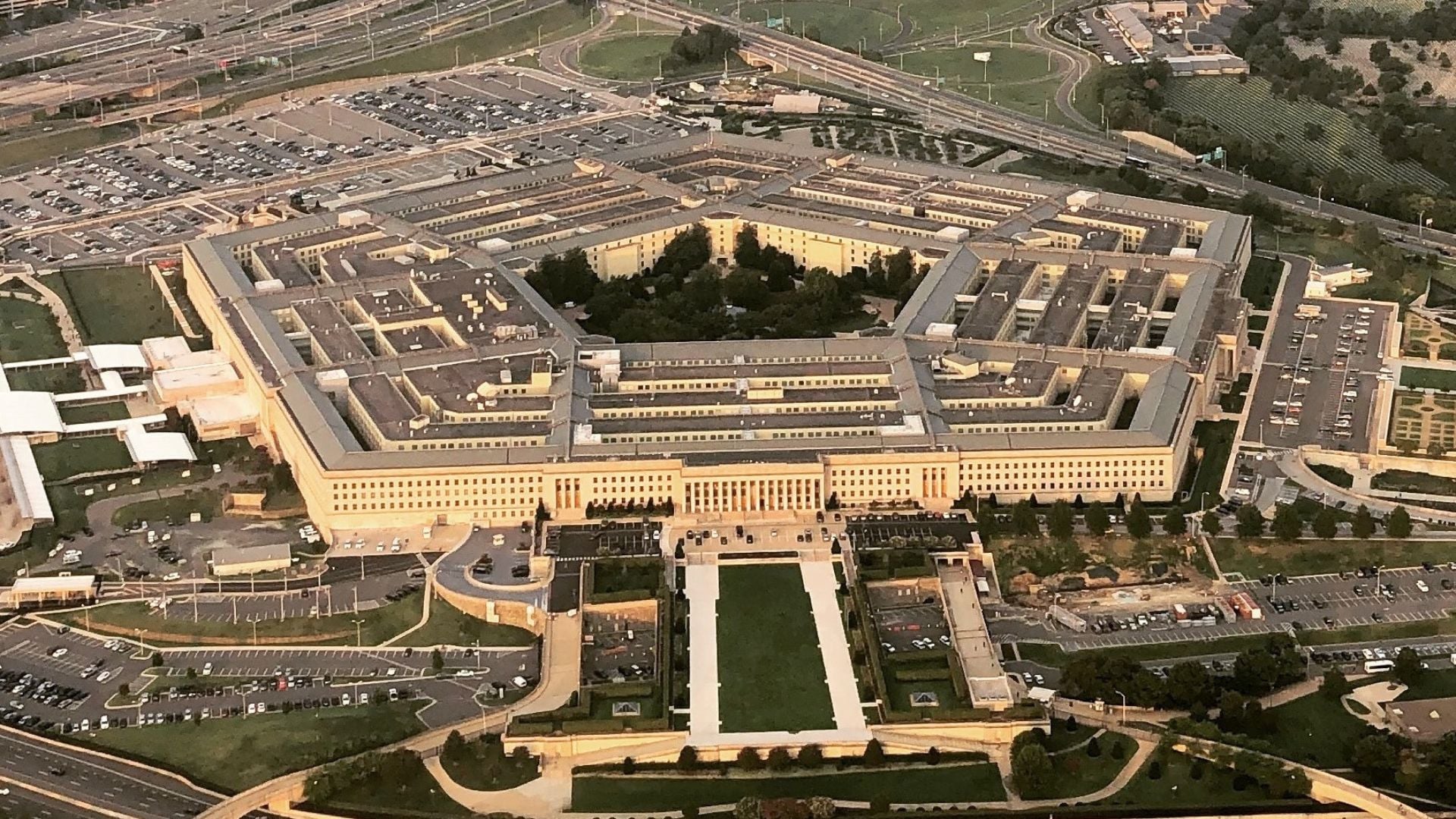
The U.S. Department of Defense (Pentagon) has significantly advanced its artificial intelligence initiatives by securing new agreements with leading technology companies to deploy sophisticated AI tools on its most secure, classified networks. This strategic move underscores the Pentagon's commitment to modernizing military operations and fostering a diverse vendor ecosystem.
Recent agreements involve tech giants Nvidia, Microsoft, Amazon Web Services (AWS), and Reflection AI. These partnerships build upon earlier collaborations with Google, SpaceX, OpenAI, and Oracle, signaling a broad push to leverage cutting-edge AI across various military domains.
Strategic AI Integration on Secure Networks
The Pentagon plans to deploy these advanced AI models and hardware within its highly secure Impact Level 6 (IL6) and Impact Level 7 (IL7) environments. These systems are specifically designed to handle sensitive national security data, requiring stringent physical controls, restricted access, and continuous auditing to maintain their integrity and confidentiality.
Officials state that the primary objective is to enhance battlefield awareness and accelerate decision-making processes. The integrated AI systems are expected to support critical functions such as data synthesis, intelligence analysis, and operational planning, particularly in complex and rapidly evolving environments.
“These agreements accelerate the transformation toward establishing the United States military as an AI-first fighting force and will strengthen our warfighters’ ability to maintain decision superiority across all domains of warfare,” a statement from the Defense Department affirmed.
This initiative expands upon GenAI.mil, the Defense Department's internal AI platform, which has already seen widespread adoption among military personnel. More than 1.3 million individuals have utilized the platform for tasks like research, drafting, and data analysis within secure cloud systems. The Pentagon reports that users have generated millions of prompts and deployed thousands of AI agents, significantly reducing operational timelines from months to days.
Vendor Diversity and Ethical Concerns
A key aspect of the Pentagon's AI strategy is to prevent reliance on any single technology provider, ensuring flexibility and resilience for the Joint Force. This approach aims to safeguard against potential vendor lock-in and foster a competitive environment for innovation.
“The Department will continue to build an architecture that prevents AI vendor lock-in and ensures long-term flexibility for the Joint Force,” the statement highlighted. “Access to a diverse suite of AI capabilities from across the resilient American technology stack will give warfighters the tools they need to act with confidence and safeguard the nation against any threat.”
However, this accelerated integration of AI into military applications has not been without controversy within the tech industry. A notable dispute arose with Anthropic, which reportedly resisted unrestricted military use of its AI systems, citing concerns about surveillance and the potential for autonomous weapons.
This debate extends to other major tech companies, with over 600 employees at Google urging their leadership to avoid similar defense contracts. An open letter addressed to CEO Sundar Pichai expressed deep reservations about the ethical implications of military AI.
“We want to see AI benefit humanity, not being used in inhumane or extremely harmful ways,” the letter stated. “This includes lethal autonomous weapons and mass surveillance, but extends beyond.”
The growing tension between commercial AI development and military applications suggests that as the Pentagon continues to advance its AI adoption, scrutiny and ethical considerations from within the technology sector are likely to intensify. According to Interesting Engineering, these developments mark a pivotal moment in the intersection of advanced technology and national security.
Related articles

Oura Smart Ring Expands into 'Women's Health': Revolutionary Features for Hormone Tracking and Menopause

Chinese Judiciary Curbs Automation's Overreach: AI Not a Justification for Dismissing Employees

"Google Photos" enters your wardrobe.. Will AI become your fashion coordinator?
