·
·

Tech & Science
In a promising medical breakthrough, scientists from Japan announced the discovery of an innovative method that may contribute to slowing the process of heart aging, and even help restore its vital functions that deteriorate with time, opening new horizons for treating age-related diseases.
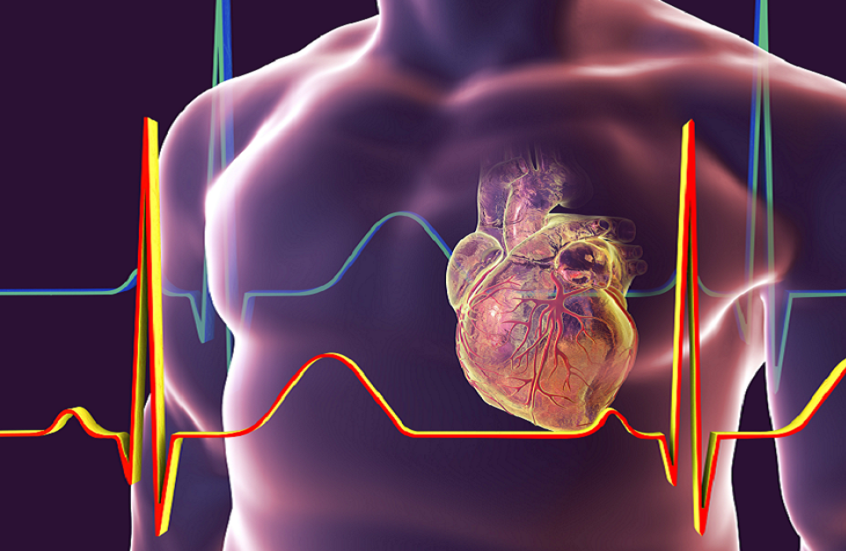
In a promising medical breakthrough, scientists from Japan announced the discovery of an innovative method that may contribute to slowing the process of heart aging, and even help restore its vital functions that deteriorate with time, opening new horizons for treating age-related diseases.
Professor Shigeru Yanagi, from the Faculty of Science at Gakushuin University in Japan, led research focused on a substance called "Metropin", which is derived from the natural compound "Berberine".
Laboratory experiments conducted on mouse cells showed that this substance plays a pivotal role in improving the function of mitochondria, known as the body's "power stations," responsible for producing the energy necessary for cells to function efficiently.
The research team explained that the secret to heart aging lies in the decrease in the number of mitochondria and the weakening of their functions with age, and this is where "Metropin" plays its role by:
Enhancing MITOL molecules: These are the molecules responsible for the "mitochondrial quality control system."
Increasing energy levels: By improving the cells' ability to produce the energy that the heart loses with age.
Slowing cell deterioration: Which directly leads to improved cardiac functions and prevention of muscular failure.
Professor Yanagi affirmed that the decline in mitochondrial function is the root cause of many age-related diseases. Despite the success of experiments on mice, the Japanese scientist emphasized the necessity of conducting clinical trials to confirm the effectiveness of this effect on humans.
Summary: This discovery may lead to the development of revolutionary therapeutic strategies, not limited to protecting the heart, but extending to combating aging in various organs of the body.