Economy
Turkey Central Bank hints at gold tools to bolster lira
The Turkish central bank governor signaled potential use of gold-linked instruments to strengthen foreign currency reserves amid inflation control efforts.

Fatih Karahan, the governor of the Central Bank of Turkey, indicated on Monday that the institution may employ gold-related mechanisms to reinforce its foreign exchange holdings. This approach mirrors strategies deployed during the onset of the Iran conflict to support disinflation objectives. Speaking in an interview with Anadolu Agency, Karahan described the bank’s management of reserves and liquidity as proactive, flexible, and disciplined.
Gold's role in reserve strategy
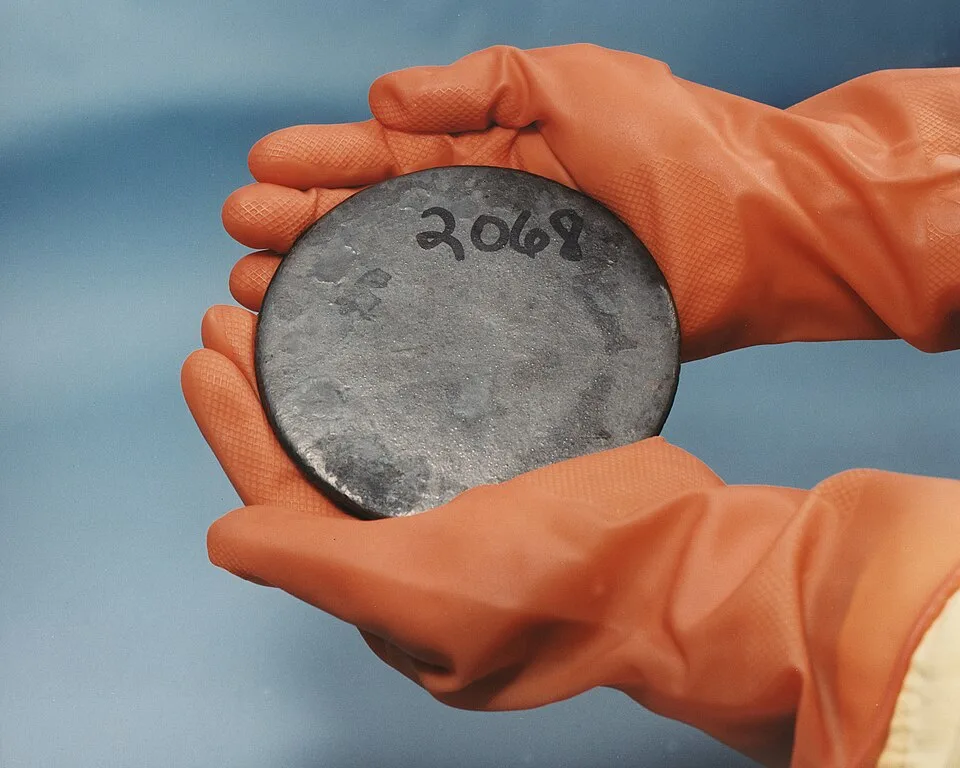
Karahan stated that when necessary, the bank can utilize any gold-linked tools proactively to enhance its foreign currency position. He noted that gold constitutes more than 60 percent of the total reserves held by the Central Bank of Turkey. This proportion exceeds that of many other nations, implying that gold must play a central role in both reserve management and policy formulation.
During the initial weeks of the US-Israeli war against Iran, the central bank sold and swapped approximately $8 billion worth of gold. These operations secured foreign currencies or lira to underpin the inflation-reduction strategy, which relies on maintaining a currency that depreciates at a steady pace. The governor’s remarks suggest the monetary authority is preparing for additional swaps of this nature.
Recent swap activities and liquidity
Karahan confirmed that the central bank closed gold swap deals upon their maturity dates. The bank also resumed lira-for-foreign-currency swaps with commercial banks, initially on a small scale. He added that recent liquidity developments could encourage lenders to increase their utilization of this facility.
The central bank has increased the share of gold in its reserves over recent years. Holdings peaked at approximately $136 billion by the end of February 2026, just before the outbreak of the Iranian conflict. Total Turkish reserves subsequently fell to $159 billion as of November 13, down from roughly $210 billion prior to the war.
Reserve decline drivers
According to Karahan, about 60 percent of this reduction in total reserves can be attributed to gold prices, which have dropped by more than a quarter since late February 2026. Despite these shocks, including the fallout from the recent investment funds scandal, domestic demand for foreign currencies remained limited. Demand for the lira stayed stable, which the governor cited as an indicator of confidence in the central bank’s policies.
Karahan explained that the central bank can deploy interest rates alongside macroprudential and liquidity tools to further support lira demand. Any weakness in the currency would be assessed in light of inflation outlooks. He also noted that Turkey could bolster the lira through tax measures.
Latest news

Fernandes faces Sporting CP in unique Champions League reunion

Dutch regulator warns against AI glasses that endanger bystander privacy
Rutte: No Consensus on Ukraine's NATO Membership; Decision May Be Affected by Settlement Negotiations with Russia