Culture & Society
Korea's Oldest Gunpowder Weapon Unearthed in Minefield Sweep
Troops clearing a suspected minefield on Mount Geumseong discovered a 600-year-old bronze handheld gun, potentially Korea’s oldest known firearm.

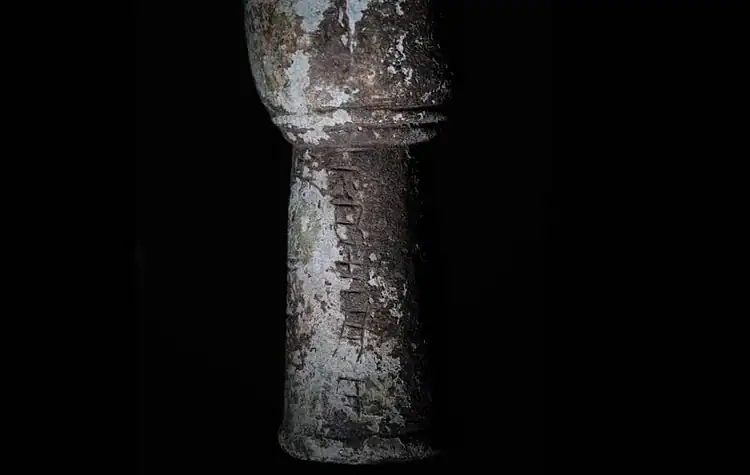
A small bronze artifact buried four inches beneath the soil of Mount Geumseong in southwestern South Korea has been identified as a Hwangja Hwatong, an early handheld gunpowder weapon. Troops sweeping what they believed was a suspected minefield in November 2023 uncovered the object, which researchers now believe may have lain underground for six centuries or more.
Discovery and Physical Characteristics
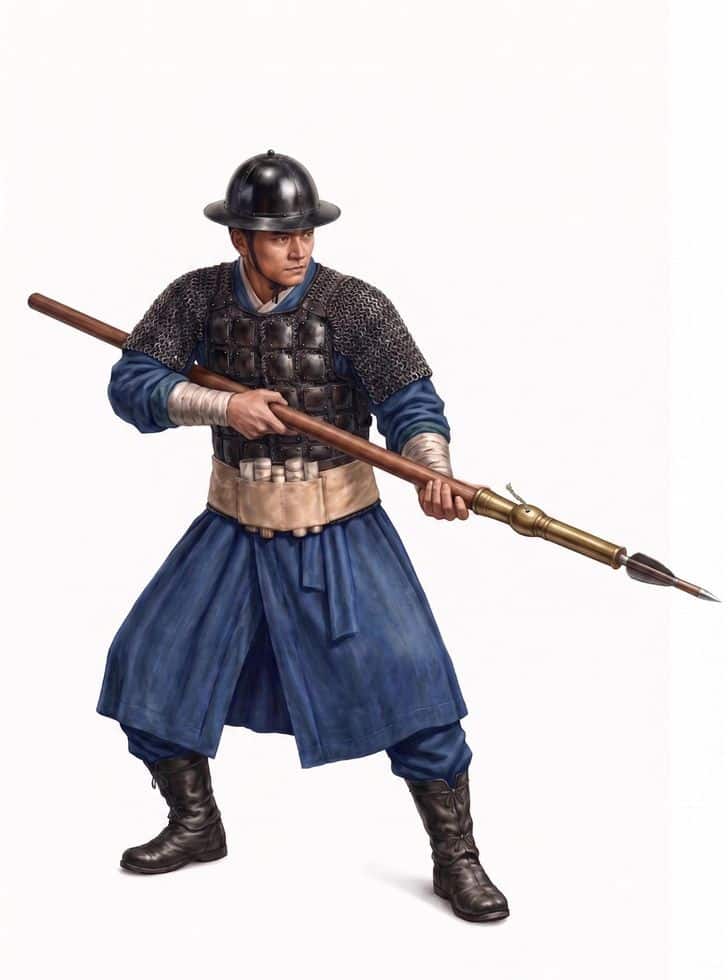
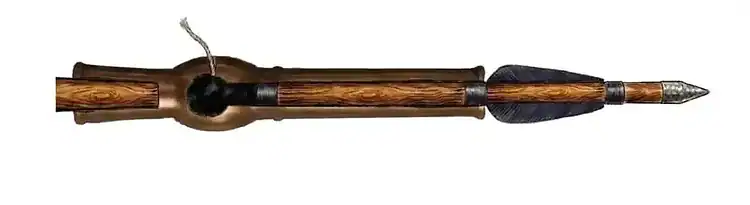
The Naju National Research Institute of Cultural Heritage spent nearly three years analyzing the find. The resulting identification describes a weapon measuring 23.75 centimeters in length and weighing just over one kilogram. Its compact size allowed a single soldier to carry it and fire gunpowder-propelled arrows or pellets.
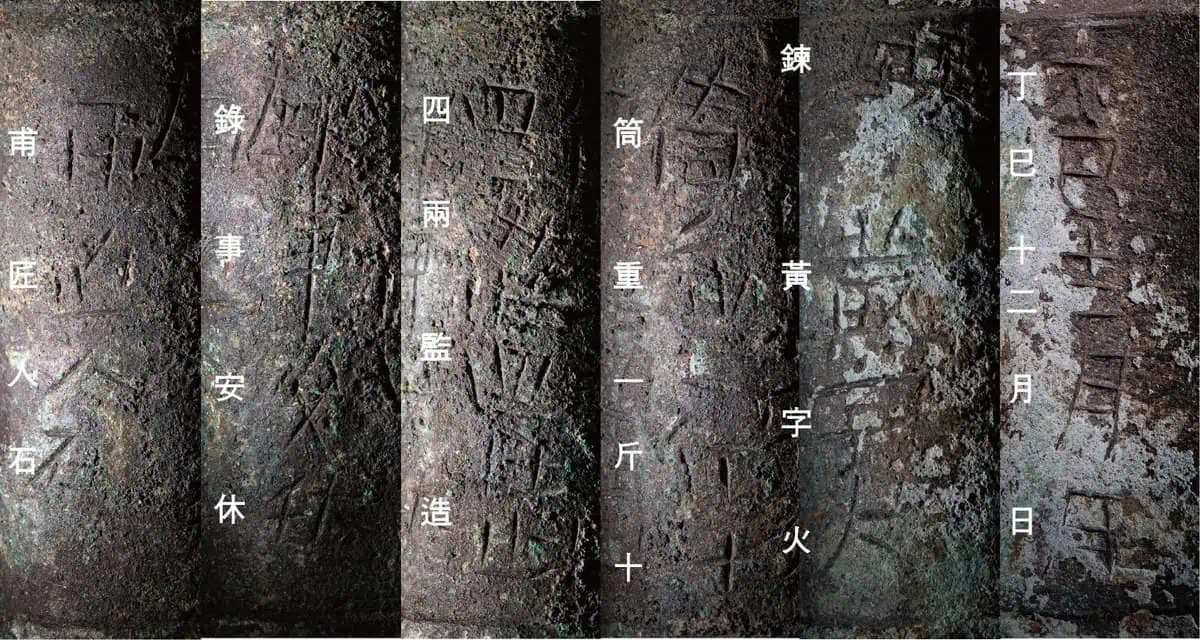
Twenty-eight engraved characters mark the surface of the bronze device. Twenty-seven of these appear in six columns on the handle socket, detailing the weapon’s name, weight, manufacturing supervisor, craftsman, and an incomplete date. A separate character on the muzzle, representing the number “eight,” likely functioned as an inventory or production identifier.
Historical Significance and Dating Challenges
Cho Mi-soon, director of the Naju institute, described the find to The Korea Times as an "extraordinary discovery with immense academic, historical and cultural value." She noted that physical artifacts of firearms from the transitional period between the late Goryeo and early Joseon dynasties are exceptionally rare.
-3
Determining the exact age of the weapon presents a complex puzzle. The inscription cites the twelfth month of a Jeongsa year, a designation within the traditional East Asian sexagenary calendar that repeats every 60 years. By cross-referencing the text with historical records and the evolution of Korean firearms, researchers narrowed the potential manufacturing dates to either 1377 or 1437.
If dated to 1377, near the end of the Goryeo Dynasty, the cannon would coincide with military official Choe Mu-seon’s persuasion of the government to establish the Hwatong Dogam, an agency dedicated to producing gunpowder weapons. This scenario would make the artifact a surviving object from the inception of state-organized firearm production in Korea. Alternatively, a 1437 date places the weapon under King Sejong the Great, a period when engineers actively improved firearms, though standardization of new designs did not occur until 1445.
-3
Technical Analysis and Archaeological Context
CT scans provided technical clues favoring an earlier origin. The imaging revealed a rounded powder chamber lacking the wooden wads found in later Sejong-era firearms, which were designed to transfer greater force to the projectile. This simpler construction aligns with earlier stages of firearm engineering.
Metallurgical examination showed the alloy consisted of copper, tin, and lead, with tin content kept below 10%. Microscopy detected traces of casting and impurities typical of the refining methods used during that era. No identifiable gunpowder residue remained inside the chamber.
Regardless of whether the final determination is 1377 or 1437, the artifact surpasses previous records. According to reporting by Kyunghyang Shinmun, the earliest nationally designated Korean firearm with a securely inscribed manufacturing year was a Cheonja Chongtong from 1555. A 1437 date pushes the physical record back by 118 years; a 1377 date extends the gap to 178 years.
While the Kyung Hee University Museum houses two other apparently early small cannons, their lack of recorded original findspots prevents secure dating. The newly discovered Hwangja Hwatong offers archaeologists a well-documented point of comparison. The inscription preserves specific names: An Hyu-bo served as the supervising official, while a craftsman named Seok cast the weapon. These details suggest that officials organized the production of these early guns systematically.
Researchers have not yet published these findings in a peer-reviewed journal, presenting results instead through an official research announcement. They plan to compare the weapon with additional historical material to pinpoint its exact manufacturing year. The institute also intends to seek treasure status for the artifact.
Latest news

Rutte: No imminent threat from Russia to NATO countries

Between Warnings and Regulation: Trump Meeting Reignites AI Safety Battle

Army Commander Discusses Developments with US Congress Members