·
·


Lebanon
Interior Minister Ahmed Al-Hajjar chaired a security meeting in Tripoli, emphasizing continuous state presence and security efforts across northern Lebanon and Akkar provinces.

Minister of the Interior and Municipalities Ahmad Al-Hajjar presided over a meeting of the sub-national security council for the northern and Akkar governorates, held in the Independence Hall at the Tripoli Seraya, with participation from Acting Governor of Northern Lebanon Iman Al-Rafii, Governor of Akkar Emad Labaki, the Appellate Public Prosecutor in the North Judge Hani Al-Hajjar, Secretary-General of the Central Internal Security Council Colonel Sami Naasif, Commander of the Northern Military Region Colonel Rakan Bassem Al-Ahmadieh, Head of the Northern Intelligence Branch Colonel Rakan Haroun Siour, Commander of the Northern Regional Police Force Colonel Mustafa Badran, Commander of the Tripoli Judicial Task Force Colonel Antoine Frangieh, Commander of the Amioun Police Company Colonel Miled Nassrallah, Commander of the Tripoli Police Company Colonel Bahaa Al-Samad, Head of the General Security Directorate in Akkar Colonel Abdel Razzaq Malati, Head of the Akkar Intelligence Branch Colonel Miled Toum, Commander of the Northern Investigation Task Force Lieutenant Colonel Sarkis Al-Hashem, Head of the National Security Division Lieutenant Colonel Hadi Hariri, Head of the General Security Directorate in the North Lieutenant Colonel Azar Chami, Head of the National Security Division in Akkar Lieutenant Colonel Ali Al-Iyoubi, Regional Director of State Security in the North Lieutenant Colonel Bassam Al-Hakim, Commander of the Zgharta Police Company Lieutenant Colonel Najib Al-Shami, Head of the Northern Intelligence Branch Lieutenant Colonel Omar Sharif, Commander of the 4th Carabinier Battalion Major Ziyad Jamal, Regional Head of the Anti-Drug Office in the North Captain Khaled Kandjo, Regional Head of the Anti-Terrorism Office in the North Lieutenant Colonel Hadi Al-Mir.
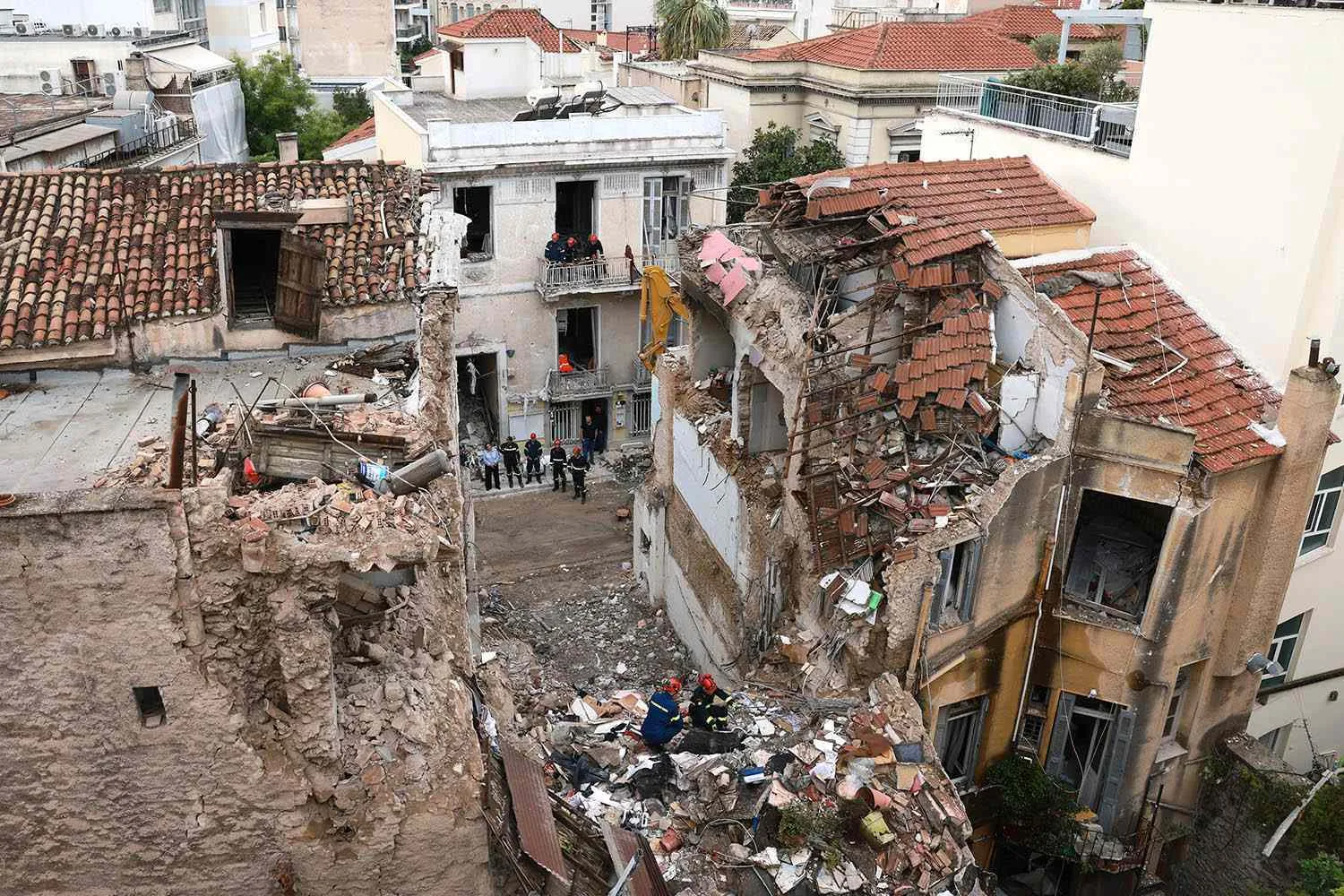
The participants discussed the security situation and ways to strengthen measures and procedures aimed at maintaining security and stability in the northern and Akkar governorates, particularly reducing gun violence, addressing individual disputes, and pursuing drug traffickers. The meeting also addressed several security and administrative issues, including road safety, enforcement against vehicles with tinted glass and unregistered vehicles, as well as motorcycles and 'tuk-tuk' transport vehicles. The discussion included organizing shared power generator operations and parking lots, addressing deteriorating buildings, and taking necessary eviction measures before demolition operations begin.
Following the meeting, Al-Hajjar held a press conference, affirming that his visit to Tripoli was part of direct follow-up on the city’s conditions and those of Northern Lebanon and Akkar governorates, stressing that the state’s presence extends beyond Beirut to all Lebanese regions. He said: "I wanted to be in Tripoli today to personally assess the situation and challenges, and to assure our people in the north that the state is present alongside them, and that the Ministry of Interior is directly monitoring everything related to their security, well-being, and law enforcement."
He emphasized that "the main theme of the meeting is security in all its dimensions, as a right for all citizens," noting that "the discussion covered gunfire incidents, possession of unauthorized weapons, killings, assaults, as well as combating drugs and their smuggling, distribution, and use." He confirmed that "additional security measures will be implemented and security presence will be strengthened in Tripoli and various areas of the north and Akkar, especially by the Internal Security Forces, in cooperation with the General Security and State Security, with close coordination with the Lebanese Army." He stated: "I assure the people of the north, especially in the city of Tripoli, that they will experience more security measures and enhanced security presence. What is required is greater enforcement of the law and protection of citizen safety and stability."
He pointed out that "security work will not be limited to temporary campaigns or actions lasting only days before ceasing," affirming that "security is an ongoing and continuous effort, and there will be serious, sustained follow-up to enhance security and stability in the north, particularly, and in Lebanon overall." He noted that "the meeting also addressed traffic and road safety issues, following numerous public requests to the ministry for greater attention to this matter."
He affirmed that "relevant security and administrative bodies will intensify their follow-up on this issue, coordinated with governors, judiciary, and security agencies."
On the issue of shared electricity generators, the Minister of Interior stressed the "need to avoid exploiting economic conditions or rising fuel prices—especially during summer—to impose unacceptable increases on citizens." He explained that "the Appellate Public Prosecutor, security agencies, and governors presented the measures taken on this file during the meeting," adding that "follow-up will become stricter."
He called on generator owners to "comply with official tariffs and required procedures," stating: "We understand the rise in fuel prices and the costs borne by generator owners, but on the other hand, citizens are facing difficult economic circumstances. A balance must be found between costs and profits, and people's ability to bear the burden."
He stressed that "those who do not comply will face deterrent measures," clarifying that the file is being monitored in coordination with the Ministries of Economy and Trade, Energy and Water, the competent judiciary, governors, and security agencies.
He clarified that "the meeting also addressed the issue of deteriorating buildings," affirming "ongoing follow-up with governors and relevant agencies and authorities." The discussion also covered several matters concerning Akkar governorate, particularly conditions in certain areas such as Old Akkar, Fneidik, and Qumoua region, as well as waste disposal sites and cross-border smuggling.
He expressed confidence that "the judiciary, security agencies, and administrative authorities are fulfilling their duties," noting that "the upcoming phase will see strengthened measures, increased rigor, and heightened readiness." He urged citizens across northern regions to cooperate with state, municipal, and security agency initiatives, affirming that "the vast majority of citizens want the rule of law applied and public life organized in their cities and villages."
Responding to a question about upcoming economic and investment projects in northern Lebanon, the Minister of Interior affirmed that "stability and security form the foundation for any investment or development process." He noted that "the government is making great efforts to strengthen stability across all Lebanese regions, while addressing major national challenges, foremost among them Israel’s continued occupation of parts of southern Lebanon, and working toward Israel’s withdrawal, the deployment of the Lebanese Army, and the return of displaced persons to their towns and villages." He added that "the government is also working to stimulate the economy and develop the north," highlighting "efforts and contacts regarding Tripoli facilities, the energy sector, and potential cooperation with Iraq, whether in securing oil or in projects related to reactivating oil infrastructure." He said: "The government will spare no effort to develop the north and improve the economic situation—not just in Tripoli and Akkar, but throughout Lebanon."
Regarding the need to demonstrate results of security plans to boost public and investor confidence, the Minister affirmed that "security measures will be communicated publicly by the Ministry of Interior, Internal Security Forces, relevant agencies, and governorates." However, he stressed that "field operations remain the priority," saying: "What matters most above all is tangible, serious, and continuous action. Security is not a campaign lasting a few days and then stopping—it is a daily, ongoing effort."
In response to a question about children being exploited and exposed to danger on the streets, the Minister affirmed that this issue will receive greater scrutiny and follow-up. He stressed that the judiciary and security agencies will continue pursuing such cases and taking necessary actions, confirming that security agencies "will spare no effort in protecting children and enforcing the law against violators."
The Minister concluded by reaffirming that "the state will be more present and closer to citizens in Tripoli, Akkar, and other northern regions, and the coming phase will witness continuous security operations and stronger enforcement of the law, alongside government efforts aimed at achieving economic and social development and stability."