Lebanon
Aoun Plants an Olive Tree: It is Lebanon's Green Memory, a Living Witness to Our History, and a Fundamental Pillar of Our National Identity
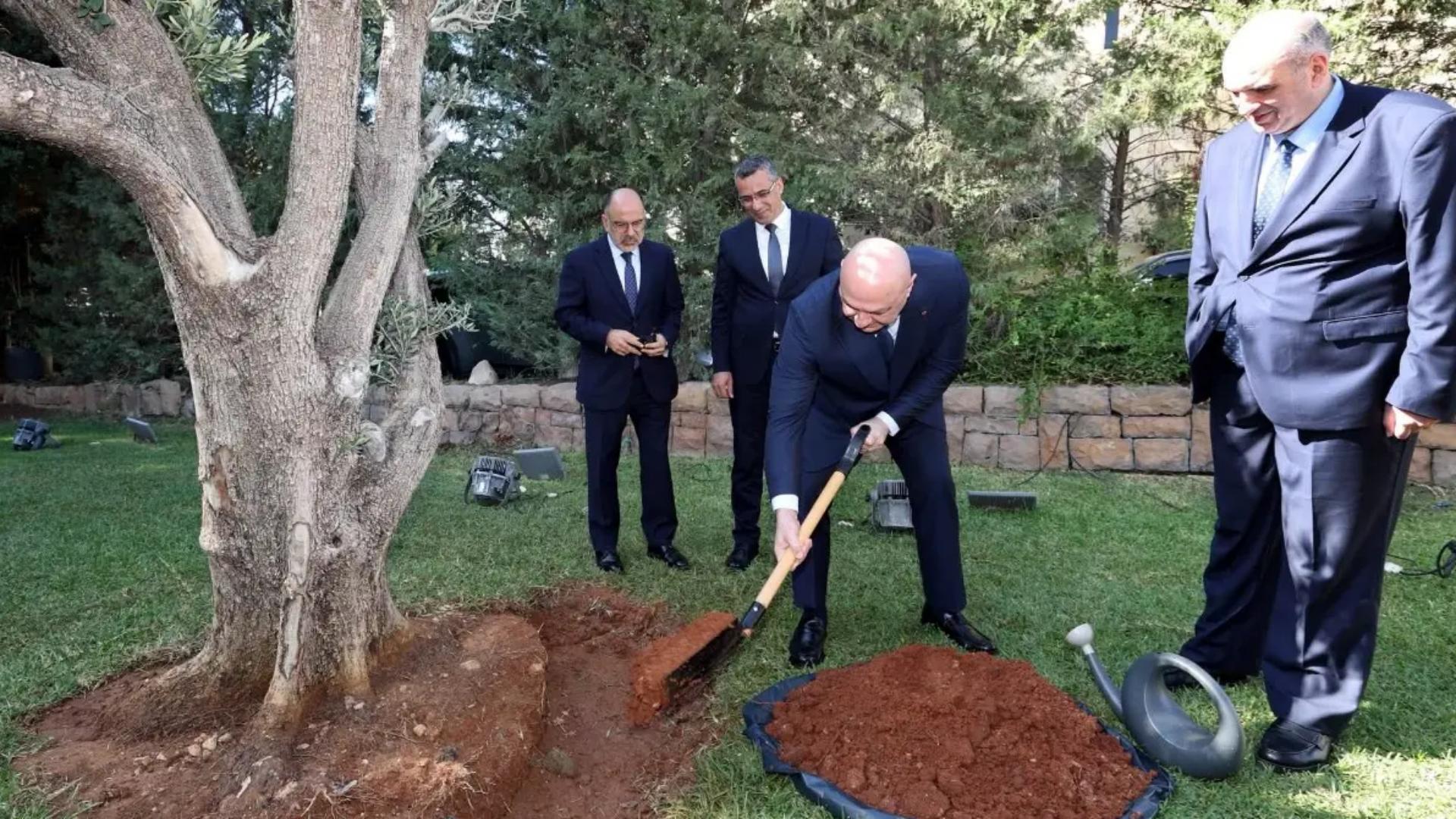
Lebanese President Joseph Aoun planted an olive tree at the Presidential Palace, describing it as a symbol of resilience and national identity while emphasizing the need for joint responsibility in its protection.

President of the Republic Joseph Aoun affirmed "the importance of the olive tree," noting that it is "Lebanon's green memory, a living witness to our history, and a fundamental pillar of our national identity." He considered that it "has been linked to Lebanon's history for thousands of years, with scientific and historical data indicating deep roots for this tree in our land, the development of its cultivation, and its transfer across the Mediterranean basin. It constitutes in itself a symbol of resilience and a source of livelihood and income for families, farmers, and artisans in various Lebanese regions, from the North and Bekaa to the South and Mount Lebanon."
During his reception of Minister of Agriculture Nizar Hani, accompanied by the Ministry's Director General Louis Lahoud, in the garden of the Presidential Palace, he stressed that "the olive tree is a symbol of peace and hope; it is an ambassador of our authenticity and a bridge uniting the children of the land around values of steadfastness, work, and dignified living." He called for "making its protection a shared national responsibility requiring support for farmers, updating production and manufacturing methods, and adhering to quality standards so that Lebanese olives remain capable of competition and resilience," directing "a tribute to every female and male farmer who guards this land and keeps the olive tree standing tall despite all difficulties."
For his part, Hani said: "On the occasion of 'World Olive Tree Day,' we planted this tree in the garden of the Presidential Palace given the meanings it carries as a symbol of peace, wisdom, resilience, and harmony across civilizations, particularly in the Mediterranean basin. It is also considered one of the basic pillars of food systems in Lebanon and Mediterranean countries."
He addressed President Aoun saying: "We look forward to working with you to restore all agricultural lands damaged by Israeli aggression, returning them to their former glory of recovery, and replanting all trees that were destroyed."
Hani added: "On this occasion, we inform you that Lebanon has submitted its candidacy for the presidency of the International Olive Council at the conference to be held in Marrakesh. We look forward to being elected there on December 2 next for a two-year term, as we are members of it and held the vice-presidency position during the last cycle."
Hani reassured President Aoun that "laboratory tests conducted on olive trees planted in areas subjected to Israeli attacks in the south proved they are sound and did not suffer damage due to the war, enjoying high crop quality."
President Aoun responded, thanking Hani for his efforts and wishing Lebanon success in winning the presidency of the International Olive Council, affirming that "with your presence, the ministry has moved to a new phase. We are following your activities and the implementation of the projects you are undertaking, and we congratulate you on the strategy you previously established and are carefully continuing to implement."
Latest news
Aoun briefed on results of foreign minister's visits to four countries and Europe
From Aita Al-Fakhar to Ain Al-Mzarab: UK Bolsters Lebanese Army Capabilities on the Lebanese-Syrian Border
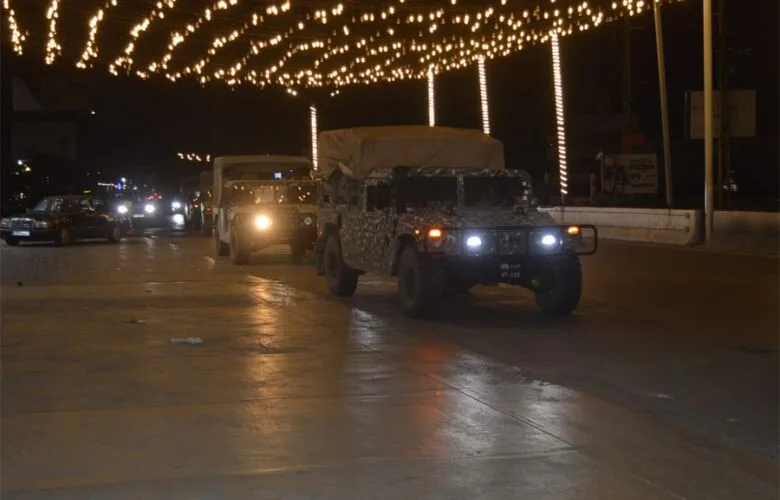
Security Measures to Accompany Holidays, Enhance Stability, and Control Borders