

Lebanon
Beirut Weighs 500-Strong Monitoring Force to Replace UNIFIL
US envoy Mike Waltz urges Hezbollah to disarm voluntarily as Beirut considers a proposed international monitoring force of up to 500 personnel to replace UNIFIL in southern Lebanon.

During his visit to Beirut, US Ambassador to the United Nations Mike Waltz called on Hezbollah to voluntarily relinquish its weapons, coinciding with discussions on a US-European proposal to establish an international monitoring force in southern Lebanon after the conclusion of the "UNIFIL" mission.
Salah Salam, editor-in-chief of "Al-Liwa" newspaper, stated that the proposed force could include up to 500 personnel, with its mission limited to monitoring movements on both sides of the border with Israel.
In an interview with "Sky News Arabia," Salam noted that Waltz's call for voluntary disarmament represents a shift in US rhetoric compared to statements by previous envoys regarding the disarmament of Hezbollah.
He pointed out that Waltz did not mention the use of force, considering this phrasing reflects American understanding of the complexities of the Lebanese situation. He added that Washington previously opposed deploying a replacement force after the end of the "UNIFIL" mission.
Border monitoring without military intervention
Salam clarified that the proposal presented to the Lebanese side involves deploying military experts who move along the border and monitor movements on both sides.
He said the idea is based on the monitoring mechanism stipulated in the armistice agreement between Lebanon and Israel, and that the proposed force will document what happens at the border without undertaking combat missions.
He added that the proposal pays special attention to the Lebanese side, fearing that Hezbollah might rebuild its military facilities near the border. He compared the proposed force, which he said would not exceed 500 personnel, with "UNIFIL," whose strength reached 15,000 troops, according to him.
He believed that agreeing on the size of the force is easier than defining its powers, working mechanism, and the necessary guarantees to protect its personnel while performing their duties.
Salam considered that "UNIFIL," despite being reinforced under Security Council Resolution 1701 after the 2006 war, failed to prevent Hezbollah from establishing military facilities in the south, nor to stop Israeli attacks on its areas.
He viewed its role as practically limited to monitoring, raising questions about the ability of the proposed force to perform its mission within limited powers.
He indicated that "UNIFIL" patrols faced protests from residents whom he said Hezbollah supported, which, according to his account, hindered their movements to verify the existence of military sites or weapon depots.
He said that how the new force handles any similar obstruction remains under discussion, alongside the issue of protecting its personnel and ensuring their freedom of movement.
Hezbollah's weapons and the negotiation track with Iran
Regarding the weapons file, Salam believes that Hezbollah's decision is linked to Tehran, and that attempting to disarm it by force could lead to internal conflict that Lebanon cannot afford to bear the consequences of.
He urged Beirut to discuss the file directly with Iran, within a broader regional settlement that also addresses the Houthi weapons in Yemen and armed factions linked to Tehran in Iraq.
Salam based his reading on Hezbollah's participation in fighting in support of Gaza, then in confrontations related to Iran. He warned that resuming the US-Israeli war against Iran could push the party to re-engage in fighting, exposing southern Lebanon to further destruction.
Waltz's visit comes as Lebanon insists on the continuation of "UNIFIL," while Washington and Tel Aviv reject the continuation of its mission in its current form. While discussions continue regarding the powers of the proposed force and work guarantees, restricting weapons to state hands remains a separate path, which Salam believes requires political negotiation beyond border monitoring arrangements.
Latest news
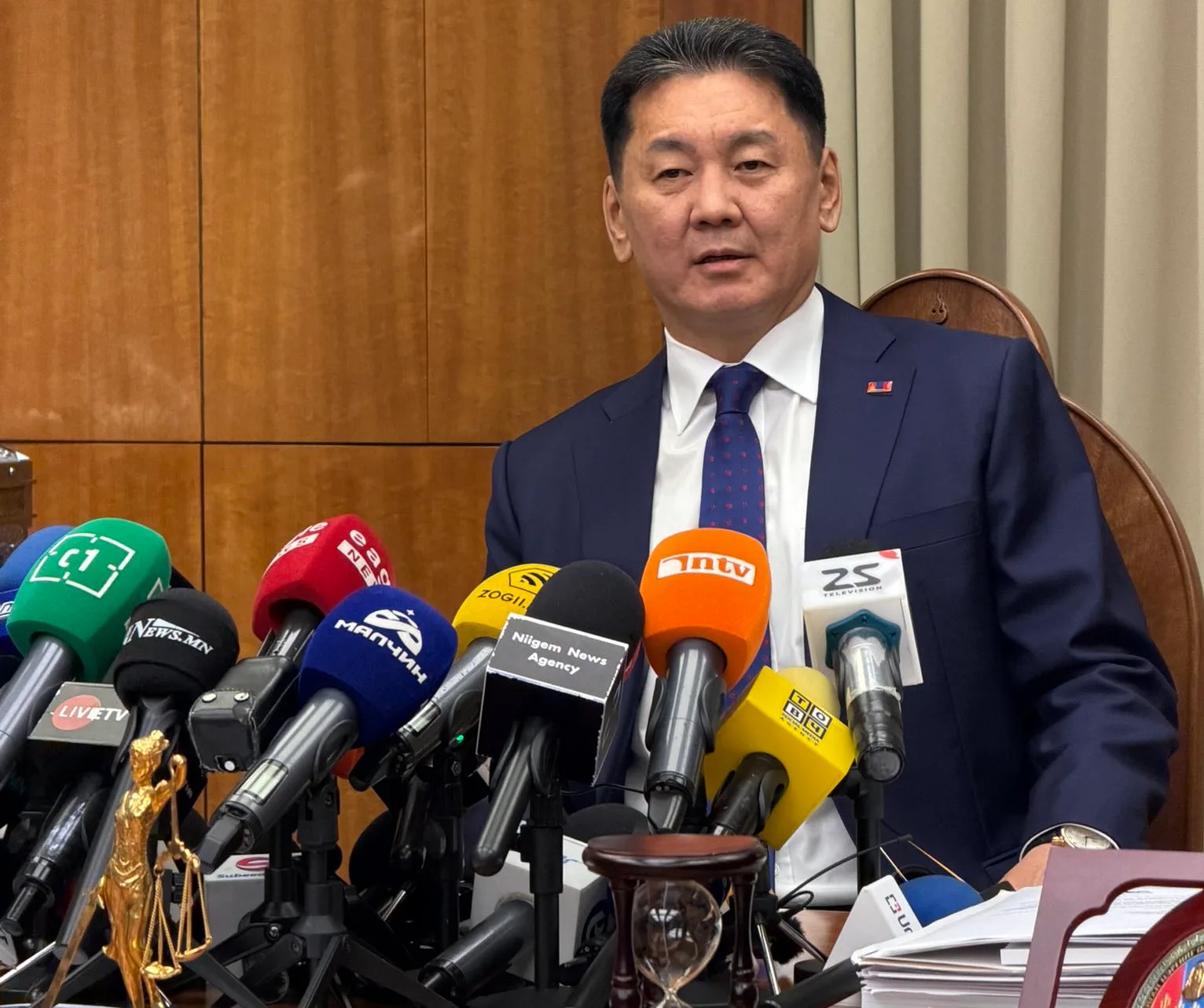
Mongolian President Announces Resignation Following Corruption Allegations in Railway Project

Iranian Army: Hormuz Will Not Be Opened Unless America Accepts Our Seven Conditions

Leaks Suggest iPhone 20 Pro Will Merge X and Air Aesthetics
