Lebanon
Finance Minister: Lebanon Faces a Precious International Opportunity Requiring Banking Reform Approval
Lebanese Finance Minister Yassine Jaber highlights a critical international opportunity following IMF and World Bank meetings, urging the immediate passage of banking reforms and the financial gap law to secure economic recovery.

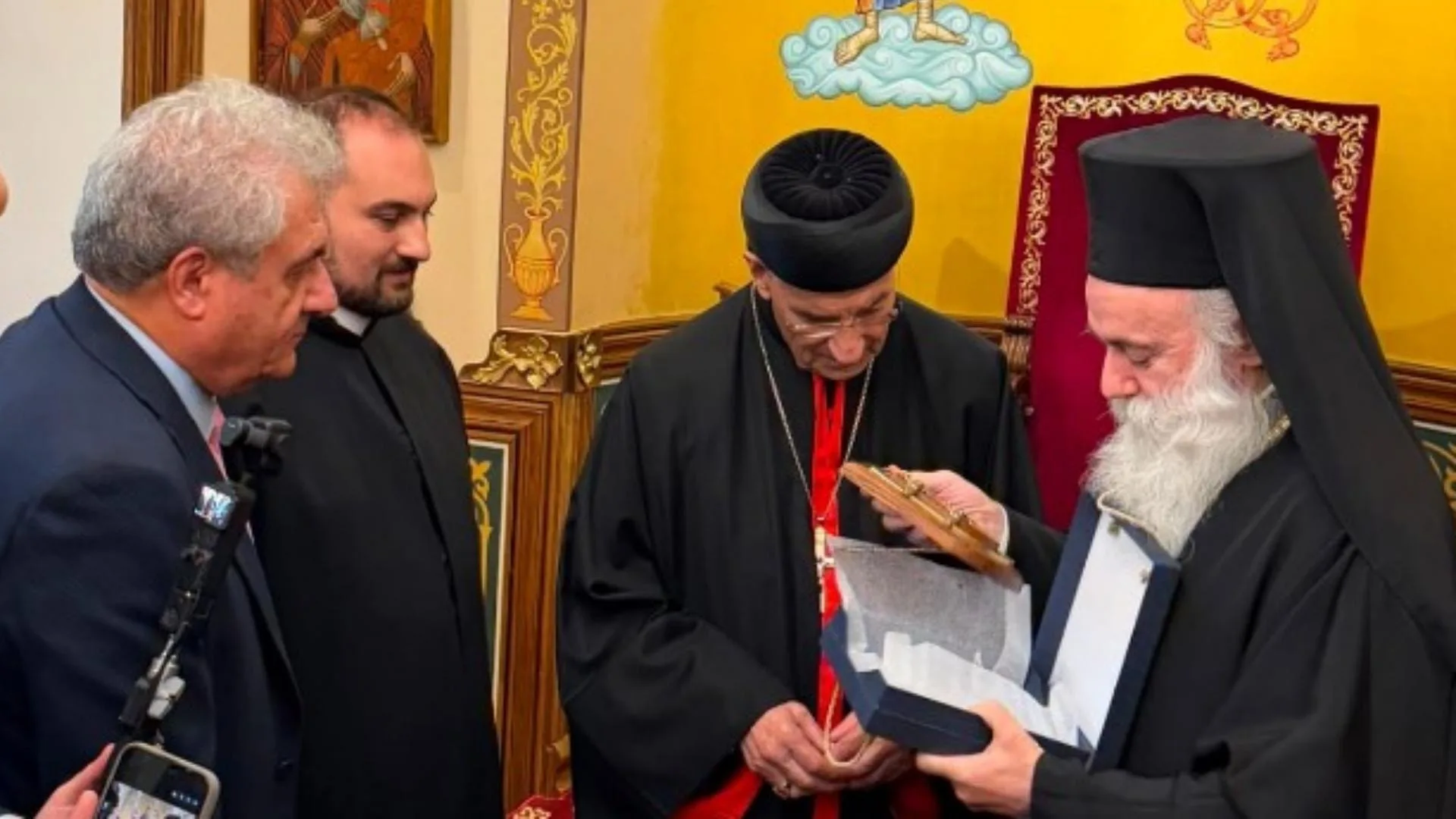
Finance Minister Yassine Jaber affirmed that "Lebanon faces a precious opportunity that must not be missed, in light of the international interest witnessed by the Lebanese delegation during the IMF and World Bank meetings in Bangkok," stressing that "translating this positive climate requires completing reforms, foremost among them being banking reform and the approval of the financial gap law."
Jaber's statement came in an exclusive interview with "Voice of Finance," the official digital platform of the Ministry of Finance, after the return of the Lebanese delegation he led from the meetings, where he outlined the outcomes of the encounters and the priorities for the next phase.
He clarified that "the delegation felt significant responsiveness and interest from the IMF, the World Bank, and European partners, reflected in public positions and bilateral meetings." He viewed that "the progress Lebanon has made on the reform path encouraged international entities to strengthen their interest, having sensed a clear will to proceed with reform in various fields."
Jaber emphasized that "preserving this opportunity calls for additional effort and cooperation between the government, parliament, and all stakeholders," noting "the participation of the Governor of the Central Bank of Lebanon in the meetings and the efforts he is making regarding the banking file."
In defining the nature of the required steps, he explained that "dialogue with the IMF continues weekly for long hours, aiming to reach a full understanding on reform measures."
He called for "a joint workshop between the government and parliament to approve the financial gap law," confirming that "Lebanon cannot move forward without effective banks that adhere to international standards and laws, and restore their role in lending, financing institutions, and facilitating commercial activity."
He added: "That continuing reliance on the cash economy does not align with international trends, and that restoring economic growth is linked to the return of the banking sector to performing its basic functions."
Regarding the impact of the appeal filed by the President of the Republic on the path of the bank restructuring law, Jaber noted that "its consideration is subject to a specific deadline before the Constitutional Council," clarifying that "there is a thirty-day period during which the matter must be decided, and it will not remain open for months." He pointed out that "the draft financial gap law is now in parliament, where parliamentary committees will delve into studying it, data upon which we rely to move forward with banking reform."
Concerning cooperation with the World Bank, Jaber described the relationship as excellent, noting that "discussions covered various projects funded by the bank, its follow-up on implementation, and its oversight of tenders and transparency."
He paused at the role played by the World Bank in promoting communication and openness between regional countries, particularly Lebanon, Syria, and Iraq, through developing connection lines, railways, and highways, and facilitating the movement of goods and people. He indicated that "this trend receives special attention from the World Bank Group president, who stressed it during his meeting with Arab finance ministers."
Jaber quoted the Managing Director of the IMF as stating that "this openness can achieve additional growth of no less than two percent in GDP for each of these countries, enhancing the mutual benefit of regional cooperation."
In response to a question about the possibility of translating these projects amidst security challenges, Jaber affirmed the "necessity of proceeding in parallel on the paths of achieving security and stability and economic revival," pointing to "the efforts being made by the President of the Republic, the Prime Minister, and the Speaker of Parliament to address political issues and support the army."
In this context, he noted the visit of the Qatari Prime Minister to Lebanon and his confirmation of continued support for the army, alongside the Qatari message supporting various Lebanese sectors, especially the electricity sector.
He concluded by affirming that "preparation for the future must continue in parallel with work to achieve security and stability," stressing the "necessity of developing the economy and enhancing Lebanon's openness and relations with its surroundings, so that it is capable of seizing available opportunities."
Latest news
Peace and Arno Discuss the Situation in South Lebanon and the Post-UNIFIL Phase
In Lebanon: Anger and Protests Erupt in Prisons!
Aoun: Strict Enforcement of Laws, Ban on Armed Displays, and Confiscation of Weapons