Lebanon
Free Cancer Vaccine Coming Soon: Ministry of Health Launches Maternal Mortality Report and Reproductive Health Algorithms
Lebanon's Ministry of Health, in partnership with UNFPA, released the 2025 National Maternal Mortality Report showing a record low rate, alongside new reproductive health algorithms and announced free HPV vaccinations starting next year.

The Ministry of Public Health - Primary Healthcare Department, in partnership with the United Nations Population Fund (UNFPA), under the patronage of Minister Rakan Nasreddine, launched three documents in the field of maternal and sexual and reproductive health. These include the 2025 National Maternal Mortality Rate Report, which recorded 14.9 deaths per 100,000 live births; the National Sexual and Reproductive Health Algorithms; and the Special Guidelines Protocol for Sexually Transmitted Infections.
Attending the event were Anandita Philipose, Representative of the United Nations Population Fund (UNFPA) in Lebanon; Yutaro Setoya, Deputy Representative of the World Health Organization in Lebanon; Dr. Faisal Al-Qaq, Head of the National Committee for Maternal Safety; and a gathering of experts, specialists, and representatives of relevant civil society associations.
The Minister of Health emphasized "the importance of these reports and documents in helping the Ministry define its strategic plans and direct its health interventions, while enhancing prevention and early diagnosis." He considered that "the indicators included in the maternal mortality report are positive," clarifying that "the mortality rate among Lebanese mothers reached 8 per 100,000 live births, a figure lower than rates recorded in several developed countries, where it stands at approximately 10 deaths per 100,000 live births. However, the overall rate rose to about 14 per 100,000 live births when including non-Lebanese residents in Lebanon."
He stressed that "humanitarian motivation constitutes the primary incentive to continue working on improving and reducing these indicators in the coming phase."
He also highlighted the importance of the protocol for sexually transmitted infections, noting that "the Ministry is working in cooperation with civil society associations to enhance awareness and prevention in this field," reminding attendees of "the announcement making the Human Papillomavirus (HPV) vaccine available at the beginning of next year at the Ministry's expense."
He affirmed that "these steps stem from an ethical commitment towards the Lebanese people, particularly women, and aim to protect future generations," expressing hope that "prevention efforts will contribute to reducing cervical cancer incidence rates in the future, thereby limiting the need for advanced treatments and their high costs, and directing resources toward investing in and strengthening prevention."
For his part, the Head of the National Committee for Maternal Safety presented a technical overview of the 2025 Maternal Mortality Rate Report, explaining that "the recorded rate, standing at 14.9 deaths per 100,000 live births, is the lowest in the registry to date, despite a decline in birth rates in Lebanon." He confirmed that "the decrease in maternal deaths represents one of the most prominent success stories of the health sector in Lebanon."
He pointed out "the continued existence of a gap in indicators between Lebanese mothers and mothers residing in Lebanon, particularly Syrians," attributing this to "irregularity in healthcare follow-up during pregnancy, especially non-compliance with the essential first prenatal visit."
The meeting began with a speech by Dr. Randa Hamadeh, Head of the Primary Healthcare Department at the Ministry of Public Health, who clarified that "the 2025 Maternal Mortality Report allows for a more accurate reading of the health reality, helps identify gaps, and directs efforts toward priorities." She emphasized that "behind every number lies a story, and behind every preventable death lies a responsibility that calls for review, learning, and better action."
She indicated that "the sexual and reproductive health algorithms and the sexually transmitted infection protocol constitute a unified practical reference for healthcare providers, helping them make appropriate decisions and enhancing the quality of health services wherever they are delivered."
Anandita Philipose noted that "the three documents reflect an ethical commitment towards women and the development of health attention to them, as these updated frameworks aim to enhance the quality, accessibility, and delivery of sexual and reproductive health services across Lebanese territories."
Additionally, two technical presentations were given: the first by Dr. Mona Othman on sexual and reproductive health algorithms, and the second by Dr. Suha Kanj on the sexually transmitted infection protocol.
Latest news

Internal Security Forces Arrest Syrian Suspect for Drug Trafficking in Kafrhabab

Lebanon Discusses Electricity Financing and Port Expansion with European Bank Within Economic Recovery Path
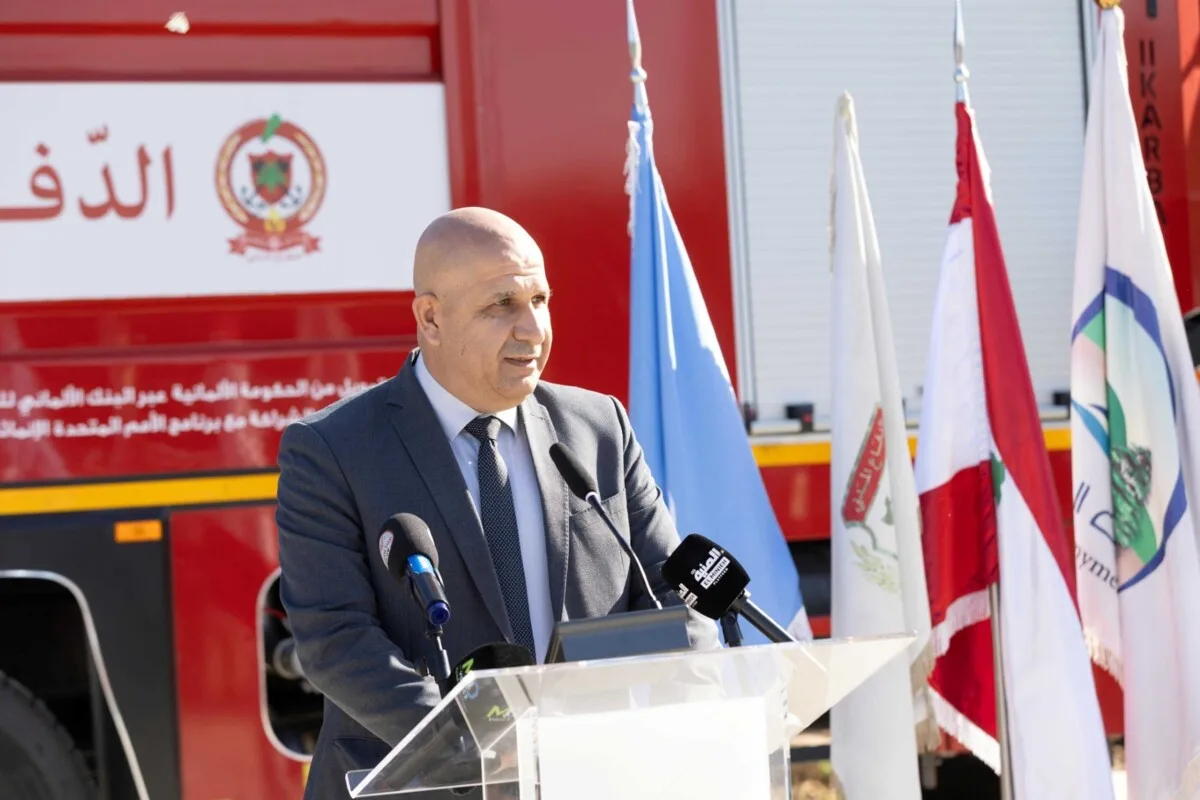
Civil Defense Center Opens in Miniyeh with German Funding and UN Service