·
·


Lebanon
Lebanese Finance Minister Yassin Jaber led a meeting with World Bank officials to discuss enhancing Lebanon's regional role in transport, trade, and energy sectors.

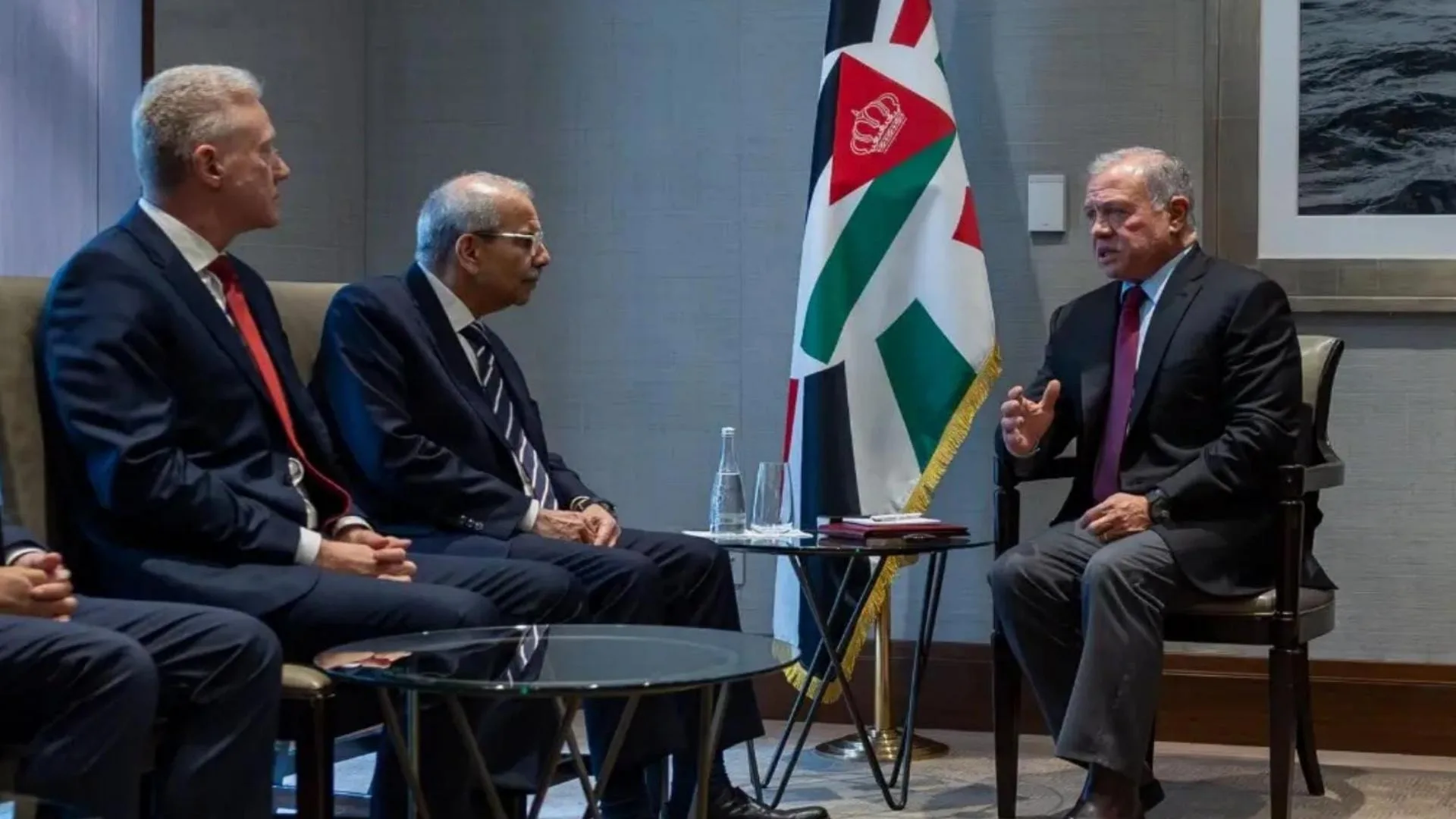
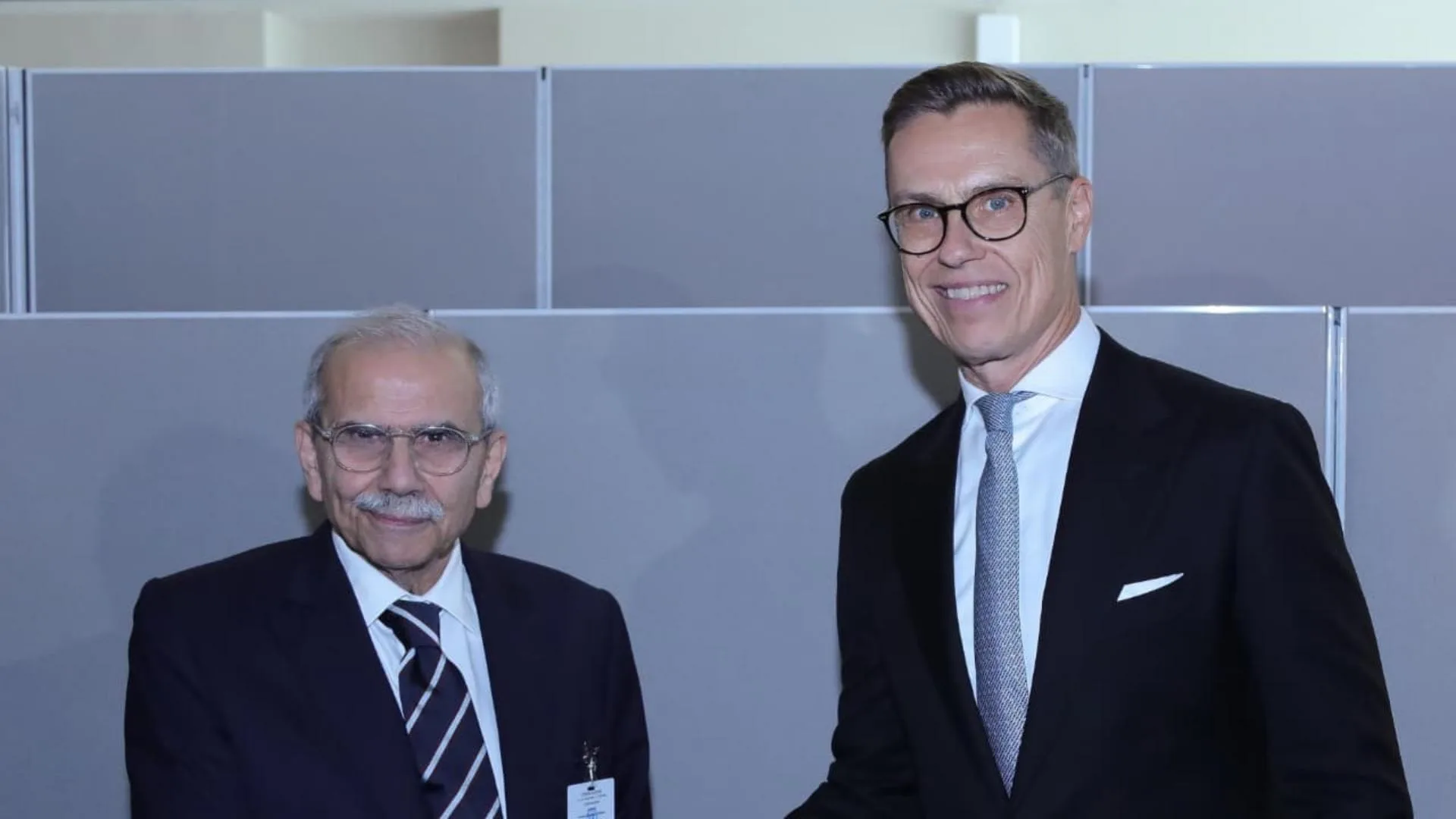
Finance Minister Yassin Jaber chaired a working meeting focused on examining ways to strengthen regional integration in Lebanon's transport, trade, and energy sectors. The session included a delegation from the World Bank, featuring Beirut office director Enrique Blanco Armas, Mira Murad, Zeina Khoury, Yan Chaouli, Mohamed Qamh, Gayel Samaha, and Prime Minister’s advisor Sate’ Arnout.
Also present were Brigadier General Misbah Khalil, head of the Supreme Customs Council, council members Louay Al-Hajj Shehadeh and Charbel Khalil, Customs Director General Gracia Al-Qazzi, and financial ministry advisors Brigadier General Abdul-Muttalib Al-Hanawi, Claudine Karki, Zeina Qassem, and Abbas Taher.
The attendees reviewed a technical assistance program aimed at enhancing Lebanon's regional integration in transport, trade, and energy sectors. They evaluated available opportunities and necessary reforms to support this objective.
Within this framework, the World Bank team presented their proposed approach, which includes studying the current status of transport, trade, energy, natural gas, oil infrastructure, and digital transformation to identify priorities and future needs.
Following the meeting, Minister Jaber stated, "This meeting was dedicated to discussing a study prepared by the World Bank at the Lebanese government's request regarding how to improve communication and trade exchange between Lebanon and its neighboring Arab countries."
He added, "This topic gains special importance, especially in light of recent developments concerning the Strait of Hormuz and the ability of many countries to export. The significance lies in maintaining connectivity between Eastern Mediterranean countries and the Arab hinterland such as Syria, Iraq, and Jordan. This comes at a time when Saudi Arabia has kindly reopened the avenue for exporting Lebanese goods to Saudi markets."
Jaber emphasized that "Lebanon is therefore called upon to enhance border crossings by improving performance and installing modern devices such as scanners to enforce strict control over exports. Furthermore, coordination between Lebanese and Saudi customs is necessary through stringent procedures that require sending scanner images of container contents to Saudi customs."
He pointed out that "Lebanon is currently studying how to initiate the construction of a railway along the Hejaz route connecting Jordan, Syria, and Turkey, linking it through a tunnel between Beirut port and the Lebanese interior in the Bekaa Valley. Other projects under study with World Bank involvement aim to coordinate connectivity between Lebanon and surrounding countries to facilitate trade, energy exchange, electricity procurement from neighboring states, and the reactivation of oil pipelines reaching the Mediterranean coast from Lebanon."
Jaber noted that "the study will be comprehensive and ready within the coming months, coordinated with Lebanese authorities, customs, the ministries of public works, energy, economy, and industry. It will integrate considerations regarding Lebanon's trade agreements with the world and how to activate them in the future."
Responding to several questions, Jaber highlighted "the importance of the World Bank’s work in Lebanon, Syria, Iraq, and the Gulf region and its awareness of projects that would benefit connectivity improvements. We are working for Lebanon to regain its role as an active hub for transit and exchange."
He stressed "the significance of regional linkage amid the ongoing changes in the region, emphasizing the need to develop ports and border crossings, modernize customs administration, and accelerate digital transformation to strengthen Lebanon’s position as a center for trade and logistics services." He considered the meeting "an important step toward enhancing cooperation between Lebanon and the World Bank to support regional integration and stimulate economic growth."