Lebanon
Marqos: Ongoing and Intensive Efforts by Aoun and Salam in International Forums to Free Lebanese Territory
Lebanese Minister of Media Paul Marqos emphasized sustained and intense international efforts led by President Joseph Aoun and Prime Minister Najib Salam to liberate Lebanese lands, highlighting recent activities in New York. He stressed the need for national unity and media responsibility in countering hate speech.

Minister of Media Paul Marqos stated that "due to the bleeding wounds in the south, Israeli attacks, and ongoing Israeli occupation, official efforts led by President Joseph Aoun and Prime Minister Najib Salam continue intensively in international forums to free Lebanese territory, as you witnessed in New York during recent official meetings."
Speaking during the Ministry of Media's event titled "Message of Peace: Song and Painting" at the "Cultural Salon" on "Radio Lebanon," he noted that "national joy remains incomplete until achieving fixed goals—returning residents, rebuilding villages, and completing the liberation of detainees."
He explained that "the media discourse of the Ministry of Media is rooted in a language of national and civic unity, aiming to reduce hate speech and media misinformation, staying clear of individual religious narratives."
Minister Marqos clarified that the new Lebanese Media Law "includes, for the first time, explicit provisions addressing the fight against hate speech, verbal and moral incitement, discrimination, and incitement to sectarian strife, with clear criteria for judicial action through Article 104 (Paragraph A), which criminalizes using publishing media to incite sectarian conflict or violence against individuals or groups based on their ethnic, religious, sectarian, racial, or gender identity."
He added that "determining incitement does not rely solely on the spread or circulation of speech, but also considers the social and political context, the speaker’s status and audience reach, intent behind incitement, along with the content, form, style of speech, its extent of dissemination, and likelihood of causing harm or actual actions against the targeted individuals or group."
He warned of the dangers of social emotional reactions and tensions during wars and crises, stressing they "could fuel divisions even more dangerous and destructive to society than external aggression itself."
He pointed out that the Ministry of Media, "despite lacking direct legal authority over social media platforms, fulfills its national, ethical, and literary responsibilities by launching intensive awareness campaigns in cooperation with international organizations (such as UNESCO, the United Nations Development Programme, UNIFIL, and the Red Cross) and relevant ministries—without imposing any financial burden on the public treasury."
He concluded by noting "broadcasting around 15 awareness videos urging digital global citizens to adhere to the slogan 'Differ with love, disagree without conflict,' respecting others' dignity, freedoms, sacred symbols, rituals, family privacy, and more," emphasizing that "awareness campaigns have made progress, yet further work is needed, so we remain committed to our mission," underlining that "sound opinion arises from logic, respect, recognition of others, and refraining from hatred," and calling for "keeping digital platforms spaces for social interaction and communication, not turning them into battlefronts."
Latest news
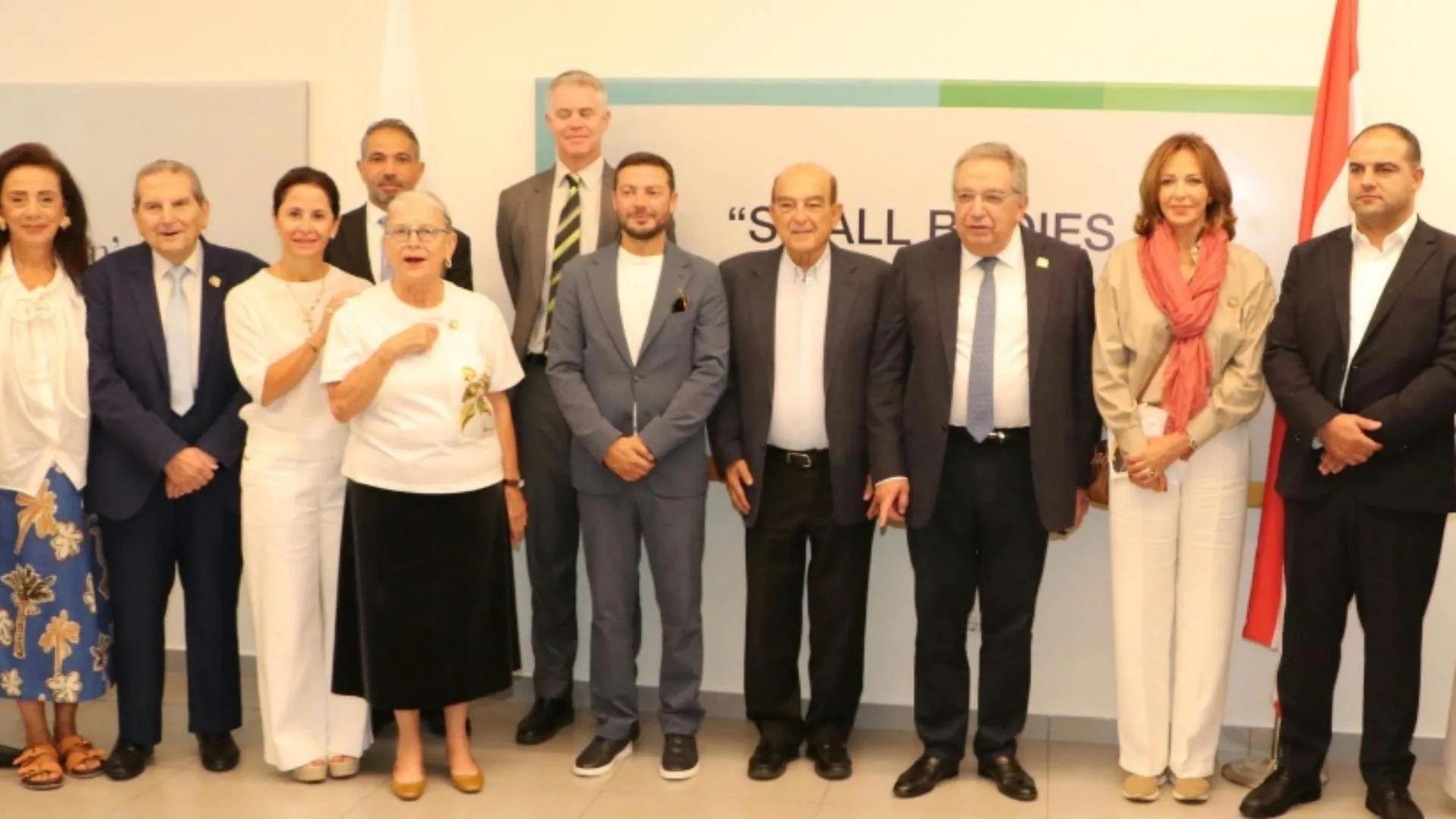
Ministry of Health Launches National Awareness Initiative on Childhood Cancer
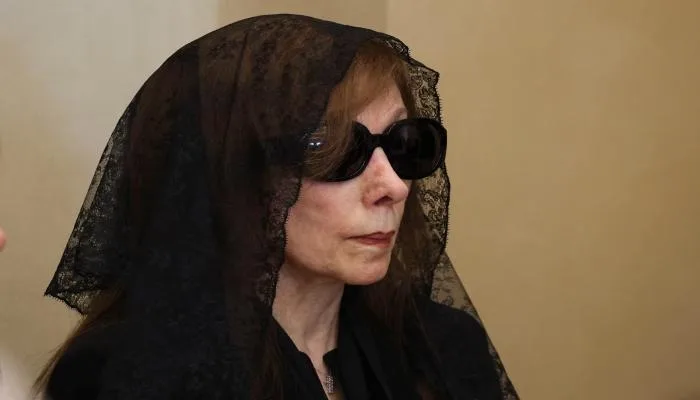
A Photo of Fairuz Sparks Controversy; Reema al-Rahbani Reveals the Details
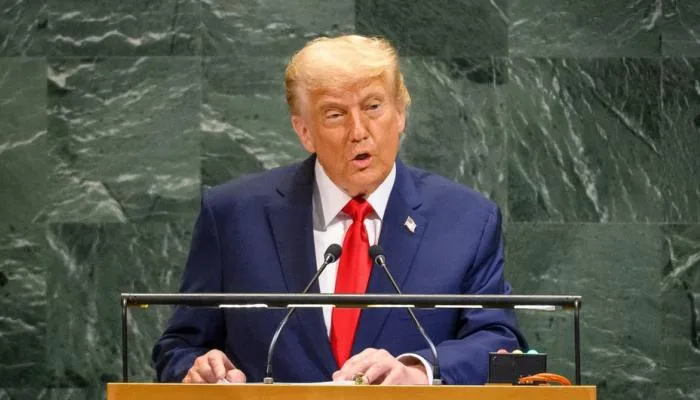
Trump Gives Iran Ultimatum: Deal or Hell... and Vows to End Ukraine War