Lebanon
Minister of Social Affairs Calls for Nationality Law and Electoral Quota for Women
Lebanese Minister of Social Affairs Haneen El-Sayed, representing Prime Minister Nawaf Salam, urged the adoption of a nationality law allowing women to pass citizenship to their children and an electoral quota for women.

Minister of Social Affairs Haneen El-Sayed, representing Prime Minister Dr. Nawaf Salam, participated in the second annual conference of the Feminist Platform in Lebanon titled "From Demands to Commitments: Enhancing Justice and Protection for Women and Girls." She stated: "I would like, from the outset, to convey a practical commitment from the President of the Council of Ministers, consistent with what we pledged in our ministerial statement: that the Presidency of the Council of Ministers, in coordination with the National Commission for Lebanese Women, will identify concrete executive procedures committed to by relevant ministries within their respective jurisdictions to translate the priorities of the National Strategy for Women into practical steps, with periodic monitoring of progress. We do not need more strategies as much as we need to ensure the implementation of what we have already adopted. This is the true meaning of moving from demands to commitments."
She added: "Lebanon has a long history of feminist struggle, during which generations of women contributed to building this nation and securing rights, many of whom are present among us today. However, after more than seventy years since Lebanese women obtained their political rights, we are still discussing fundamental rights that should have been settled long ago. Here lies our responsibility as a state. Therefore, I wish to pause at three interconnected responsibilities: achieving equality before the law, entrenching it in people's lives, and transforming our commitments into results for which we can be held accountable."
She continued: "First: Equality before the law. Allow me to begin with a paradox I personally experience. Today, I am here representing the Prime Minister of Lebanon, participating from my ministerial position in decisions regarding the future of this country. Yet, Lebanese law does not allow me, as a Lebanese mother, to grant my daughter Maryam the nationality of my homeland. How can a woman be a partner in governing her country but not a full partner in transmitting belonging to it?"
She said: "What I want for my daughter is what I want for all sons and daughters of Lebanese mothers: equality before the law, without discrimination. The reception of Prime Minister Nawaf Salam, days ago, of a delegation from the 'My Nationality is My Dignity' campaign provided an opportunity to renew the discussion on this right, which the National Commission for Lebanese Women and civil society associations have long defended."
She continued: "A child must not be deprived of her childhood to enter the world of marriage, nor should her protection vary according to her sect. For this reason, we support the enactment of a law setting the age of marriage at eighteen years, without exceptions, alongside addressing discrimination in personal status laws, opening up serious discussion on a civil law, and reviewing Lebanon's reservations to the Convention on the Elimination of All Forms of Discrimination Against Women. Violence against women and children is no longer confined to the home or workplace; it has extended into digital space, with new forms of blackmail, threats, and privacy violations. Hence, we emphasize the importance of enacting specialized legislation for protection against digital violence."
She said: "Second: Equality in reality, not just in texts. Even when laws are fair, equality remains elusive if social and institutional practices continue to perpetuate discrimination. Lebanese women have proven their competence in various fields, yet their presence in decision-making positions remains far below the scale of their contribution. In some parties, women constitute up to 58% of members, while they account for no more than 5% in leadership positions, and represent only 15% of candidates on electoral lists. Why do we continue demanding that women prove their capabilities while failing to provide them with equal opportunities to exercise them? From here comes the support of Prime Minister Nawaf Salam for adopting a quota of no less than 30% for women on electoral lists."
She added: "In the Ministry of Social Affairs, women make up more than 80% of employees and are the backbone of our services. Today, I proudly say that one of the first steps I took upon assuming my responsibilities was seeking female competencies in the second and third categories and working to promote them to leadership positions. The greatest paradox appears in education and the labor market. In 2021, women constituted 70% of total students enrolled in the Lebanese University across all its branches. But in 2023, women's participation in the workforce did not exceed 22%, compared to 67% for men, according to the World Bank."
She continued: "How do we explain that women advance in education, then retreat so significantly in the labor market? A fundamental part of this gap stems from the family care burdens borne by women. Therefore, economic empowerment cannot be achieved without investing in the care economy, developing supportive services for families, and leveraging the amendments to the Labor Law for 2025 related to flexible work. This is what we are working to support in the Ministry of Social Affairs through economic inclusion programs and job opportunities."
She said: "Third: From commitments to implementation and accountability. Here, I return to the title of our conference today. The Lebanese feminist movement has not fallen short in identifying demands. It is time to move from asking civil society what it demands, to asking the state what it has accomplished and what it will do next. We have today the National Strategy for Women 2022–2030, developed by the National Commission for Lebanese Women, and the requirement is to translate it into government actions and tangible results."
She added: "The launch of the national platform on violence against women and girls, on December 10th next, in cooperation with the United Nations Population Fund, is an important step for collecting data and providing information on protection services, supporting the formulation of policies responsive to the needs of women and girls. But our responsibility does not end with launching strategies and platforms; it begins with following up on their implementation. I extend a special greeting to the Feminist Platform, associations, and activists who have continued this struggle over the years, and to UN Women."
She concluded: "On this International Day for the Elimination of Violence Against Women, I affirm from this podium that we will work so that every girl lives her childhood free from early marriage, and so that every Lebanese mother enjoys her right to grant her nationality to her children. We will work for fair opportunities for women, including women with disabilities, and actual protection from violence and discrimination. When we meet again, we want to be held accountable for what we have achieved, not applauded for what we promised."
Latest news
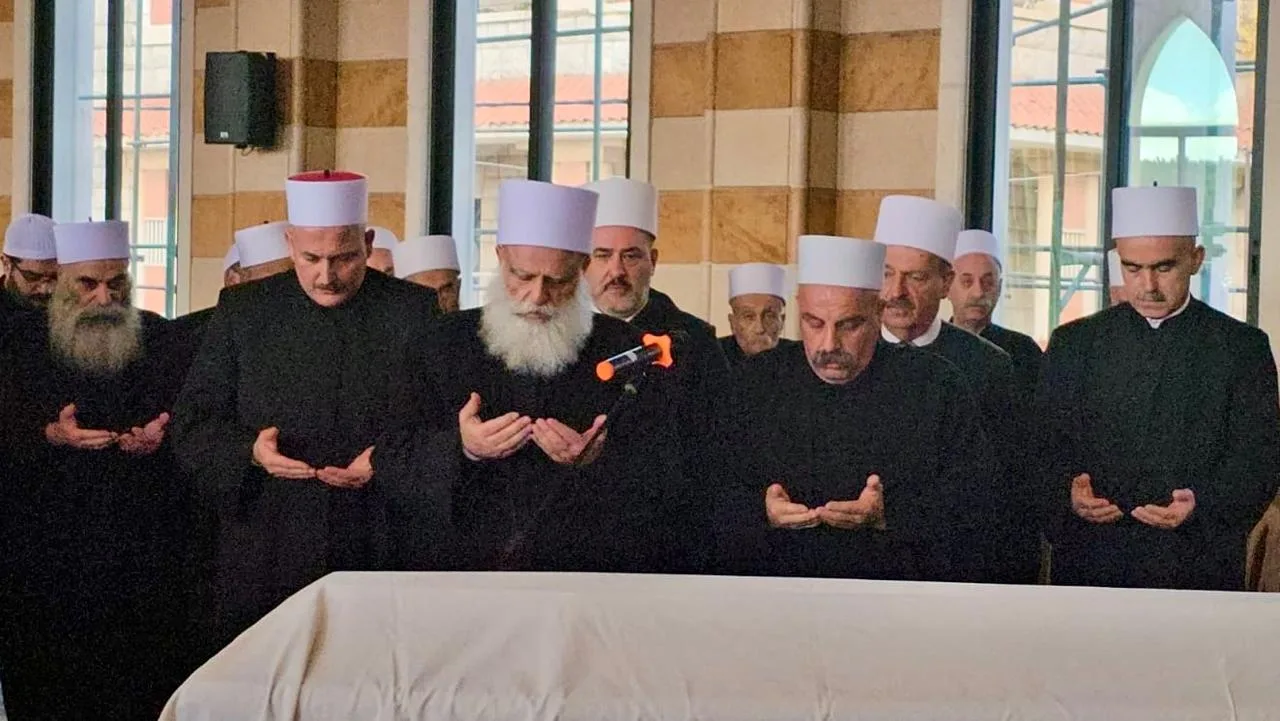
Sheikh al-Aql at Judge Al-Awar's Funeral: Among the Elders Who Reject Any Deviation from Arab Eastern National Identity
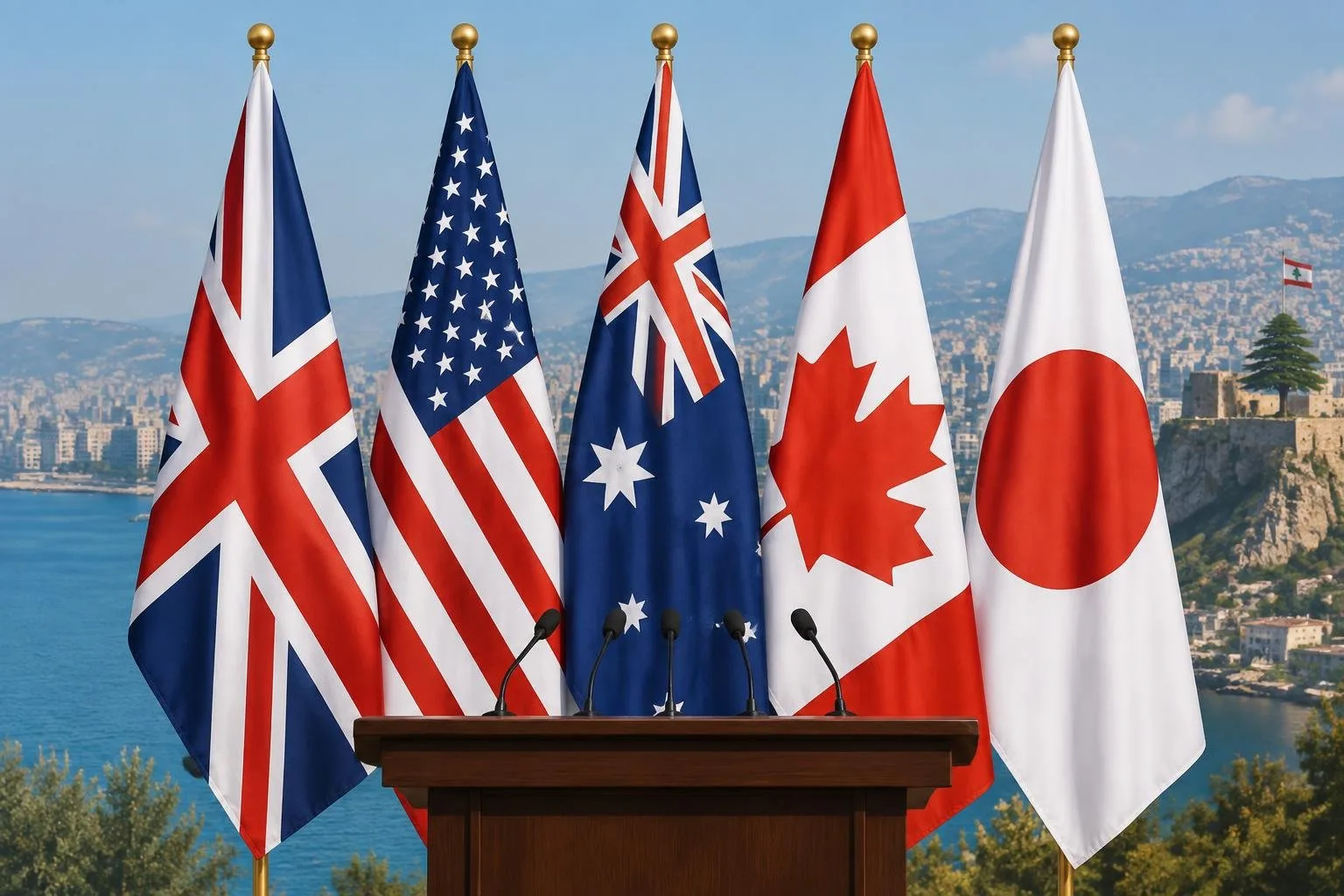
Joint Statement by Five Embassies... What Is the Connection to the Zaarour Case?

Swift’s Legal Team Demands Dismissal of California Venue in Showgirl Suit