Lebanon
U.S. Ambassador's Tour in Southern Lebanon
U.S. Ambassador Michel Aoun visited western Zawtah and the Qaqaqiyah bridge in southern Lebanon, marking the first visit by an American envoy to the region since the 2006 war. The tour highlighted ongoing Israeli military presence and destruction.
The U.S. ambassador in Beirut, Michel Aoun, toured the western town of Zawtah and the newly constructed Qaqaqiyah bridge during a visit that marked the first by an American envoy to this area since the 2006 war, accompanied by a delegation from the "Council for Development and Reconstruction".
His first stop was the Church of the Annunciation in the western town of Zawtah, where he was met with heightened security measures implemented by units from the Anti-Terrorism Battalion of the Lebanese Army and the embassy guard.
After touring the church, which sustained damage from nearby Israeli airstrikes and shelling, he observed the eastern town of Zawtah—where Israeli occupation forces are stationed—from its entrance, noting their daily demolition and explosive activities on homes.
During the visit, military vehicles were seen moving within eastern Zawtah, while Israeli drones circled above the church as the ambassador was present.
Next, Aoun inspected the Qaqaqiyah bridge, destroyed during hostile military strikes, and monitored construction work on a temporary replacement bridge. He then returned to western Zawtah, visiting Mayor Abdel Aziz Azzedin at a temporary municipal headquarters established in a ready-made building after the original municipal building was destroyed by Israeli forces. After more than half an hour of discussion, Aoun departed the area.
Western Zawtah’s mayor, Aziz, stated: "I explained to Ambassador Aoun that we in Zawtah seek reassurance and are never at ease, living in a very small and narrow geographic zone, as certain neighborhoods remain inaccessible due to proximity to eastern Zawtah. I asked about reconstruction, and he replied, 'Inshallah, but not with a single click.' There was a promise to rebuild, though no specific timeline was provided."
He concluded: "I informed him about the condition of our town and neighboring areas—specifically the northern Litani region—and emphasized that our main access route runs through eastern Zawtah, which remains occupied, along with part of western Zawtah."
Latest news

United Back Carrick After Four-Point Start, Left-Back Gap Persists

America Under Attack from Within: China Developing Secret Digital Weapon
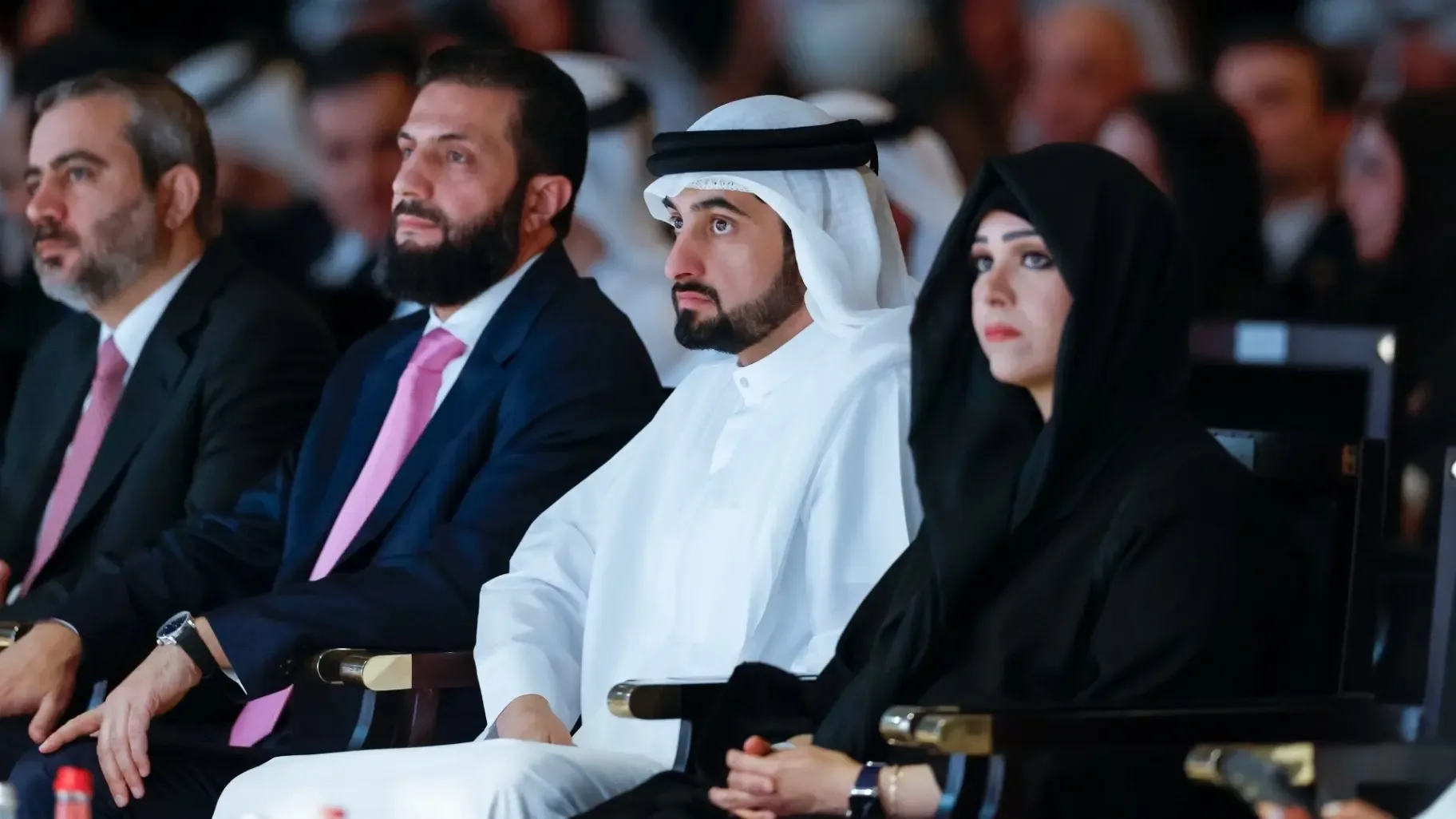
Ahmad bin Mohamed Attends Syrian President Al-Sharaa at the 2026 Arab Media Summit in Dubai