·
·

Lebanon
Banque du Liban affirmed its commitment to monetary stability, estimating the GDP at $33 billion by early 2024, driven by 3.8% growth by the end of 2025, with general and core inflation rates declining to 12.2% and 13.5% respectively. The central bank's updated macroeconomic review aligns with IMF estimates, while concerns about continued economic contraction and war-related pressures persist.
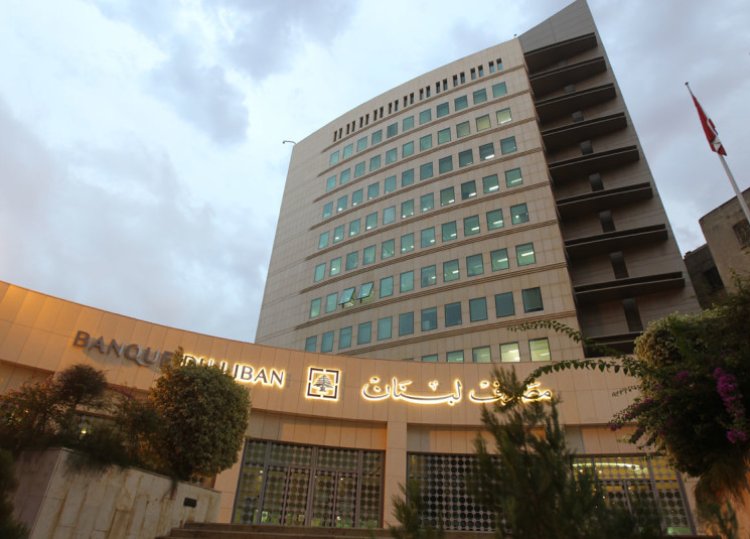
Banque du Liban affirmed in a statement that it is committed to a single agenda, which is preserving monetary stability, and has continuously worked with various concerned ministries, especially the Ministry of Finance, and with all stakeholders in the financial sector, to ensure a continuous flow of hard currency into the country, and maintain the stability of the national currency exchange rate, within the rules and frameworks that do not compromise the disciplined policy adopted by the bank in protecting funds allocated to depositors and those belonging to the state, thereby ensuring a sound balance between them.
Al Sharq Al Awsat wrote: Banque du Liban resolved the explicit discrepancies in digital estimates for GDP size updates, to settle at a level of 33 billion dollars at the beginning of the current year, driven by a growth rate of 3.8 percent by the end of 2025, and reinforced by a decrease in general and core inflation levels to 12.2 and 13.5 percent, respectively, compared to rates of 18.1 and 19.2 percent for the previous year.
These updated statistics, included in the macroeconomic review that the Central Bank has resumed preparing annually, are consistent with converging estimates from the International Monetary Fund (IMF) which concluded with forecasts of achieving real growth of 4.7 percent during the previous year, with the nominal GDP reaching approximately 34.5 billion dollars, which leads to the exclusion of different conclusions that indicated exceeding the 40 billion dollar level.
While the figure remains far from the peak level of 54 billion dollars before the financial and monetary collapses in the autumn of 2019, the determination of the reference level for GDP by the monetary authority and international financial institutions acquires exceptional importance amidst renewed expectations of a return to the path of sharp contraction for Lebanese GDP and fears of escalating inflation levels, due to the raging military operations for the second month, despite the extension of the ceasefire agreement for three new weeks, and the ongoing repercussions of the regional conflict on the Iranian front and the dual blockade imposed on maritime navigation through the vital Strait of Hormuz.
There is real concern, according to a concerned financial official, about more painful repercussions affecting all social segments should the war and its aftermath continue, especially regarding monetary stability, declining remittances and liquidity flows, and the Ministry of Finance's inability to fulfill its commitment to improving public sector revenues, due to increasing spending pressures, particularly directed at assisting more than one million displaced persons.