·
·

Lebanon
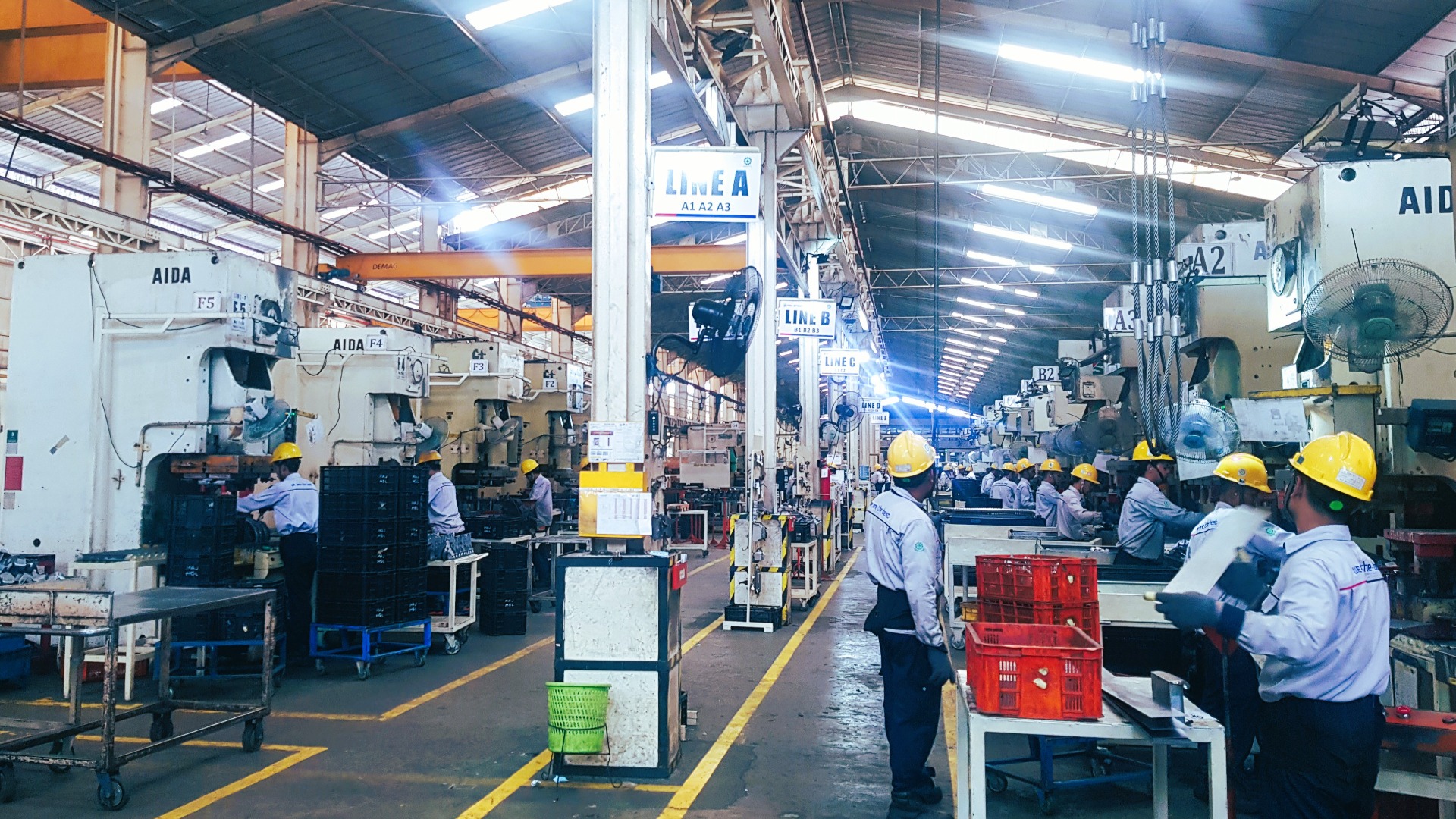
The Association of Lebanese Industrialists declared that "the losses of the industrial sector due to the war have been double: the first stemming from direct damage to factories, and the second linked to declining consumption in the local market and falling exports," warning that "the industrial sector can no longer bear the burdens, given the state's recurring recourse to imposing taxes to finance its expenditures."
It noted in a statement that "the number of factories completely damaged during the war is still limited, with most damage concentrated in partial damage or resulting from forced closures," pointing out "the difficulty of precisely determining the size of financial losses, which nevertheless include rising energy costs, increased shipping prices, and higher raw material costs."
The Association confirmed that "the repercussions of the war have not been limited to the local market, but have also affected industrial exports, particularly given that Arab countries, especially the Gulf states, form Lebanon's main market and have traditionally compensated for declining domestic demand, but the situation is different this time with an almost complete halt in export activity."
In this context, the Association expressed hope that President Joseph Aoun would, during his visit, "raise the issue of restoring permission for Lebanese goods to transit to Gulf countries, and work on lifting the ban on Lebanese exports to the Kingdom."
The Association noted that "the industrial sector is one of the most prominent pillars of the Lebanese economy, with its production volume reaching approximately 10 billion