·
·

Lebanon
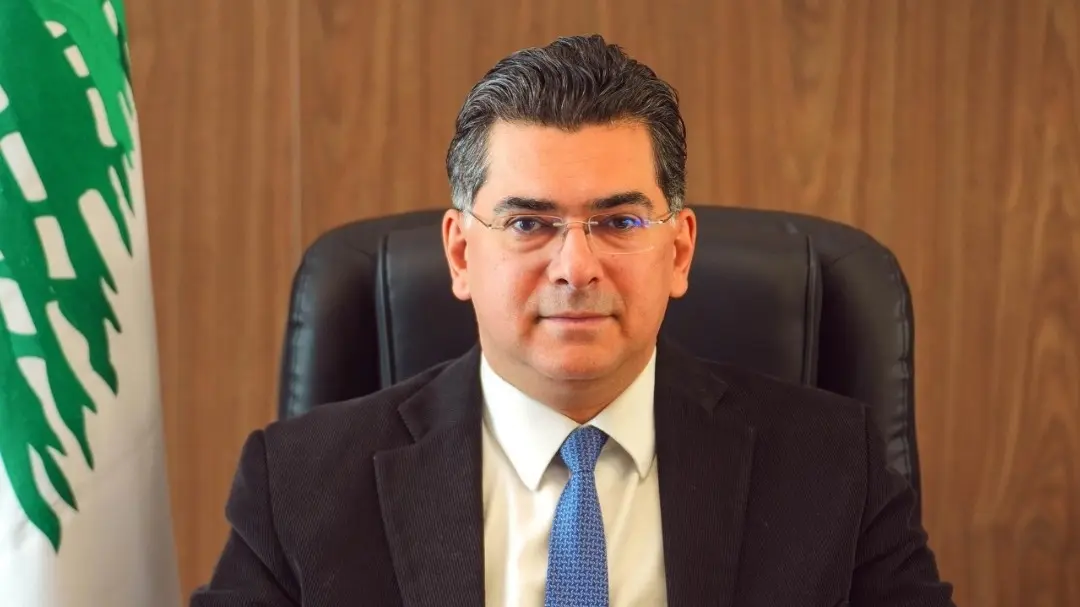
Minister of Information Paul Marqous received in his ministerial office French Ambassador Hervé Magro, accompanied by Political Adviser Romain Calvary and Media Adviser Marwan al-Tayibi, who accepted the minister's invitation. Minister Marqous handed the French ambassador a copy of the note he had signed today and sent to Lebanon's representative to the Human Rights Council through the Ministry of Foreign Affairs and Emigrants, to file a complaint with the Council regarding the protection of media workers and journalists.
Magro subsequently clarified that "the meeting touched on the subject of press freedom and Lebanese media workers who were targeted during the current conflict."
In turn, the Minister of Information spoke about the content of the meetings he has been conducting, saying: "These meetings are not over, and we are submitting protest notes to all parties concerned with maintaining the safety of journalists and press freedom, because we consider Israeli attacks on journalists —"
He added: "The meetings we completed today, which began with the head of the European Union mission in Lebanon and ambassadors of EU member states, UNIFIL and UNESCO, in addition to the protest notes we submitted and the effort we carried out with the Ministry of Foreign Affairs and Emigrants, aim to add these attacks to the file submitted by the Foreign Ministry to the UN Security Council."
He continued: "Today specifically, I signed the note sent to our representative to the Human Rights Council, Ambassador Caroline Ziadeh, to reinforce the file at the Human Rights Council, so that the Foreign Ministry can take the necessary steps there. We also received today the Bar Association president at the head of a delegation and Press Syndicate head Auni al-Kak'i, then French Ambassador Hervé Magro at the head of a delegation from the embassy, and we handed him the notes we submitted to international organizations in cooperation with the Ministry of Foreign Affairs and Emigrants, and briefed him on information we will complete with the 'International Humanitarian Law Committee' chaired by His Excellency Deputy Prime Minister Dr. Tarek Mitri who is making a tremendous effort to complete the elements of the file. I also asked His Excellency the Ambassador and the French Embassy in Beirut to support us also through their mission at the Human Rights Council for the complaint we are submitting."
He was asked: Will you take the matter to the International Criminal Court?
He answered: "We in the Ministry of Information cannot approach that court directly. The Lebanese state had previously tasked, on October 29, 2025, at my request, the Ministry of Justice with studying available legal options, and the Council of Ministers last month took two decisions at my request, to deposit our documented information with the International Humanitarian Law Committee which is completing the necessary procedures, and we have heard good news from them regarding the invitation of the High Commissioner for Human Rights to visit Lebanon to investigate documented information on the targeting of journalists, in addition to their contribution to filing the complaint before the Human Rights Council in Geneva."
He added: "The role of the Ministry of Information is to contribute to preparing these files and complaints and mobilizing diplomatic and legal pressure to accompany the government's centralized moves."
He was asked: Have you obtained any guarantees after the contacts you made against targeting journalists?
He answered: "We discussed this matter in the last two meetings with UNIFIL, where we requested the activation of the mechanism established with UNIFIL regarding journalists, and they told us they have no guarantees from the Israeli side. But this mechanism works by notifying journalists of their presence in certain centers or areas within the danger zone, but without a guarantee, so this matter is up to colleagues, who must exercise caution and adopt the necessary protection measures and precautions, because we are dealing with risks."