Miscellaneous
Rare Orange Burbot Found in Oswego Harbor During Invasive Species Survey
Biologists discovered a rare, orange-colored burbot in New York’s Oswego Harbor during a routine invasive species survey.

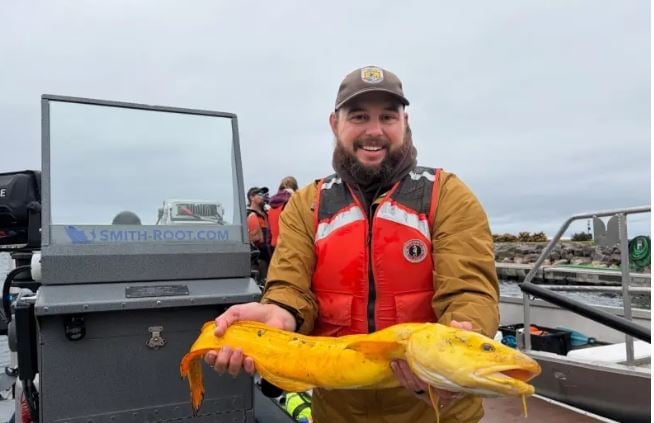
A routine aquatic life survey in the Great Lakes region has yielded an exceptional discovery: a bright orange-yellow burbot found in Oswego Harbor, New York. The find was reported by the New York Post and confirmed by officials from the U.S. Fish and Wildlife Service, who described the event as rare due to both the fish's unusual coloration and the low population numbers of this specific species in the area.
Genetic Mutation Behind Color
The Lower Great Lakes Fish and Wildlife Protection Office explained that the vibrant hue results from a genetic mutation that inhibits natural pigmentation. This condition produces the distinct orange-yellow appearance observed in the specimen. Experts noted that yellowing in wild fish is significantly less common than albinism or melanistic (black) pigmentation, making this particular individual exceptionally rare.
First Documented Record
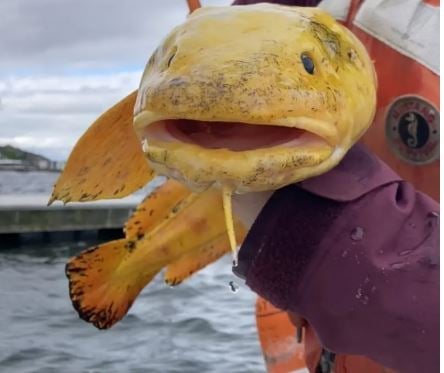
This sighting marks the first documented record of a burbot captured during a fisheries survey in Oswego Harbor. While some anglers have previously reported catching this type of fish, official scientific records for the harbor were nonexistent until now. Biologists from the U.S. Geological Survey (USGS), who examined the catch, stated that the fish was extremely thin and in poor health.
Habitat Anomaly
Beyond its color, the location of the catch adds to the anomaly. Burbot typically inhabit deeper, colder waters rather than the conditions found within the harbor. The combination of the species' already low numbers in Oswego Harbor and its presence in atypical shallow water made the discovery particularly noteworthy for researchers.
Value of Long-Term Monitoring
The U.S. Fish and Wildlife Service highlighted the broader significance of the find. Although the primary objective of the survey was to detect and track invasive species, the agency emphasized that such programs are vital for documenting biodiversity. These long-term monitoring efforts help scientists identify unusual biological phenomena and gain a better understanding of overall ecosystem health in the Great Lakes region.
Latest news

Jaber Concludes IMF Talks: Small Committee to Finalize Financial Gap Law

Apple tests iOS 27.3 with expanded Siri and Health tools

Israel's VCs eye Nvidia leadership gap for AI challengers