

Tech & Science
US drone with hybrid-electric engine makes first flight from 18000 foot
Northrop Grumman's XRQ-73, a hybrid-electric military drone, completed its first flight in April 2026, aiming for quieter surveillance.

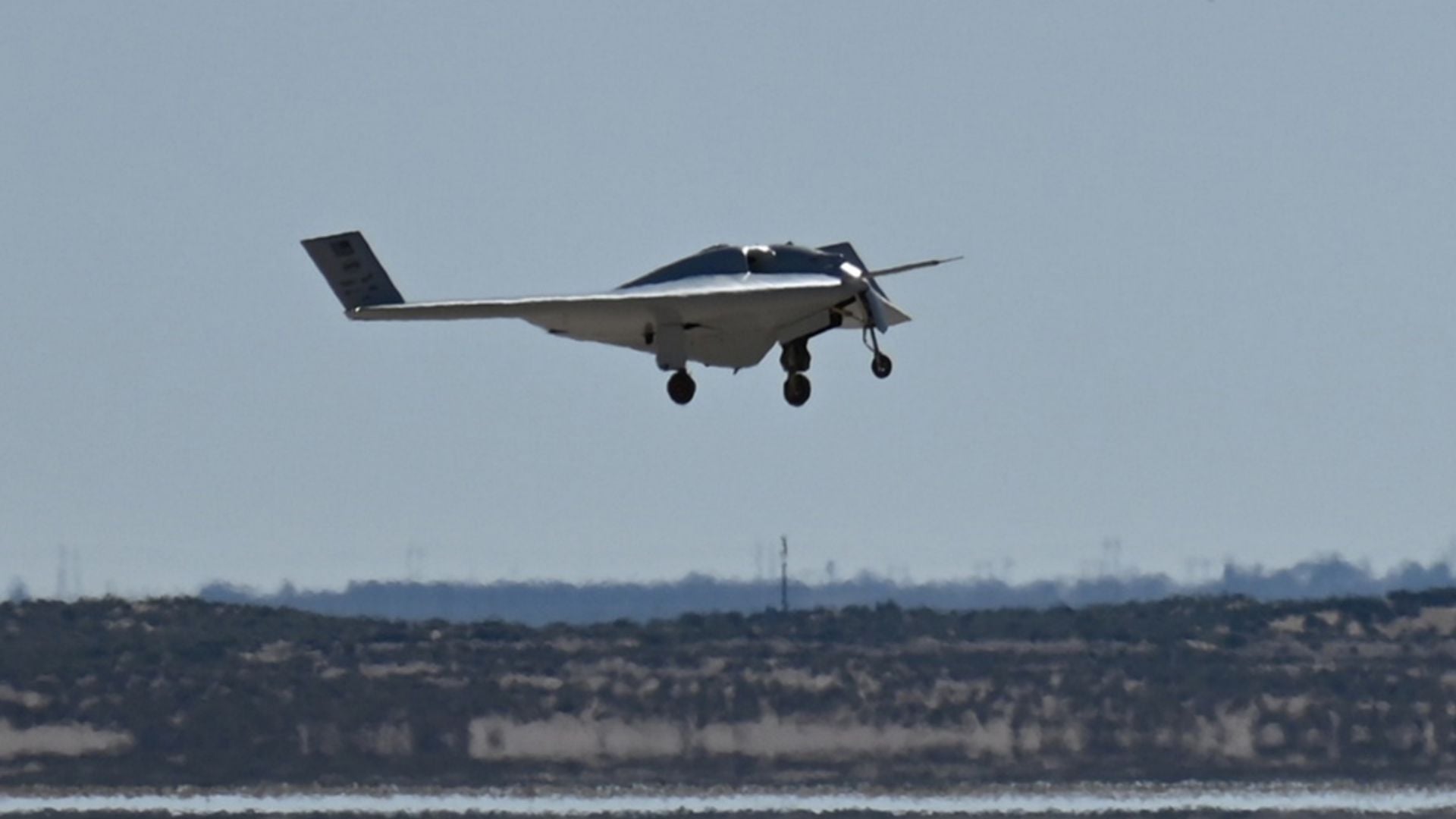
A 1,250-pound unmanned aircraft with a hybrid-electric propulsion system took to the skies in April 2026, marking a significant step for quieter combat and surveillance drones. The XRQ-73, designed by Northrop Grumman and its subsidiary Scaled Composites, completed its first flight at Edwards Air Force Base, a milestone later confirmed by the Defense Advanced Research Projects Agency.
DARPA, which developed the aircraft under the Series Hybrid Electric Propulsion Aircraft Demonstration (SHEPARD) program, called the flight a key achievement. The program builds on the earlier, little-known XRQ-72 Great Horned Owl project. Images released weeks after the event suggest the flight occurred on April 14, 2026, highlighting the program's secretive nature.
Quieter propulsion for harder detection
The XRQ-73 employs a gas turbine to power a very quiet electric propulsion system, a design intended to reduce both noise and heat. This makes the aircraft harder to detect during surveillance missions. Classified as a Group 3 Uncrewed Aircraft System by the U.S. Department of Defense, the drone typically operates at altitudes up to 18,000 feet and speeds of around 288 mph (250 knots).
DARPA officials emphasized the broader significance of the achievement. “This milestone is not just about a single flight,” said Lieutenant Colonel Clark McGehee, SHEPARD program manager. “The architecture proven by the XRQ-73 paves the way for new types of mission systems and delivered effects. We look forward to advancing this technology through the flight test program and delivering new capabilities for our warfighters.”
Initial plans reportedly aimed for a first flight in 2024, but the aircraft missed that target. Officials have not disclosed the reason for the delay.
Design changes before the flight
Newly released images reveal several design alterations to the XRQ-73 since it was first publicly shown in July 2024. The aircraft now features vertical stabilizers at the wingtips, though their permanence is unclear. Engineers also added a new air inlet on top and blade antennas.
Between the two main intakes, a new device with a forward-facing opening is visible. This component may house cameras or other systems for control and navigation. Black strips on the wings serve as airflow indicators for flight tests, helping engineers study air movement over the wings; they will likely be removed later in the testing phase.

Stealth features for covert missions
The XRQ-73 retains its large lower fuselage fairing, likely intended for intelligence, surveillance, and reconnaissance equipment. Officials have not provided details on the exact payload. The aircraft's flying-wing shape, quieter propulsion, and potentially lower heat signature could make it well-suited for covert missions at lower altitudes.
Photos released by DARPA show the drone parked on Rogers Dry Lake at Edwards Air Force Base, rather than on a regular runway or taxiway. The dry lake bed has a history of supporting experimental aviation, including tests of the North American X-15 and the Space Shuttle. DARPA is expected to continue testing the XRQ-73, though most details will likely remain out of public view as the flight program progresses.
Related articles

Samsung Galaxy Ring 2 Launch Expected Earlier Than Planned

68% of Modern Passwords Cracked Within 24 Hours, Report Finds

Smart Trackers: Real Protection or Just a False Sense of
