Tech & Science
China advances BEST fusion reactor assembly in Hefei
China has entered the main construction phase of its BEST experimental fusion facility, aiming to replicate stellar energy processes on Earth.

Chinese authorities have initiated the primary construction stage for an experimental complex designed to bring scientists closer to controlled nuclear fusion power. The China Media Group (CMG) announced that the facility, known as "BEST" and frequently referred to as an "artificial sun," is now undergoing key assembly work.
Fusion technology explained
Located in Hefei, Anhui province, eastern China, the BEST project utilizes a superconducting tokamak specifically engineered for studying burning plasma. This specialized chamber employs powerful magnetic fields to confine extremely hot plasma, attempting to recreate the nuclear processes occurring within stars for billions of years. Since July, essential components have been transported to the site, with more than half of the planned tasks completed. Engineers have commenced assembling the reactor's central section.
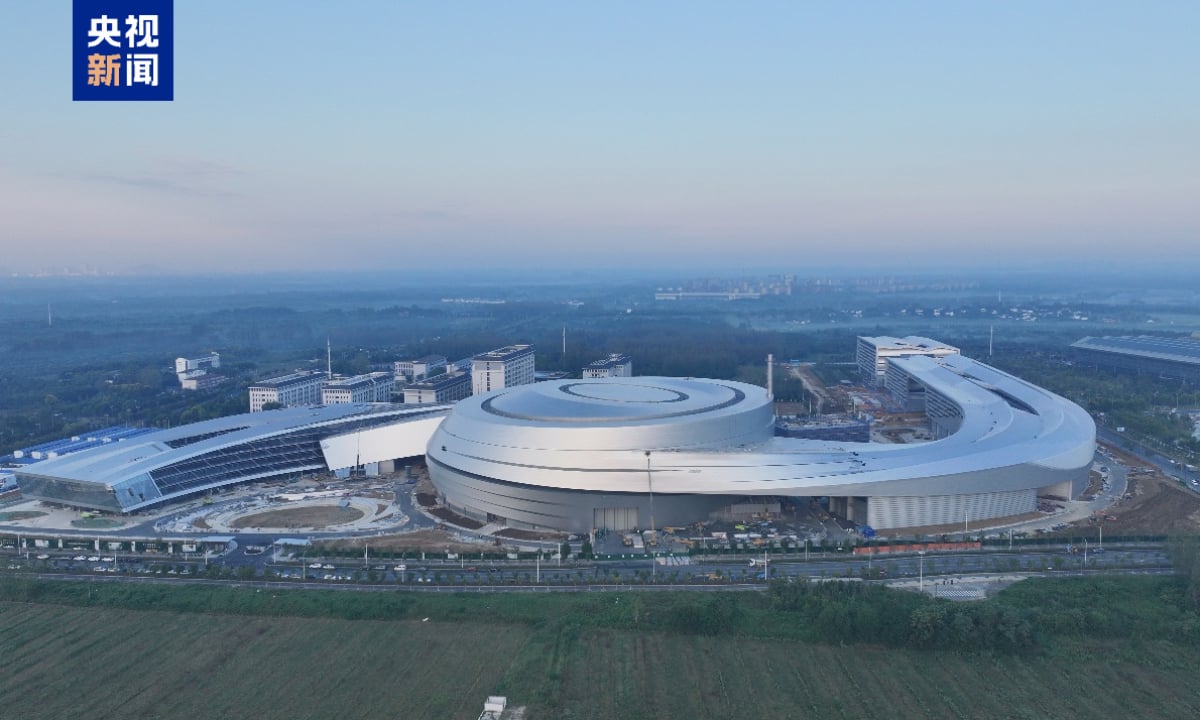
The installation process involves fitting vacuum chambers, cooling shields, toroidal magnets, and other precision elements. The vacuum chamber serves as the location where fusion reactions will occur, while the cooling shield protects equipment from intense heat. Superconducting magnets generate the necessary magnetic field to trap the plasma. In such facilities, plasma temperatures reach hundreds of millions of degrees Celsius, making it impossible for the substance to touch the reactor walls without causing damage.
Replicating solar energy mechanisms
BEST operates on the principle of thermonuclear fusion, the same process powering the Sun. Light atomic nuclei combine to form heavier elements, releasing vast amounts of energy. Researchers plan to use a mixture of deuterium and tritium, two hydrogen isotopes, within the facility. When these isotopes fuse, they produce helium and release energy that scientists hope to eventually convert into electricity. These projects are often labeled "artificial suns" not because they create actual stars, but because they aim to reproduce the mechanism by which the Sun generates energy on Earth.
Timeline for future power generation
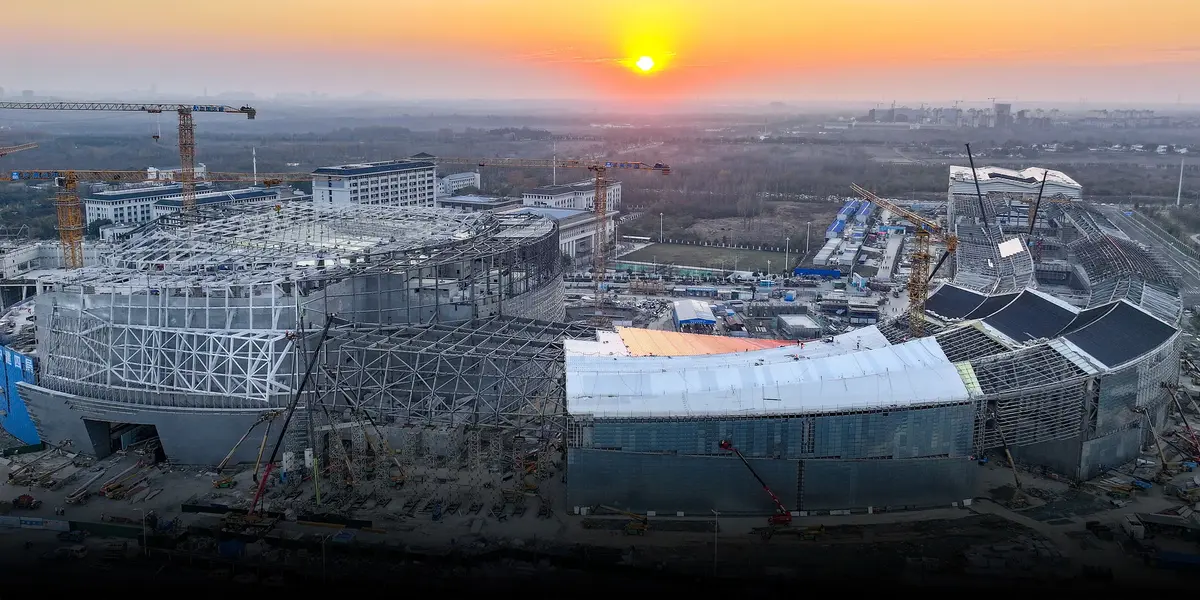
Construction of the BEST facility is scheduled for completion in 2027. Following this milestone, researchers intend to verify whether burning plasma stability can be maintained, a state where the fusion reaction itself helps sustain the process. Chinese specialists anticipate that by 2030, the project will demonstrate the feasibility of generating energy through controlled deuterium-tritium fusion. Although commercial fusion power plants remain distant, BEST could help answer one of modern energy's critical questions: whether an inexhaustible source of clean energy can be created based on stellar interactions.
Latest news
US withdraws all bombers from Fairford air base

Müller reveals Bayern rejected €100m United bid in 2015

Wet hair fragility dictates gentle detangling methods