Tech & Science
German Team Develops AI Imaging to Detect Basal Cell Carcinoma Early
Researchers at Friedrich-Alexander University Erlangen-Nürnberg have developed an AI-supported LC-OCT imaging method—dubbed SUBSCAN—that identifies basal cell carcinoma before visible skin changes occur.

Scientists in Germany have introduced a novel imaging approach capable of detecting basal cell carcinoma prior to the emergence of any observable alterations on the skin surface—a development that could enable earlier diagnosis of skin cancer.
How LC-OCT and AI Enable Pre-Symptomatic Detection
The technique was developed by a team from Friedrich-Alexander University Erlangen-Nürnberg (FAU), led by Dr. Moritz Ronicke of the Department of Dermatology at the University Hospital Erlangen. It combines line-field confocal optical coherence tomography (LC-OCT) with artificial intelligence support.
Researchers conducted systematic examinations of the faces of patients at high risk for skin cancer. For the first time, they successfully identified basal cell carcinoma before any visible skin changes appeared.
Why Early Detection Matters for Basal Cell Carcinoma
Basal cell carcinoma is the most common type of skin cancer worldwide. Although it typically grows locally, it can damage surrounding tissue and cause harm to sensitive facial structures—including the nose and eyes—when located on the face. Early detection opens access to less invasive treatment options; in some cases, topical cream alone may suffice.
LC-OCT integrates optical coherence tomography with confocal microscopy, generating real-time vertical, horizontal, and three-dimensional images of skin at micrometre-level resolution. These images allow clinicians to visualise internal skin changes and pinpoint areas requiring further investigation.
Artificial intelligence analyses the acquired images and produces a colour-coded probability indicator reflecting the likelihood of basal cell carcinoma presence. However, final diagnostic decisions remain the responsibility of the physician.
Current Status and Limitations of SUBSCAN
The approach, referred to as “SUBSCAN”, is not yet ready for routine clinical use. It remains under evaluation due to insufficient data on its sensitivity. Additionally, the examination process currently takes too long for widespread deployment.
Nonetheless, researchers anticipate that, once validated and optimised, SUBSCAN could facilitate detection of basal cell carcinoma at an extremely early stage—potentially expanding the use of topical therapies and reducing surgical intervention in selected cases.
Latest news

Real Madrid TV Condemns Castaño’s “Terrorism” Comparison After Apology
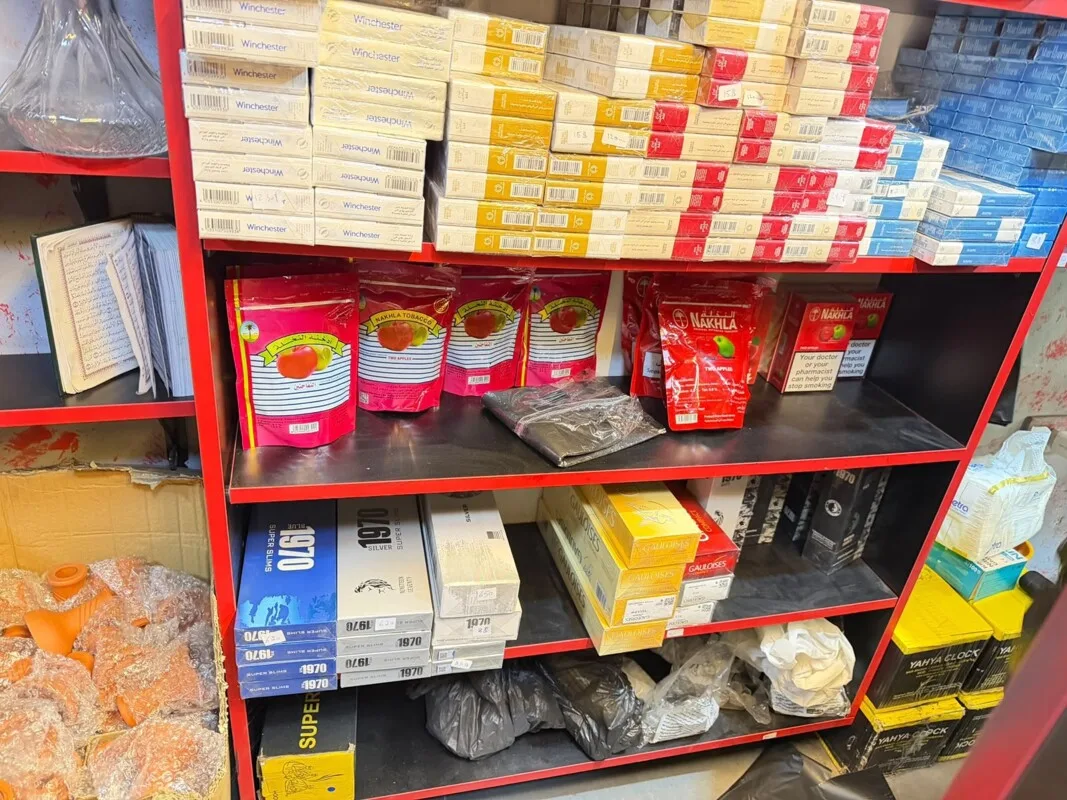
Revenue Authority Seizes Smuggled and Counterfeit Tobacco Products in Southern Suburbs and New Road

Minister of Public Works Opens Rehabilitation of Dahr al-Beydar Road