·
·


World
The Russian-Ukrainian war has deeply impacted daily life in Russia during the 2026 summer, with escalating drone attacks on airports, oil refineries, and warehouses causing fuel shortages, flight cancellations, and disrupted freight transport.

The Russian-Ukrainian war transformed into a crisis touching everyday life for Russians during the summer of 2026, as drone attacks on airports, oil refineries, and warehouses intensified, triggering fuel shortages, flight disruptions, and halted freight movement, according to the Associated Press.
According to data from the Russian Ministry of Defense, collected by the American agency, Russia intercepted over 43,300 Ukrainian drones across its territory and the Crimean Peninsula during June, July, and August of this year, although many clearly hit their targets. In the same period last summer, the ministry reported intercepting around 7,700 drones.
Margarita Terikova, a retired woman, said she had to wait in line to refuel her car in Moscow amid the fuel crisis that lasted until August due to attacks on refineries: "We were living normal lives, and suddenly it became like this."
As autumn approaches, growing awareness among Russians about the war and its consequences coincides with a difficult timing for the Kremlin, as parliamentary elections are taking place from September 18 to 20—Russia’s first since the start of the Ukraine war in 2022.
Changing mood in Russia
The first major Ukrainian attack of the summer occurred on June 3, when Kyiv targeted an oil port outside St. Petersburg, coinciding with the annual economic forum hosted yearly by Russian President Vladimir Putin in the city. Since then, Ukraine has targeted oil refineries and "Wildberries" and "Ozon" warehouses from Moscow to Yekaterinburg in the Ural Mountains, all the way to Omsk in Siberia.
Denis Volkov, director of the independent Levada Center for public opinion research, said this expanding campaign, geographically broadened and with increasing numbers of drones, has shocked Russians.
Kyiv has not disclosed the number of drones launched toward Russian territory, but Ukrainian President Volodymyr Zelensky spoke of expanding the scope of attacks, which he describes as "long-term sanctions." Officials in Kyiv say they will continue pressuring Russia to end the war while Moscow intensifies its bombardment of Ukraine.
Volkov told the Associated Press that Ukrainian drone attacks "remained the most interesting topic over the past two months of summer."
Social media platforms document long lines of cars at gas stations, stranded travelers due to canceled flights, and small business owners sharing videos of themselves crying after their goods were destroyed in targeted warehouses.
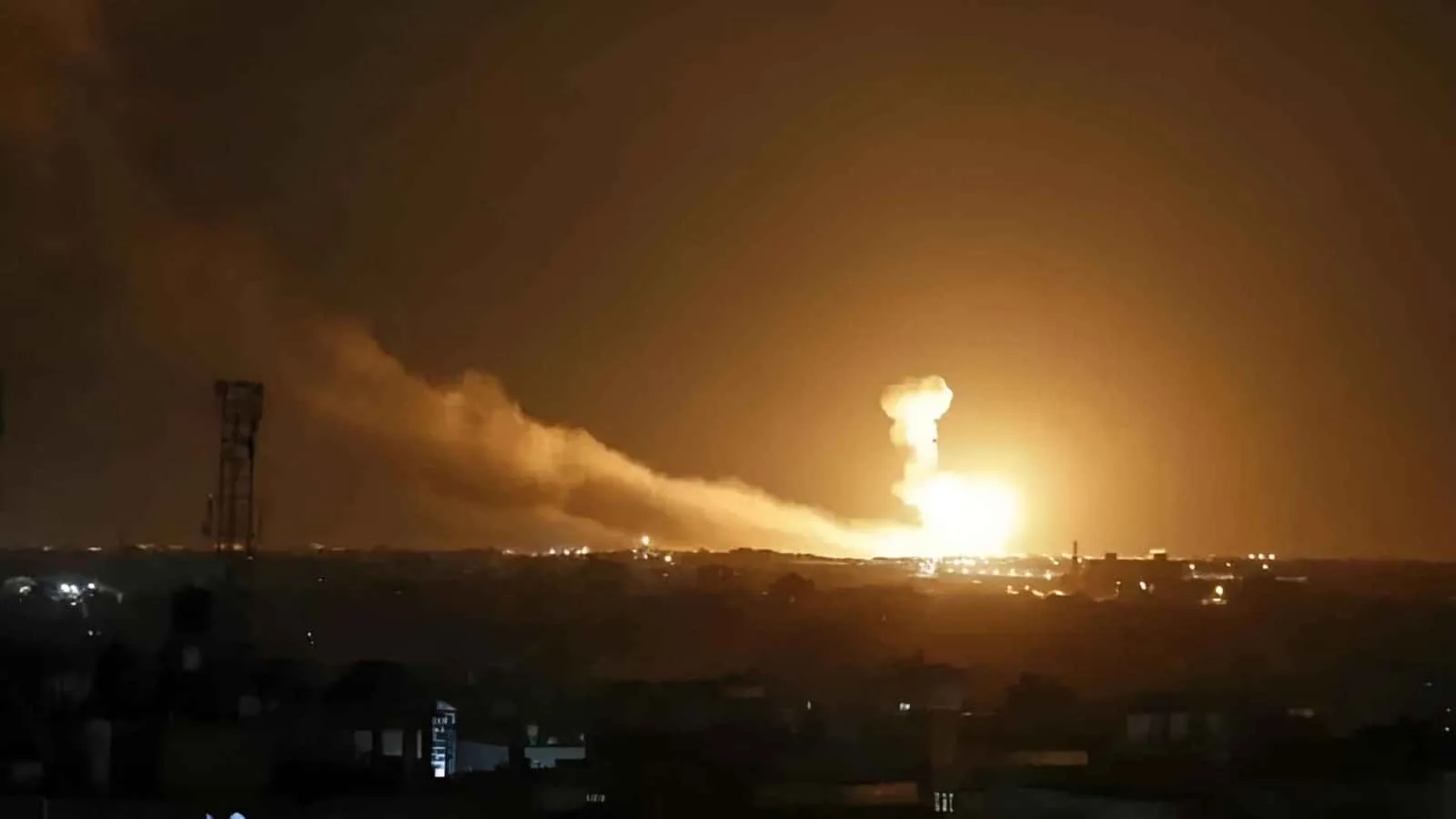
Despite restrictions on publishing details of attacks, massive fires engulfing oil refineries and warehouses have spread online through photographs.
While shock from summer events has subsided, Volkov notes a long-term negative trend observed by sociologists since last year: a decline in Russians’ assessment of the country’s economic situation and falling approval ratings for top officials.
Putin’s popularity
Putin’s popularity, traditionally high, has slightly declined this year, according to Levada Center data showing his approval rating at 76% in August, down from 87% in September 2025.
Chris Weaver, CEO of Macro Advisors, a consulting firm based in Moscow, said there is increasing awareness of the war and a decline in apathy toward it.
He added: "People complain more, talk more," pointing to a notable level of pessimism, especially within the business sector, regarding prospects for ending the war.
There also appears to be growing anxiety fueled by persistent rumors of a new military mobilization, similar to the unpopular mobilization in September 2022 that drafted 300,000 men.
Zelensky and other Ukrainian officials claim Putin plans a new mobilization after the parliamentary elections—claims dismissed by the Kremlin as "lies."
These fears have prompted some Russians to leave the country. A 23-year-old woman from Moscow told the Associated Press she left the country last month with her husband, fearing conscription into the army.
She said she also fears Ukrainian attacks, adding that she believes many people are experiencing war fatigue, as the conflict now has the power to affect "the life of anyone anywhere in the country."
Volkov said concerns about a new military mobilization have existed for some time, but intensified slightly last year following the failure of U.S.-led peace efforts, with no end to the war in sight.
He explained that people "don’t want the conflict to expand and force more individuals to participate against their will, which generates a sense of anxiety and tension."
Ukraine expects more disruptions
Several Russians interviewed by the Associated Press in Moscow this week recounted how they spent the summer alternating between joyful moments, yet also spoke of adapting to the daily impact of drone attacks.
Natalia Baginova, from the Siberian city of Chita, said she waited two full days in line to get fuel. During her visit to the region of Voronezh near the Ukrainian border, she received constant warnings about drones, though she heard no explosions.
Ksenia Smirnova said her family canceled a planned flight to a Black Sea resort and opted to travel by train instead to avoid complications.
On Tuesday, Zelensky issued a concerning warning to airlines operating in Russia, stating risks may persist.
He added: "Although Russian authorities do not inform the public adequately, Russian airspace will effectively be closed. The war Russia started is closing its own skies. Currently, the sky over Russia is for drones, not for civilian aviation."