World
Before Execution Date: Nidal Hasan Requests Stay of Death Sentence
Nidal Hasan, convicted for the 2009 Fort Hood shooting, seeks a federal stay to halt his December execution scheduled by President Trump.

The execution of former US Army psychiatrist Nidal Hasan, scheduled for December 3, is no longer merely a military matter after the case moved to federal court in a final legal challenge that could obstruct the sentence approved by President Donald Trump.
Hasan, convicted of killing 13 people and injuring 32 others in the 2009 shooting at Fort Hood military base in Texas, requested a stay of his lethal injection execution to allow him to appeal the verdict in civil court, citing constitutional and legal violations he claims tainted his trial and the procedures preceding the setting of his execution date.
However, the most significant development in recent hours was that Federal Judge Anthony Mativie did not issue a stay during Wednesday's session, scheduling a new hearing for Monday morning, November 30, in Kansas City, just three days before the scheduled execution date.
The main arguments Hasan prepares to present revolve around his deprivation of the right to mount a full defense during his 2013 military trial, after the judge prevented him from arguing that the attack was a defense of the Taliban against US forces.
He also accuses President Trump and Defense Secretary Pete Hegseth of improperly influencing the course of military justice with motives he describes as racist and religious.
Hasan further challenges the legality of the procedures used to set his execution date and choose the method of execution, considering Trump's announcement of resorting to an execution squad as an overreach of legal authority, and stating that officials' remarks about broadcasting the process raised additional legal issues.
According to the latest American reports, the government opposes the request for a stay, and was required to submit its response to the court by noon on Friday, November 27, with Hasan to provide his rebuttal by noon on Saturday.
This means that Monday's session will be a crucial milestone in determining the fate of the scheduled date, although it is not certain that the judge will issue his final decision during it.
A "habeas corpus" lawsuit allows the condemned person to request legal review of their detention and the issued verdict before a federal court, which is the path Hasan seeks to activate before the penalty is carried out.
This step gains additional importance because a previous US judicial record saw a long halt to the execution of a military prisoner after resorting to a similar legal path.
In contrast, Anna Arsino, deputy director of the Death Penalty Project at the American Civil Liberties Union (ACLU), defended Hasan's right to have his case reviewed by the federal judiciary, emphasizing that the severity of the committed crimes does not exempt the government from adhering to fair trial guarantees, nor does it justify rushing the implementation of an irreversible penalty.
The sentence is scheduled to be executed at 1:00 PM local time on December 3 inside Fort Hood base.
If the sentence is carried out, it will be the first execution performed by the US Army since 1961, and the first by firing squad since 1945.
While victims' families and survivors await the execution of the sentence, its fate remains suspended on what will result from the confrontation before the federal court, in a case that has brought back to the forefront thorny questions regarding the death penalty within the US military institution, and the limits of executive branch authority in dealing with those sentenced.
Latest news
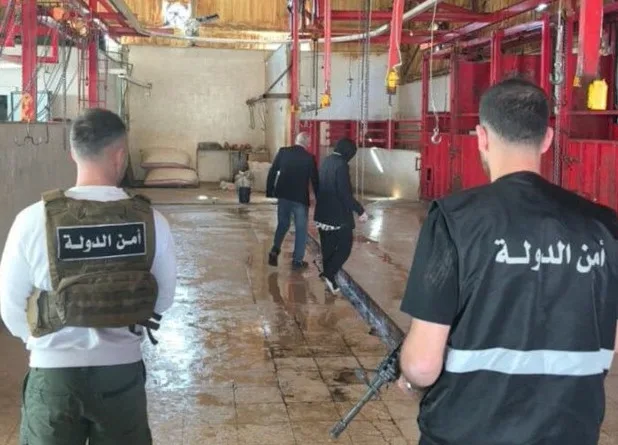
State Security Closes Slaughterhouses and Butcher Shops for Failing Health Standards

BMW Launches New Voluntary Severance Program for Employees in Germany

First Flex-Fuel Hybrid! Toyota’s New Innova Runs on 85% Ethanol