World
End of 'Cybertruck' and Launch of 'Cybercab' Era: Tesla Changes Its Future Bet
Tesla CEO Elon Musk announced a reduction in Cybertruck production to phase it out, shifting focus to the autonomous Cybercab. This strategic pivot highlights the reasons behind ending the Cybertruck era and embracing robotics and self-driving transport.

The announcement by Tesla CEO Elon Musk to reduce production of the electric truck "Cybertruck" as a prelude to its gradual discontinuation at the Texas factory marks a fundamental strategic shift in the American car manufacturer's trajectory.
This decision aims to fully clear the way for the mass manufacturing of the self-driving taxi "Cybercab."
In this topic, we highlight the reasons that pushed Tesla to end the "Cybertruck" era and outline the group's new bet towards robotics and autonomous transport.
What led to the stalling of the "Cybertruck" project?
Despite the wide media buzz and impressive showcase presentations upon its launch in December 2023, the truck failed to collide with the desired commercial reality, due to several key factors:
- Weak demand and sales volume: Tesla previously expected to produce 250,000 vehicles annually by 2025, relying on more than one million initial purchase orders. However, actual data revealed that vehicle sales did not exceed 72.7 thousand units until the end of October 2026, reflecting its failure to attract the broad market.
High price and design: Vehicle prices ranged between $61,000 and $100,000. According to industry experts, the unconventional design and exorbitant price made the "Cybertruck" a product targeted at a very limited segment of enthusiasts and consumers, rather than a widely distributed commercial vehicle.
- Political pressures and supply chains: Tesla's global sales declined coinciding with Musk's involvement in political activities and US election campaigns, exposing the company to boycott calls and protests that negatively impacted brand appeal.
What is the "Cybercab"? How does it differ strategically?
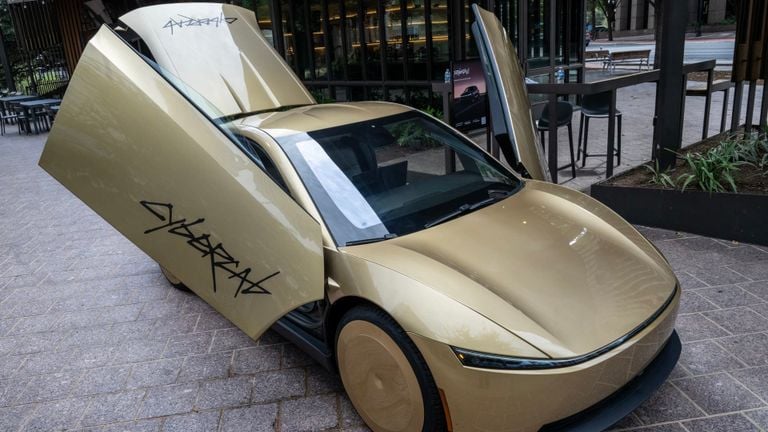
Cybercab represents Tesla's vision for the future transport system, differing radically from traditional trucks through prominent features:
- Nature of use: Tesla shifts from manufacturing cars dedicated to individual commuting and private ownership (like the Cybertruck) to building a fleet for shared transport and autonomous taxi services (Robotaxi).
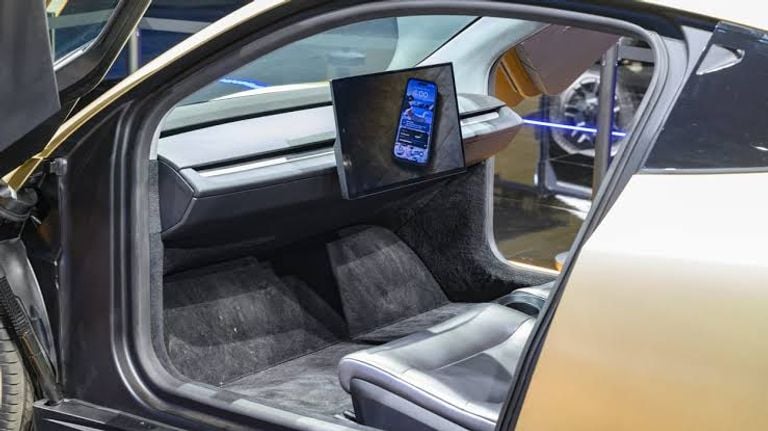
- Radical design: The "Cybercab" completely lacks a steering wheel and pedals, designed specifically to be a fully independent transport vehicle accommodating two passengers.
- Production ambition: Musk targets producing millions of cars annually (between two to four million vehicles), surpassing the production constraints faced by conventional vehicles.
The shift towards the era of robots and autonomous cars
Abandoning the "Cybertruck" reflects a comprehensive rearrangement of Tesla's investment priorities:
- Shift towards software: Tesla gradually moves away from exclusive reliance on selling consumer car structures, heading towards selling intelligent transport software services and autonomous driving services with higher profit margins.
- Service expansion: Tesla has already begun operating autonomous transport services in Austin and Dallas, registering hundreds of self-driving cars in regulatory databases.
What challenges face Tesla's new bet?
Despite the immense ambition of the shift towards the "Cybercab," there remain substantial obstacles to expansion:
- Regulatory oversight and federal approval: The National Highway Traffic Safety Administration opened investigations into the extent of compliance of "Cybercab" vehicles exempt from steering wheels with federal safety standards.
- Proving technical reliability: Driverless transport services require extreme safety levels and absolute software stability in all complex urban conditions to ensure acceptance by the market and regulators.
Latest news

Security Forces Deny Issuance of Security Warnings Regarding Movement in Beirut

Traffic Measures in Beirut and Jounieh Due to Events and Road Maintenance

Iranian Freedom Award Given to Pahlavi in Germany: Why Did the Honor Spark Protests?