World
Estonia Plans to Close Border with Russia After Accusing Moscow of Orchestrating Sabotage Attempt
Estonia announced plans to close its land border crossings with Russia starting December 1, following an attempted sabotage attack on a local drone manufacturer that authorities blame on Russian military intelligence.

Estonia has announced its intention to close its land border crossings with Russia starting from December 1, following an attempted sabotage attack targeting a local drone manufacturing company, which authorities stated was ordered by the Russian military intelligence agency "GRU".
The Estonian Ministry of Foreign Affairs said on Sunday that the closure of the crossings is in response to the attempt to target the defense industry company "Threod Systems", considering that the step aims to reduce Russia's ability to carry out hostile activities within the country and limit the risks of circumventing sanctions.
Estonia operates three main border crossings with Russia: Narva in the north, and Koidula and Luhamaa in the south. The duration of the anticipated closure has not been specified by the authorities, according to The Guardian newspaper.
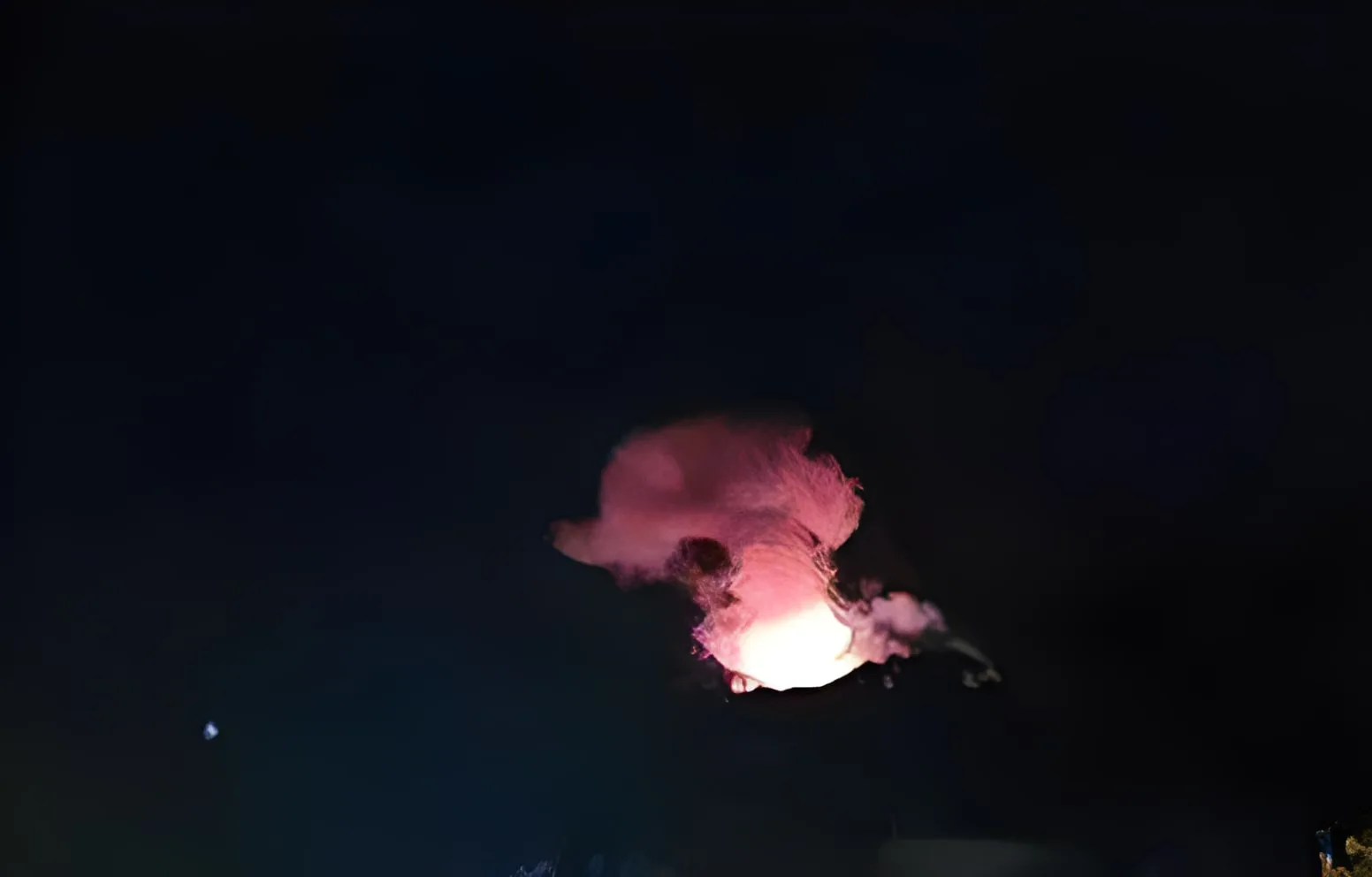
The Estonian government said the attack targeted the headquarters of "Threod Systems" in Vimsi, north of the capital Tallinn, early Saturday morning, aiming to cause an explosion and ignite a fire in the building.
The attack resulted in no injuries or damage, while security and police agencies arrested eight suspects, and the public prosecutor requested that five of them remain in custody.
The government said the suspects are residents of Latvia, and the investigation is being conducted in coordination with security agencies and prosecutors there.
The Estonian Internal Security Service "KaPo" concluded that the attempted attack was carried out under orders from Russian military intelligence, an accusation against Moscow that could not be independently verified.
"Threod Systems" produces long-range drones designed for attack and reconnaissance, operating in the defense industry sector that Estonia has strengthened support for since the outbreak of the war in Ukraine.
Tallinn Links Attack to Support for Ukraine
Estonian Prime Minister Kristen Michal linked the sabotage attempt to his country's support for Ukraine, saying that Moscow's goal is "to scare us, make us hesitate, and weaken our support for Ukraine".
He added that his country's response will be "the exact opposite", noting that the government will strengthen security measures and cooperation with companies and allies, increase pressure on Russia, and continue supporting Kyiv.
Michal said that closing the border would reduce the risks faced by the population and send a message that targeting defense industries and Estonian military capabilities is "unacceptable".
For his part, Foreign Minister Margus Tsahkna said that "Russian hostile acts have a price", adding that increasing pressure on Moscow should include tightening sanctions, adopting a stricter visa policy, and taking additional measures to limit its ability to achieve its goals.
Tsahkna explained that he had informed his counterparts in Latvia, Lithuania, and Finland, as well as European Union officials, about the decision to close the border.
Second Attack Targeting Defense Company
The attempt to target "Threod Systems" is the second incident in months in which Tallinn has accused Russian security services of targeting a defense company linked to support for Ukraine.
Estonian authorities previously attributed to Russian intelligence an arson attack targeting the defense industry company "Milrem Robotics" last August. The Estonian Internal Security Service said in September that the attack was "deliberate and pre-planned", carried out on behalf of Russian security services.
Tallinn says that defense industry companies and institutions supporting Ukraine have become increasingly targets for Russian intelligence, alongside cyberattacks, disinformation campaigns, and attempts to recruit individuals to carry out sabotage operations inside European countries.
European intelligence agencies have previously warned of Russian attempts to recruit individuals within European Union and NATO member states, including via messaging apps, to carry out sabotage acts.
How Did Moscow Respond?
In Moscow, Russian Foreign Ministry spokesperson Maria Zakharova criticized the decision to close the border, telling the official TASS news agency that the step, if implemented, falls within what she described as a "new wave of uncontrolled hostility towards Russia".
The Kremlin had previously denied any involvement in the August attack on "Milrem Robotics", describing the Estonian accusations as "baseless" and unrelated to reality.
The Estonian move comes amid rising tensions between Russia and the Baltic states, members of the European Union and NATO, in light of growing European concerns over the expansion of what Western governments describe as Russian "hybrid" operations, which include sabotage, cyberattacks, and influence campaigns, parallel to the ongoing war in Ukraine.
Latest news
Sadi Briefs Aoun on Results of Doha Visit to Boost Energy Sector

Interior Minister Briefs President Aoun on Security Situation and Results of Meeting with Syrian Counterpart

Will France Deploy Military Forces in South Lebanon Without a UN Mandate?