·
·


World
Iran faces a critical test amid escalating U.S. economic and military pressures, with growing signs that the war has severely damaged its economy without yet forcing Tehran to accept American demands.

Iran faces a difficult test as U.S. economic and military pressures intensify, with increasing signs that the war has inflicted significant damage on Iran's economy, without yet compelling Tehran's leadership to accept American demands.
Iranian President Masoud Pezeshkian said ending the war might be the best option at present, as long as Iran remains in a position of "strength and dignity," while Parliament Speaker Mohammad Bagher Ghalibaf warned that continued economic pressure could threaten the country's ability to withstand, emphasizing that military power alone is insufficient amid declining production, growth, and deteriorating living conditions.
According to experts, these statements reflect an increasing awareness within Iran's leadership of the difficulty of sustaining the current situation, but they do not necessarily indicate Tehran's readiness to make major concessions in any negotiations with Washington, according to "Iran International".
Iran's calculations come as the United States prepares to intensify its economic war against Tehran. Treasury Secretary Scott Bessent pledged to impose what he described as "the toughest sanctions in history," coinciding with the ongoing maritime blockade disrupting Iranian trade.
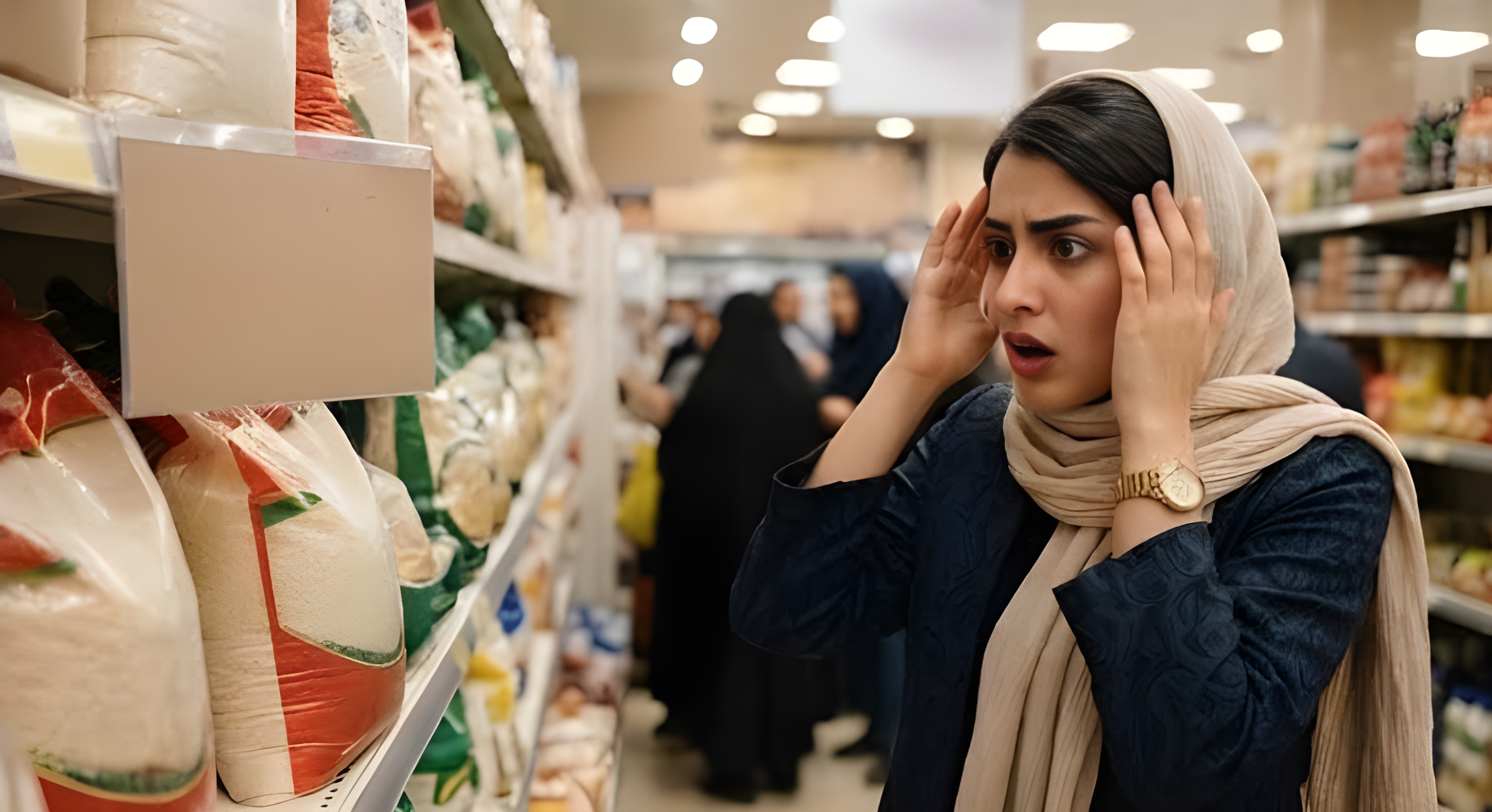
Iran faces this crisis amid an economy already suffering from inflation and currency depreciation. According to official data, annual inflation reached around 66% in July, while food prices rose by 128% compared to the previous year.
Raz Zimet, director of the Iran and Shia Axis Research Program at Israel's Institute for National Security Studies, believes these pressures may have prompted some Iranian officials to reassess the country's capacity to endure the war, but this does not imply consensus in Tehran on reaching a settlement.
Zimet notes that Iran's leadership may find itself facing two difficult choices: either bear the risks of continuing the war and escalation, or make concessions that Tehran might view as complete surrender to the United States.

From his perspective, the likelihood of Iran accepting terms it considers humiliating or threatening the regime's survival remains low, especially given some factions within leadership believe Washington and Tel Aviv have failed to force Tehran into making substantive concessions despite military and economic pressures.
Tehran's calculations extend beyond current pressures to what might happen after any agreement is reached. According to analysis, Iran's leadership fears making strategic concessions—such as loosening its grip on the Strait of Hormuz—in exchange for a ceasefire that may not be permanent.
These concerns grow stronger in light of direct U.S. statements suggesting the possibility of toppling the Iranian regime through economic pressure. Bessent stated that combining sanctions and blockade could lead to "the collapse of this regime," despite affirming that successful economic pressure might reduce the need for launching a new large-scale military campaign.
Tehran views such statements as evidence that Washington's goal may go beyond forcing specific concessions to actively weakening the regime itself—a prospect that could push hardliners inside Iran to reject any settlement they see as giving the United States room to continue pressure after hostilities cease.
Moreover, the U.S. withdrawal from the nuclear deal during Donald Trump's first term continues to influence current calculations. Iran initially adopted a "strategic patience" policy then gradually moved toward more escalatory steps as economic damage widened, including targeting ships in the Gulf and downing a U.S. drone.
The Strait of Hormuz represents one of the key elements of strength Iran still possesses to counter U.S. pressures. After decades of threatening to close the vital waterway, Iran has managed to severely disrupt navigation through the strait during the war.
According to data from Kepler, only seven commercial vessels passed through the strait on Thursday, compared to over 130 daily before the war erupted.
Zimet believes Iran's leadership may see this situation as an opportunity to use the strait as a bargaining chip, inflicting economic damage on regional countries and the global economy before entering serious negotiations.
Thus, Iran's option may not be immediate submission to pressure, but rather raising the level of escalation first to improve its negotiating position later.
This scenario warns that increased U.S. pressure could backfire, potentially pushing Tehran to take even harsher measures instead of offering concessions.
Ultimately, the central question remains whether economic and military pressures will drive Iran to seek a settlement—or convince its leadership that escalation is the best way to strengthen its position before returning to the negotiation table. So far, there are no clear indications that Tehran has made up its mind on this choice.