World
Iraq: 5 Groups Nearing Weapon Handover, Talks Continue with Two Others
The Iraqi government reports significant progress in disarming armed groups, with five factions agreeing to state control of weapons and negotiations ongoing with two others.

The Iraqi government announced major progress in negotiations with armed groups, noting that five groups have agreed to place their weapons under state control, while talks continue with two other groups, amid hopes of completing the process by June 2027.
Iraqi government spokesperson Haider Al-Aboudi stated in media remarks that the government "has completed the requirements and details of negotiations" with five armed groups.
He added that discussions are still ongoing with two other groups, expressing hope for successfully concluding negotiations with them by June 2027, which is the deadline set by the government to complete the process.
Al-Aboudi did not reveal the names of the groups with which the government reached understandings, nor did he clarify the details of the agreements, or whether these factions actually agreed to hand over their weapons or join official Iraqi security forces.
Armed groups operating outside government control are among the most prominent security and political files in Iraq, especially since some of the country's strongest armed factions are closely linked to Iran.
Washington has repeatedly called on Baghdad to bring all weapons under government control and prevent armed groups from operating independently.
Al-Aboudi said the government has taken steps to address this issue since Prime Minister Ali Falih Al-Zaidi took office last May.
In a related context, US envoy Tom Barrack praised the Iraqi Prime Minister on Sunday for taking action against Iran-backed militias, specifically pointing to the government's decision to cancel certain contracts at Mosul International Airport due to alleged links to armed groups.
The cancelled contracts include airport offices, parking lots, and taxi services, while Al-Zaidi proposed assigning these services to international companies.
Barrack said Al-Zaidi is sending a clear message that "militia influence has no place in Iraq's institutions," describing the step as "embodied sovereignty."
Al-Aboudi described Iraq's relations with Washington as moving toward greater economic cooperation based on shared interests and mutual respect.
He noted an agreement between the United States and Iraq on the gradual transition of the coalition's military mission, allowing Iraqi forces to take on greater responsibility for the country's security.
Latest news
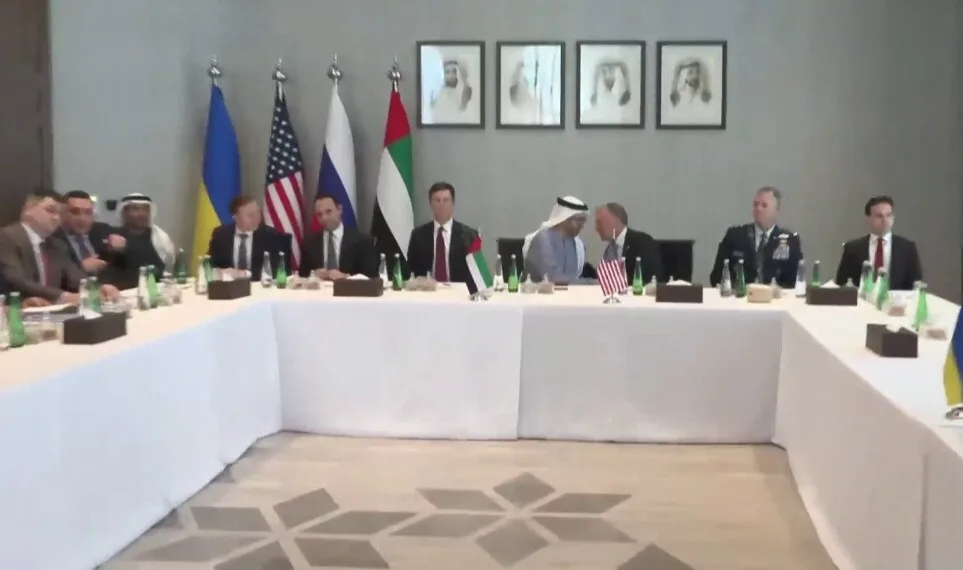
Trilateral Talks Between Russia, US and Ukraine Launch in Abu Dhabi

Banque du Liban warns: All information attributed to it regarding IMF consultations is incorrect!
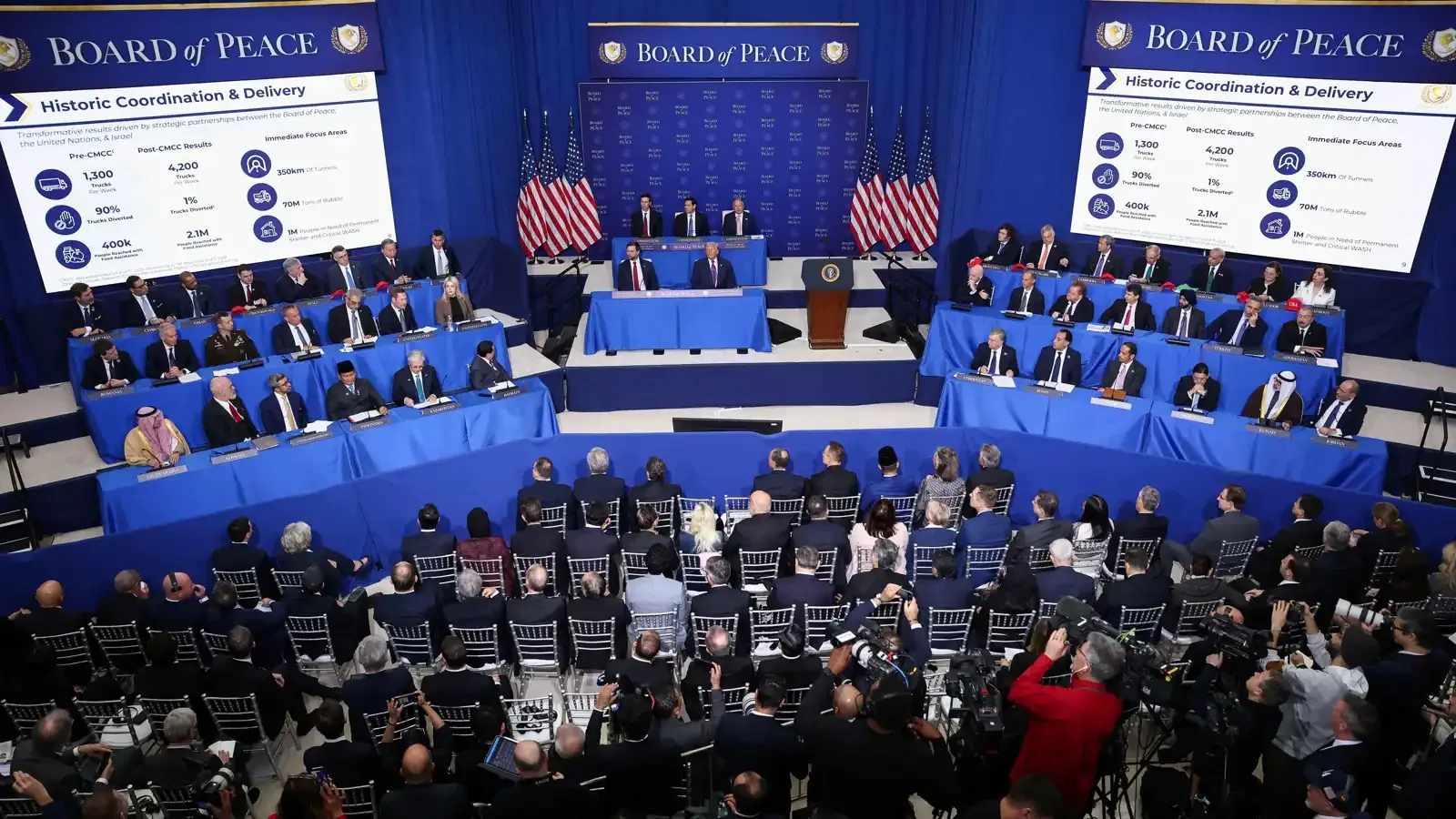
Peace Council Pressures Israel to Open Gaza Crossings and Deliver Winter Aid