·
·


World
Thousands of sailors are stranded in the Strait of Hormuz amid a US-Iran standoff, facing hunger, thirst, and attacks.

More than 20,000 seafarers are enduring a worsening humanitarian crisis in the Strait of Hormuz, where food and water supplies have run critically low as military tensions between the United States and Iran stretch into a 65th consecutive day. The waterway has become a vast maritime prison for hundreds of crew members from Bangladesh, India, Indonesia, the Philippines, and Syria, according to a report by the Wall Street Journal.
Navigation officer Shamim Sabir, aboard a Chinese oil tanker at the head of a convoy of over 800 vessels, described the daily ordeal in radio messages to the Iranian navy, repeatedly asking when his ship would be allowed to leave. He has received no clear answer. “Day by day, the food and water stocks are running out. I fear for my life… the situation is very bad,” Sabir told the Journal.
The emergency marine radio channel is flooded with distress calls from crews facing even harsher conditions. While US warships escort two American-flagged tankers through the strait, Iranian drones buzz overhead and large amounts of garbage from trapped vessels float on the surface. According to the International Maritime Organization (IMO), at least 10 sailors have died since the escalation began, and more than 30 ships have been hit by Iranian missiles and drones.
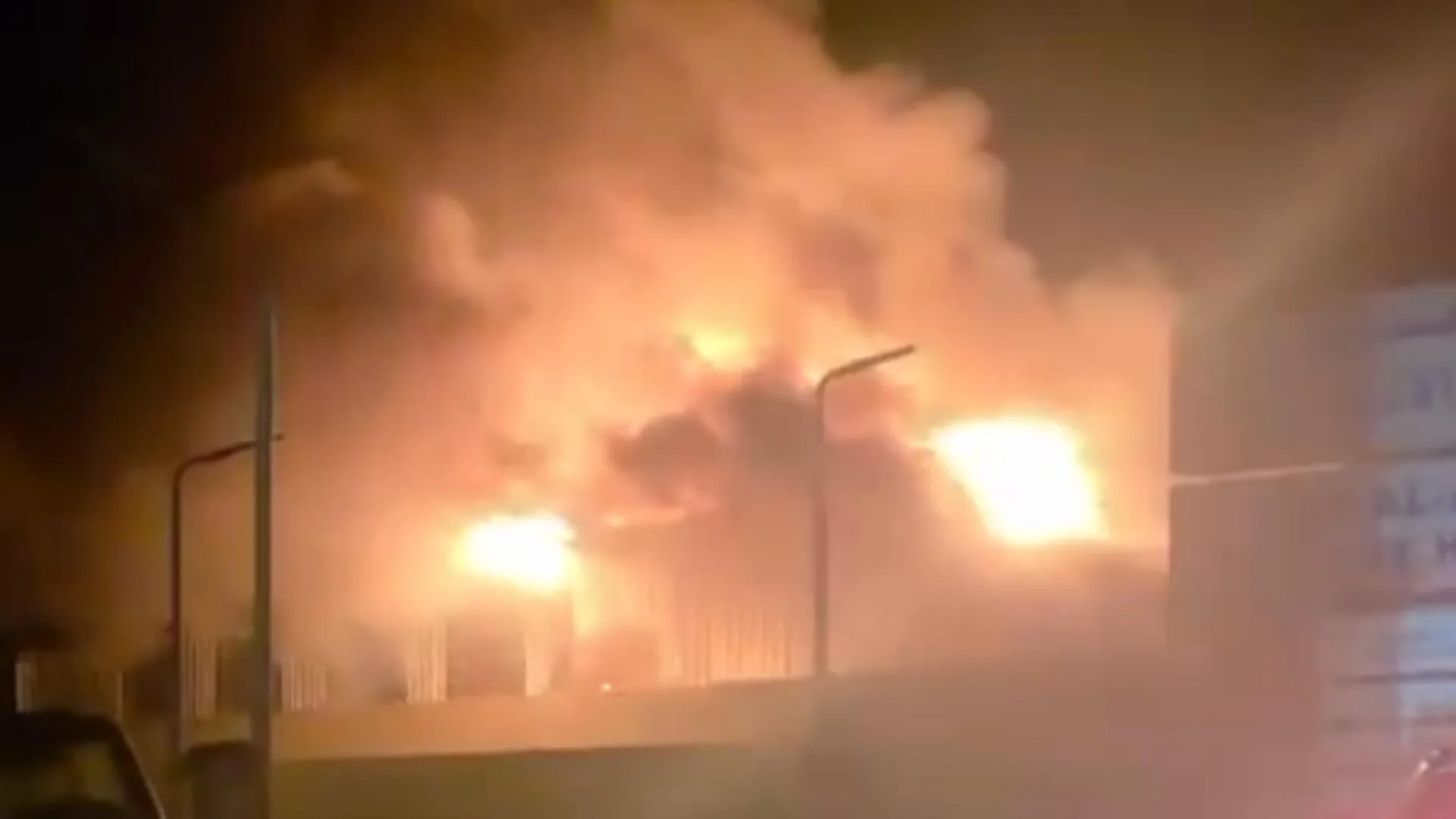
Other seafarers interviewed by the Wall Street Journal recounted terrifying scenes: nearby explosions, fires on adjacent ships, and burns and injuries from attacks. Some vessels have run out of fresh water and medicine, forcing crews to survive on rice alone. A US rescue effort called “Project Freedom” was halted after just 36 hours. Although the US Navy claims it secured a relatively safe passage using AI-based mine-detection technology, many crews still do not feel safe enough to move.
Shipping companies face a staggering 32-fold increase in insurance premiums, reaching up to $8 million for a single large tanker. The International Transport Workers’ Federation has received more than 2,000 assistance requests, half related to unpaid wages and hundreds concerning shortages of food, fuel, and water.
In desperate bids to escape, some ships have changed their flags or switched off their transponders, while others attempt to contact Iran’s Revolutionary Guard through various channels. Scammers are exploiting the chaos, tricking companies into transferring money to cryptocurrency wallets.
“The area has become a war zone, and shipping is being used as a bargaining chip,” said IMO Secretary-General Arsenio Dominguez. “Seafarers are not valued enough and do not receive sufficient attention.”
Shipping experts warn the crisis will deepen in the coming weeks as some shipping firms go bankrupt and medical conditions on board deteriorate.