World
Tehran Reveals Damage Details at South Pars Gas Field and Reconstruction Efforts
Iran's acting oil minister reports that the country lost about 25% of its gas processing capacity due to Israeli strikes, but over half has been restored through rapid on-site repairs.

Hamid Reza Bord, Iran's acting Minister of Oil, announced that his country lost approximately one-quarter of its gas processing capacity, equivalent to 230 million cubic meters, as a result of bombardment targeting oil and gas facilities during the 40-day war against Iran.
Bord stated during an event in Tehran today, Monday, that more than 50% of the damaged production capacity has been rehabilitated so far, noting that work teams are continuing reconstruction operations across three daily shifts.
The Iranian official added that rehabilitation efforts began the day after the bombardment and included the removal of approximately 20,000 tons of debris. He explained that the ministry resorted to repairing damaged equipment and valves on-site rather than waiting for replacements or purchasing new machinery, due to the urgent need to resume production as quickly as possible.
Facilities at the South Pars natural gas field and the Assaluyeh gas processing complex were damaged in an Israeli attack on March 18, 2026, while other strikes hit the Mahshahr petrochemical complex and the Fajr Jam refinery during the war.
In a related context, Bord said that Iranian oil production remains stable, while gas production is showing growth. He noted a 10% increase in gasoline production, continued diesel exports, and the convergence of gasoline production and consumption levels following measures taken by the ministry.
He pointed out that Iran employs specific tactics for selling oil under conditions of war and sanctions, without disclosing details, stating: "These procedures fall under operational methods that are not announced via media outlets."
The Iranian official indicated that negotiations continue with countries, including Azerbaijan, regarding cooperation on gas transit through their territories, alongside ongoing discussions on developing oil fields in the Caspian Sea, emphasizing that the ministry's focus is on increasing production and maintaining export stability.
Latest news

Amazon Acquires Israeli AI Startup Decart in Deal Worth Up to $7.5 Billion
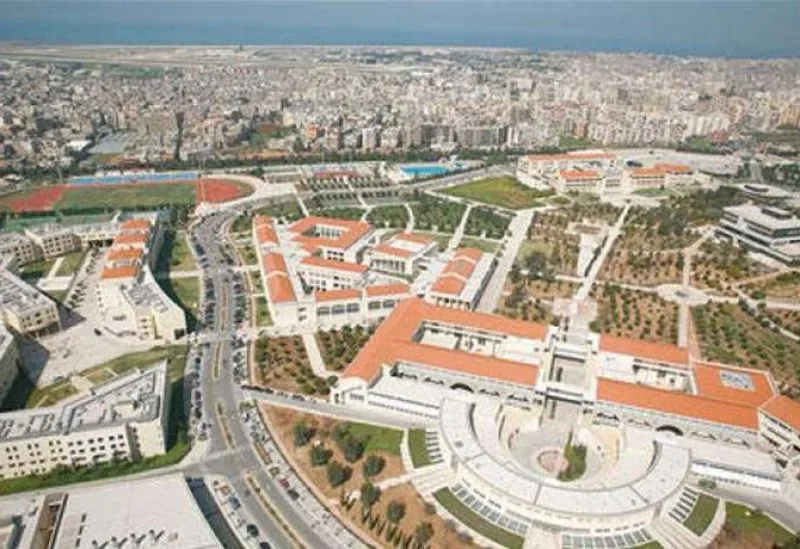
Lebanese University Contracted Lecturers Committee Demands Approval of Tenure File in First Government Session

"I Convinced Them": Trump Reveals How He Intervened to Bring Jensen Huang Back to Nvidia