World
Trump Weighs Assassinating Iranian 'Hawks' to End War
US officials discuss targeted strikes on key Iranian figures to force an end to the war, while Tehran insists on seven preconditions before negotiations.

The NBC network reported that senior US administration officials are internally discussing the option of launching specific military strikes targeting prominent Iranian figures, with the aim of removing officials who insist on ending the war according to Tehran's terms.
According to the report, proponents of the proposal within the US administration believe that targeting these leaders could pave the way for President Donald Trump to end the war and send a message to Tehran that Washington is capable of eliminating senior regime officials whenever it chooses.
Conversely, opponents argue that such strikes could push Iranians to cling to their positions and prolong the conflict, as well as weaken the United States' position in any future negotiations.
On November 21, Trump said that the current Iranian leadership might be "more rational" than its predecessors, but considered reaching an agreement with them still difficult.
In previous statements, he noted that Iran might strike a deal "and then break it the next day," emphasizing that he would work towards a "permanent agreement" ensuring Tehran does not acquire nuclear weapons.
He added, clarifying: "I want an agreement that prevents any incompetent future American president from allowing Iran to possess nuclear weapons."
According to Israeli Channel 12, Israeli Prime Minister Benjamin Netanyahu continues to pressure Trump to launch a new military operation soon.
It quoted two informed sources saying the US president reconsidered the possibility of directing strikes, after describing them last week as "highly unlikely."
These discussions come at a time when the US administration faces increasing complexities in its efforts to end the war, with ongoing disagreements regarding settlement conditions and the future of Iran's nuclear and missile programs.
Washington bets that military and economic pressures may push Tehran to make concessions, while the Iranian leadership refuses to negotiate until its demands are met.
In a notable development, Iranian Parliament Speaker and chief negotiator Mohammad Bagher Ghalibaf announced on Tuesday that his country will not enter negotiations with the United States to end the war before implementing seven Iranian conditions, a stance reflecting the widening gap between the two sides and putting mediation efforts to a new test.
These remarks coincided with continued tensions in the Strait of Hormuz, where reports emerged of three oil tankers sustaining damage due to naval mines and catching fire, while the United States maintains a naval blockade on Iranian ports.
This escalation gives the navigation and energy file additional importance in Washington's calculations, especially amid fears of the confrontation expanding and affecting oil markets and international trade.
Latest news

Iran Targets Non-Compliant Container Ship Near Strait of Hormuz
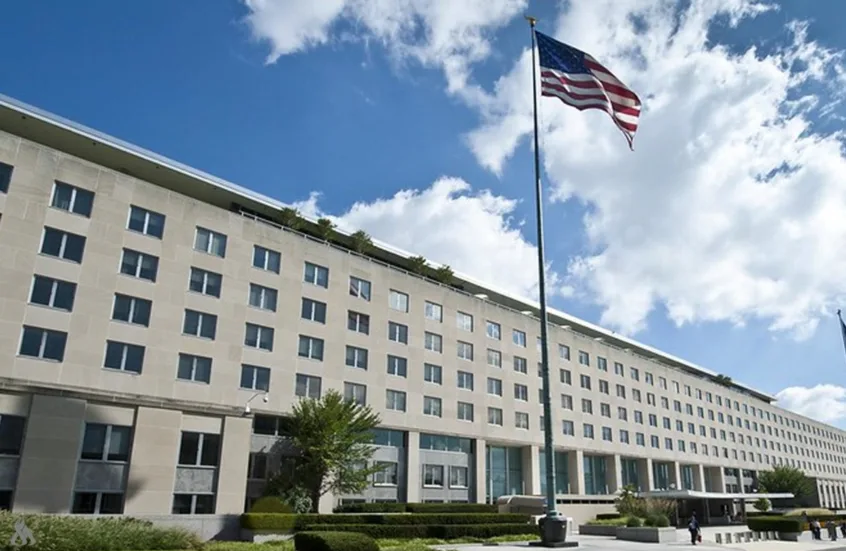
US State Department: Removing Hezbollah from Airports, Ports and Border Crossings Essential for Lebanon's Security and Sovereignty

Strong Lebanon Bloc: We Reject Slander Campaigns Against Residents of Border Villages