Economy
TSMC Board Approves $1 Billion Strategic Investment in Anthropic and OpenAI
TSMC's board has authorized up to $1 billion in equity investments across AI developers Anthropic and OpenAI, marking a shift from pure manufacturing partnerships.

TSMC’s board of directors has greenlit a strategic capital deployment of up to $1 billion into two prominent artificial intelligence firms: Anthropic and OpenAI. This decision, disclosed on November 10th, signals a transition for the world’s largest contract chip manufacturer from solely supplying hardware infrastructure to directly participating in the valuation of the companies driving demand for that infrastructure.
Structure of the Approved Investments
The authorization consists of two separate allocations, each capped at $500 million. The investment vehicle differs for each recipient. TSMC intends to purchase shares in Anthropic at the issuance price during the company’s initial public offering. Conversely, the stake in OpenAI will be acquired through preferred stock instruments.
This move positions TSMC as more than just a vendor. For years, the semiconductor giant has capitalized on the AI boom by fulfilling manufacturing orders for clients such as Nvidia and AMD. By taking equity stakes, TSMC now seeks to capture value from the enterprise growth of the entities creating the demand for its advanced semiconductor capabilities.
Strategic Context and Ecosystem Interdependence
The selected partners hold distinct roles within the AI landscape. OpenAI provides models and services targeting both consumer and business markets, while Anthropic focuses on its Claude models, programming tools, and advanced applications. These companies rely heavily on graphics processors, accelerator chips, and microprocessors produced in TSMC facilities, which are integral components of most modern AI server systems.
While the investment reflects confidence in continued growth for AI chip demand, it introduces complex interdependencies. Chip manufacturers are investing in AI developers, who in turn depend on those same manufacturers for operational hardware. If the AI market’s expansion falls short of projections, financial risks could propagate across multiple links in this supply chain.
It is critical to note that the $1 billion figure represents the maximum approved limit, not necessarily the total amount currently disbursed. Nevertheless, the action underscores that competition in the sector has evolved beyond model development alone. It now encompasses capital allocation, manufacturing capacity, data center infrastructure, and control over the underlying technology stack.
Latest news
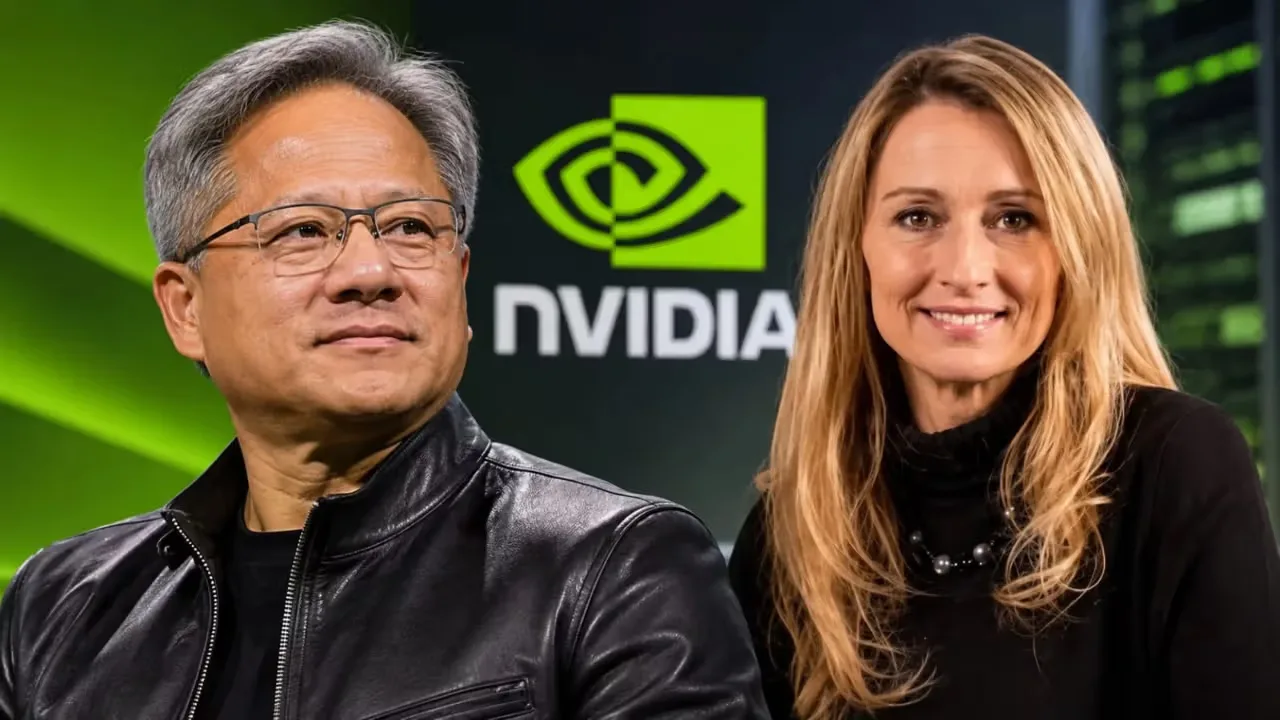
Huang called CFO Kress 'deer in headlights' before exit

Rare Orange Burbot Found in Oswego Harbor During Invasive Species Survey

Zoom and Slack emerge as digital alternatives amid Microsoft outage