Culture & Society
Marathon runner finds orange-sized brain tumour after headaches
Emily Bahan, a 25-year-old marathon trainee, was diagnosed with a grade two diffuse astrocytoma after attributing persistent headaches to insufficient water intake.

Headaches experienced by Emily Bahan during her training for the Edinburgh marathon were initially attributed to dehydration rather than a serious medical condition. The 25-year-old nuclear course leader discovered she had an orange-sized brain tumour only after suffering seizures that led to an MRI scan.
Initial symptoms and training routine
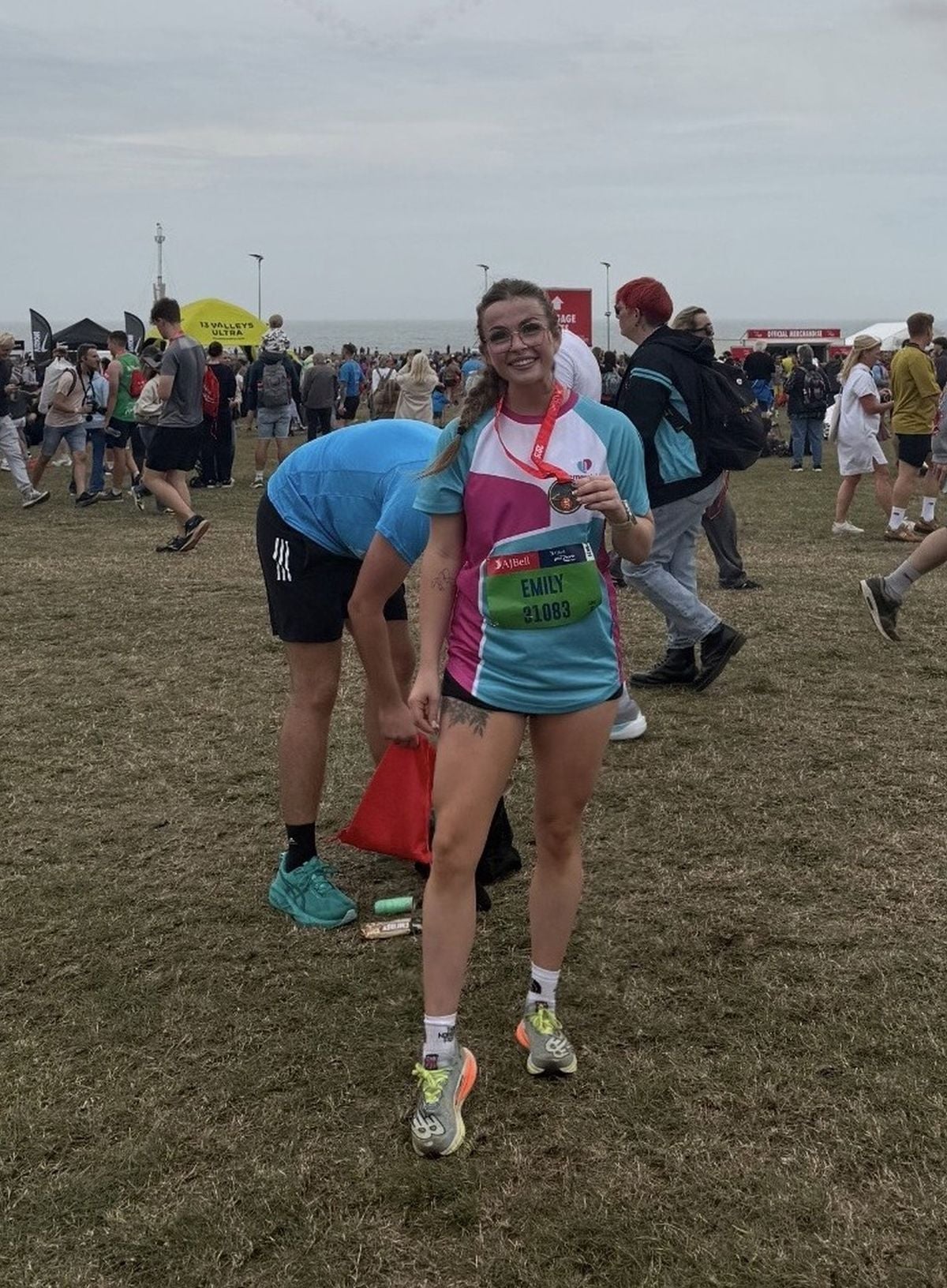
Emily in running gear
Bahan began experiencing dull headaches in January 2025 while preparing for the race scheduled for May 2026. Her regimen included strength training three times weekly and running distances up to 24km [15 miles] multiple times per week. Believing her body could not cope with the exercise volume due to fluid loss, she increased her daily water intake from one litre to between two and three litres. This adjustment failed to alleviate the headaches, which occurred up to three times per week.

Emily posing beside a racecourse winning post
Seizures and diagnostic breakthrough
The situation escalated on March 21 when Bahan was rushed to hospital following a seizure believed to be triggered by norovirus. This incident followed a previous seizure in March 2025, which had been attributed to the flu. To rule out epilepsy, she underwent an MRI scan on June 7. The imaging revealed a 4.5cm grade two diffuse astrocytoma, leading doctors to inform her that she would be unable to run the marathon.
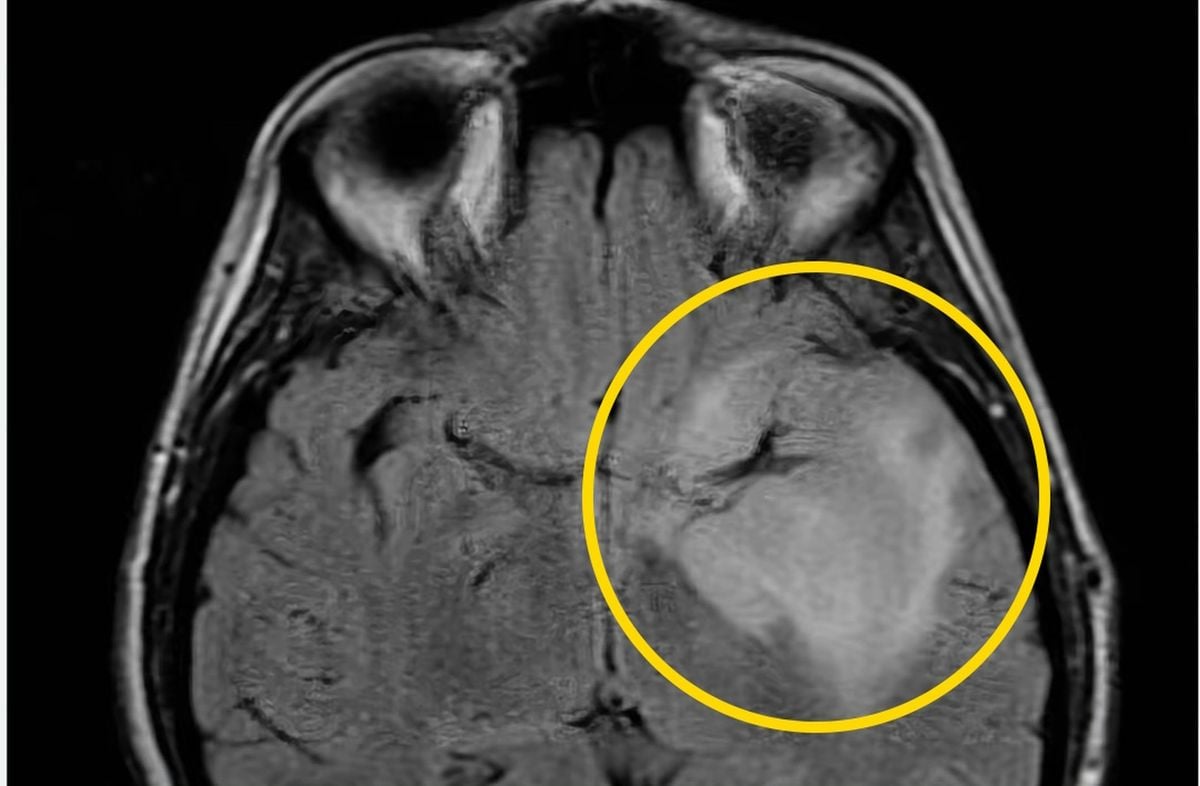
Brain scan revealing massive tumour
Surgery and recovery challenges
Bahan, from Whitehaven, Cumbria, underwent surgery on August 7 to remove as much of the tumour as possible via biopsy. Due to the tumour’s proximity to the movement line for her left side, complete removal was not feasible. Post-surgery, she experienced temporary paralysis on her left side, requiring her to relearn walking and arm usage. She noted that full removal would have caused permanent paralysis.

Emily with a bandage on her forehead
Future treatment and public warning
An MRI scheduled for January 2027 will determine how much of the tumour remains. Starting in early October, Bahan began taking medication intended to slow the tumour's growth. Reflecting on her experience, she emphasized that fitness levels do not prevent such conditions, stating it can happen to anyone at any age. Bahan urges individuals to trust their instincts if they feel something is wrong with their health, wishing she had sought earlier intervention instead of waiting a year for another seizure.
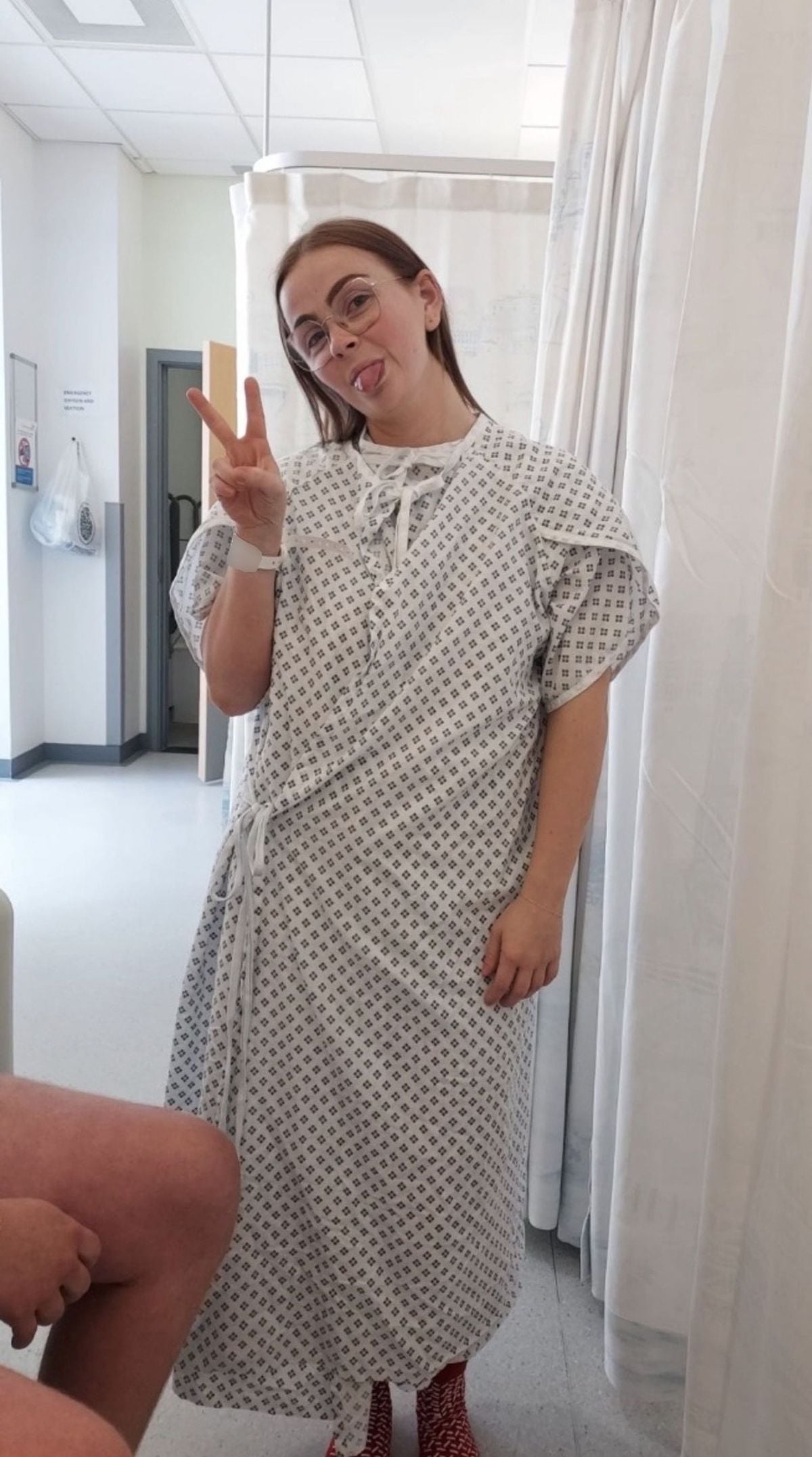
Emily giving victory sign while wearing hospital gown
Understanding brain tumours
A brain tumour involves abnormal, uncontrollable cell multiplication within the brain. Symptoms vary based on the affected area but commonly include headaches, seizures, nausea, speech or vision problems, and progressive weakness or paralysis on one side. Treatment options typically involve surgery, radiotherapy, and chemotherapy, according to the NHS.
Latest news

"Go Home": Trump Attacks Protester Who Interrupted Speech at Rally (Video)

May Not Lower Prices: 'Diesel Deal' Rattles Trump's Ties with Allies at Home and Abroad

Unexploded Ordnance: Silent Volcano in the Galilee Triggers Israeli Alert