World
May Not Lower Prices: 'Diesel Deal' Rattles Trump's Ties with Allies at Home and Abroad
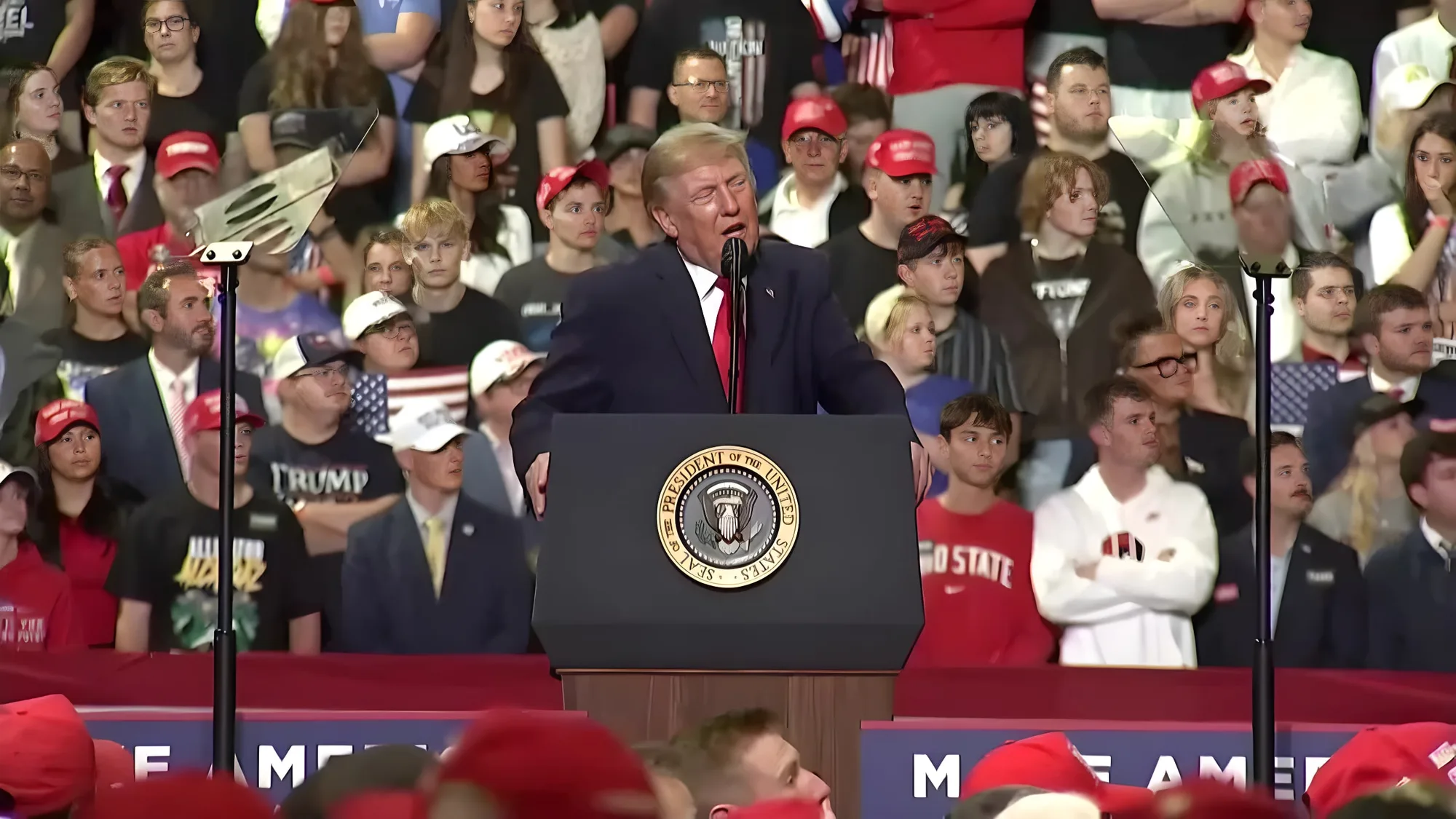
President Donald Trump's deal regarding Russian diesel has triggered legal scrutiny, strained relationships with Republican allies and European leaders, and heightened tensions with Ukraine.

President Donald Trump's deal regarding Russian diesel has exposed the United States to legal scrutiny, created a rift in relations with his Republican allies and European leaders, and exacerbated tensions with Ukraine; all for a result that experts deem unlikely to succeed, according to a Bloomberg report.
Under the agreement—announced late last week—Russian President Vladimir Putin will begin offering diesel supplies in global markets as part of a US effort to lower prices from their record highs ahead of the midterm elections scheduled for November 3. Trump also intensified pressure on Ukrainian President Volodymyr Zelenskyy to halt attacks on Russian refineries and announced an "energy truce" between the two sides.
These decisions and the ceasefire agreement represent a bet that lowering fuel prices will be the best way to win more votes next month, despite the risk of backlash from both allies and political opponents.
On Sunday, a group of senators—including Democrats and Republicans—urged President Trump to "reverse" his plan to strike a diesel deal with Russia.
In a statement issued by these members, they said: "The United States should not give Putin a financial lifeline while Russia continues to kill Ukrainian civilians."
The deal also sparked new tension with Europe, where officials warned it would bolster Moscow's war effort in Ukraine, noting that the United States should have imposed more sanctions instead.
Kaja Kallas, the EU's top diplomat, told reporters in Luxembourg on Monday—ahead of her meeting with bloc foreign ministers—saying: "We call on the United States to impose sanctions so we can actually end this war, and to avoid all consequences resulting from those attacks targeting oil refineries."
There is also the legal challenge; a law enacted in 2022 prohibits the United States from purchasing most Russian energy products. It remains unclear how Trump plans to circumvent this ban, and some legislators—including Senator Roger Wicker of Mississippi—have expressed belief that the deal will not go through.
Trump acknowledged on Monday that neither side had actually committed to halting attacks on the other party's energy infrastructure.
Trump told reporters: "They agreed. Do you know why? Because I said they agreed. And that's why they agreed; because I said they agreed."
Trump added: "I actually think Putin wants a deal more than Zelenskyy does."
Keith Kellogg, the former presidential envoy to Kyiv, downplayed the recent dispute between Trump and Zelenskyy, describing it as mere "noise"; indicating he does not expect it to escalate to a level similar to their famous direct clash in the Oval Office in February 2025.
Latest news

US House Speaker Warns Against Live Broadcast of Nidal Hasan Execution, Calling It a Tool for Recruiting Terrorists
Support Legitimacy Coalition Intercepts Houthi Missile Bound for Riyadh

Half a Ton of Questions on the Dahr al-Baydar Road