Culture & Society
Study finds 54.9% of LGBTQ+ adults in MA faced food insecurity
A new study reveals that over half of LGBTQ+ adults in Massachusetts experienced food insecurity in 2024, with persistent disparities compared to non-LGBTQ+ peers.

Researchers identified a stark disparity in food security among Massachusetts adults, finding that 54.9% of those identifying as LGBTQ+ experienced food insecurity in 2024. This figure stands in sharp contrast to the 33.3% rate observed among non-LGBTQ+ adults during the same period. The data comes from a study published in JAMA Network Open, which analyzed responses from 9,174 participants in the Massachusetts Statewide Food Access Survey between 2022 and 2024.
Disparities persist despite economic adjustments
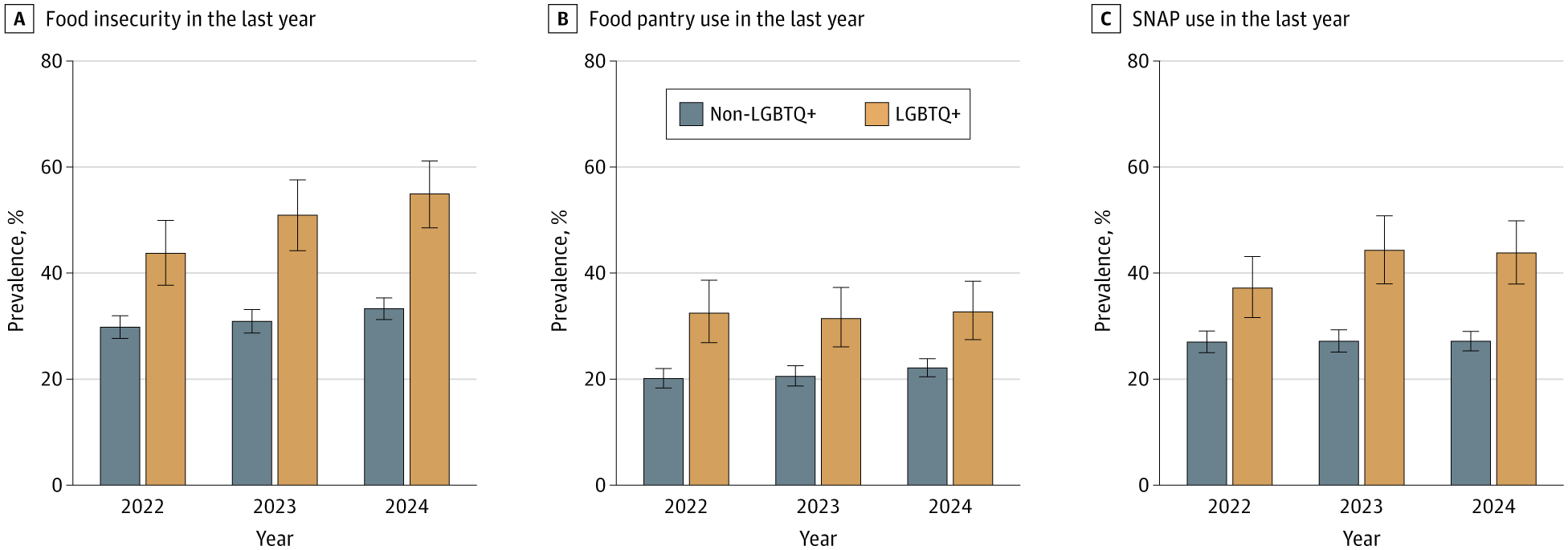
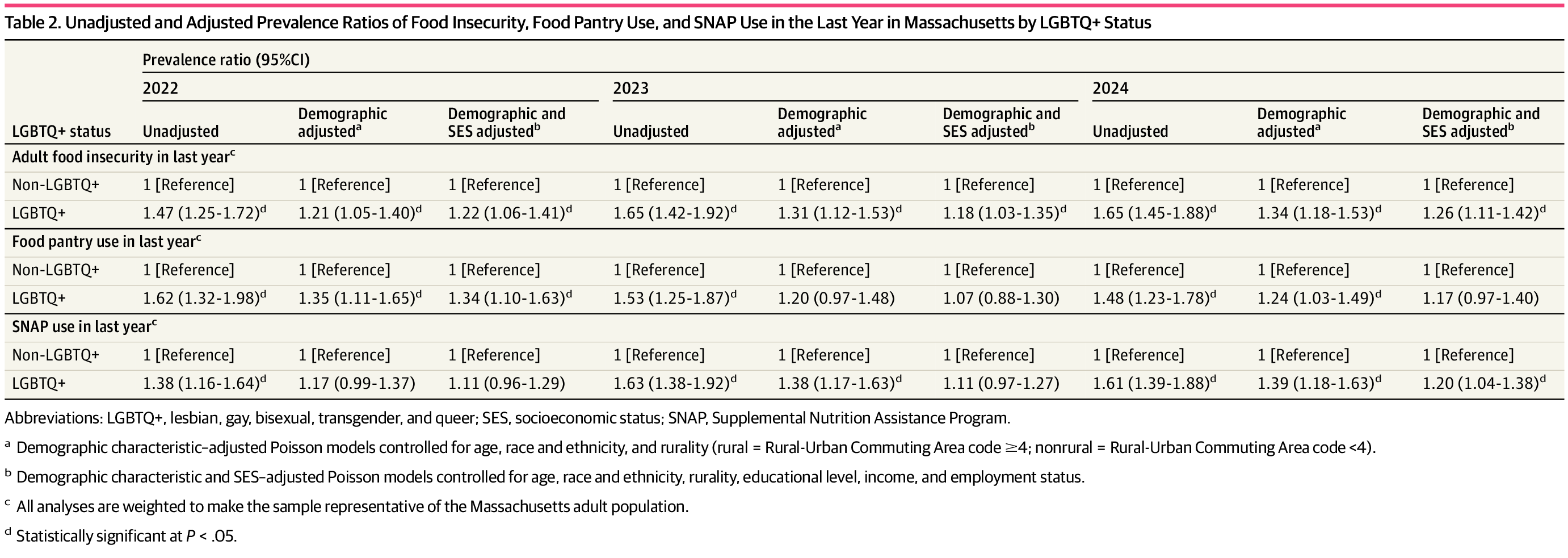
The gap in food insecurity remained significant throughout the three-year study window, even after researchers accounted for demographic and socioeconomic variables. While earlier research had established that LGBTQ+ individuals face higher rates of food insecurity, this new analysis sought to clarify how these trends evolved over time and what specific obstacles hindered access to assistance programs. The investigation covered trends in food pantry usage, participation in the Supplemental Nutrition Assistance Program (SNAP), and barriers to obtaining these resources.
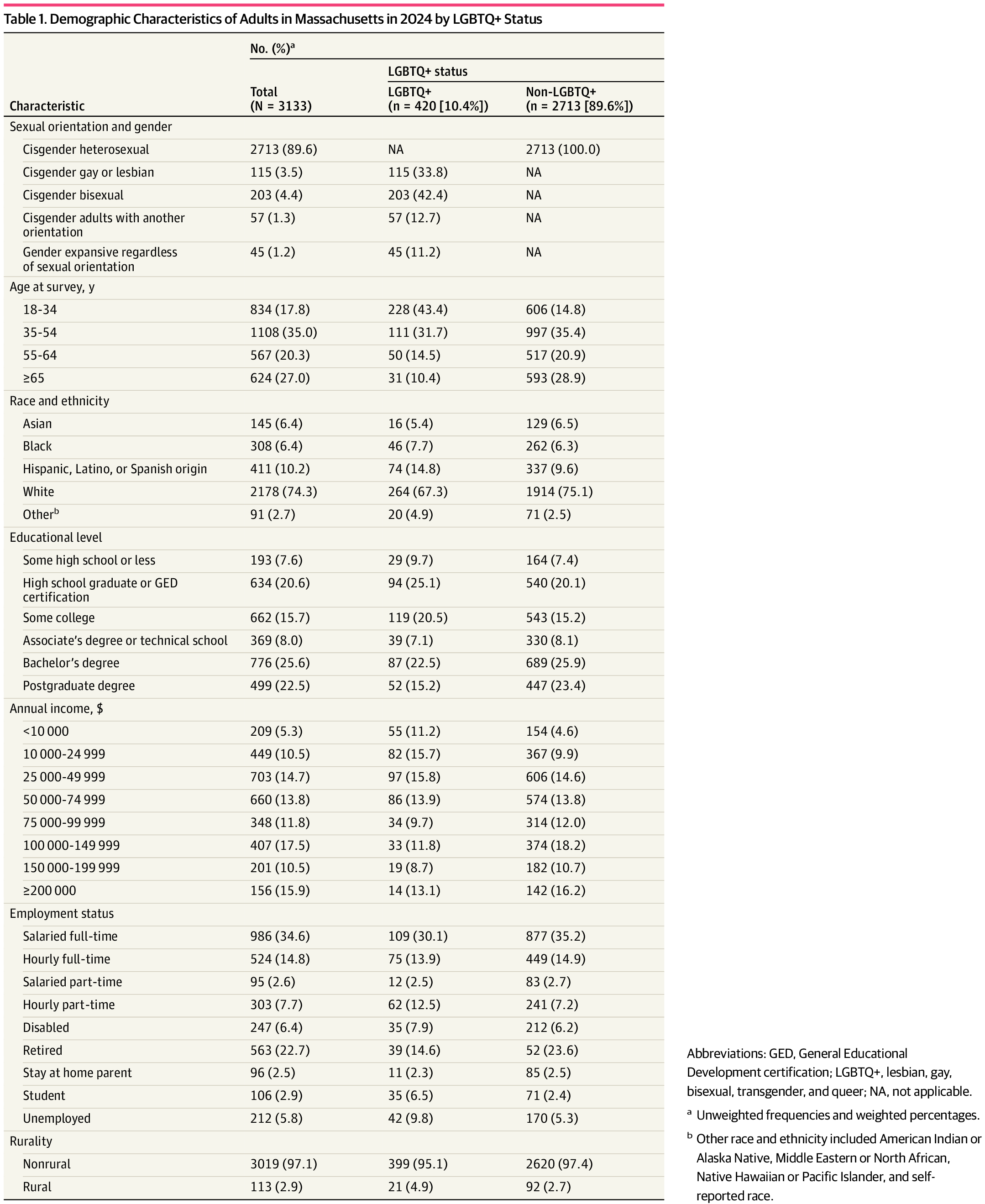
Austin R. Waters, a research fellow at the Harvard Pilgrim Health Care Institute’s LGBTQ Health Center of Excellence and the study’s lead author, noted that income differences alone did not explain the disparity. "Differences in income and other economic factors did not fully explain this gap, suggesting that LGBTQ+ people face additional barriers that put them at greater risk of food insecurity," Waters stated. He emphasized that more than half of the LGBTQ+ adult population in the state struggled with reliable access to affordable, nutritious food in 2024.
Barriers include stigma and privacy concerns
Although food insecurity rose during the study period, the utilization of food assistance programs remained relatively flat. Among LGBTQ+ adults who avoided using food pantries, common deterrents included embarrassment, a desire for self-reliance, and fears about privacy—specifically, concerns that others might discover their use of such services. Several of these barriers intensified over time, creating a disconnect between growing needs and actual program uptake.
"LGBTQ+ adults are facing growing food needs, but they also face barriers to getting help, including embarrassment and fear that others will know they use a food pantry," said Waters. He called for solutions co-designed with LGBTQ+ communities to enhance accessibility while safeguarding dignity, noting the need to avoid further stigmatizing a population already subject to discrimination.
Proposed solutions focus on accessibility
Participants in the survey suggested various methods to improve access to food assistance, including grocery gift cards, home delivery options, curbside pickup, online ordering systems, and support for navigating SNAP enrollment. These recommendations highlight a demand for flexible service models that reduce logistical hurdles and social exposure.
Brittany Charlton, an associate professor of population medicine at Harvard Medical School and senior author of the study, described the findings as evidence of a persistent public health inequity that transcends simple economic stability. "Food assistance programs can play an important role in reducing food insecurity, but they must also address the stigma and logistical barriers that prevent many LGBTQ+ adults from accessing support," Charlton explained. She argued that effective interventions require addressing both the material and social dimensions of food access.
The research team collaborated with the Greater Boston Food Bank and Mass General Brigham to conduct the analysis. As policymakers consider changes to food assistance frameworks amid high household costs, the authors suggest that targeted efforts developed in partnership with LGBTQ+ communities could help close longstanding gaps in food security. Future interventions should aim to make services more inclusive and responsive to the specific needs identified in the study.
Latest news

Princess of Wales to wear Diana-linked tiara at Oman state visit

Kidman honors breast cancer awareness with rare photo of daughter Faith

DJI Mini 5 Pro Fly More Combo drops to $979, lowest price ever