Football
Klopp’s tactical rigidity defines early tenure despite mixed results for Germany
Jürgen Klopp’s initial international matches with Germany reveal a tactical inflexibility despite personnel openness, highlighted by his reliance on counter-pressing and the 4-3-3 formation.

The first international window under Jürgen Klopp yielded mixed results for Germany. While the team displayed greater physicality and combativeness compared to the Julian Nagelsmann era, the outcomes fell short of immediate expectations. A fortunate draw in the Netherlands, an unnecessary home loss to Greece, a victory over Serbia, and a goalless stalemate in Greece marked the period. Despite dominating possession in several fixtures, reaching the Nations League quarter-finals remains distant.
Tactical rigidity versus personnel flexibility
Klopp’s approach suggests he is open regarding player selection but uncompromising on tactics. He utilized 44 players across two overlapping squads, with 36 seeing playing time, including ten debutants. However, all were expected to fit into his established 4-3-3 system, emphasizing counter-pressing and rapid flank attacks. This contrasts with previous DFB setups that often employed a double pivot in midfield.
The shift to two No. 8s and a deep-lying playmaker sparked debate around captain Joshua Kimmich. Initially moved from right-back to the central role, Kimmich was substituted against Greece due to poor performance. His Bayern Munich teammate Aleksandar Pavlovic took over and impressed, leading Klopp to make comments that reignited discussions about Kimmich’s necessity in the squad rather than just his position.
Emergence of Philipp Treu at right-back
Philipp Treu, a 25-year-old SC Freiburg defender, appears to have secured his spot as the primary right-back. Called up during this window, Treu started three times and delivered consistent performances. His emergence addresses a long-standing positional issue for the national team. Unlike other areas where competition remains fierce, Treu’s starting place for the upcoming match in Serbia on November 13 seems relatively secure.
In goal, Marc-Andre ter Stegen was named provisional first-choice but showed inconsistency in Amsterdam. Jonas Urbig, eleven years younger, performed better in two appearances without conceding a goal, though he remains a backup at Bayern Munich. At centre-back, Jonathan Tah and Nico Schlotterbeck struggled against the Netherlands, while Yann Aurel Bisseck and Malick Thiaw offered more solidity in other matches.
Midfield depth and attacking struggles
The midfield offers significant depth beyond Kimmich and Pavlovic. Players like Florian Wirtz, Tom Bischof, Felix Nmecha, Jamal Musiala (currently injured), and debutant Bambase Conte provide options in the half-spaces. Wirtz’s resurgence after difficulties at Liverpool stands out as a key development, with the 23-year-old even captaining the side in Greece.
Conversely, attacking options remain limited. Kai Havertz exited early against the Netherlands due to injury, and replacements Younes Ebnoutalib, Nick Woltemade, and Jonathan Burkardt failed to impress. Despite generating 74 shots across four games and dominating possession in three, Germany scored only three goals, all by midfielders. Future hopes may rest on Under-21 strikers Paris Brunner and Nicolo Tresoldi, or potentially a reconsideration of Deniz Undav, who was omitted from this call-up.
Latest news
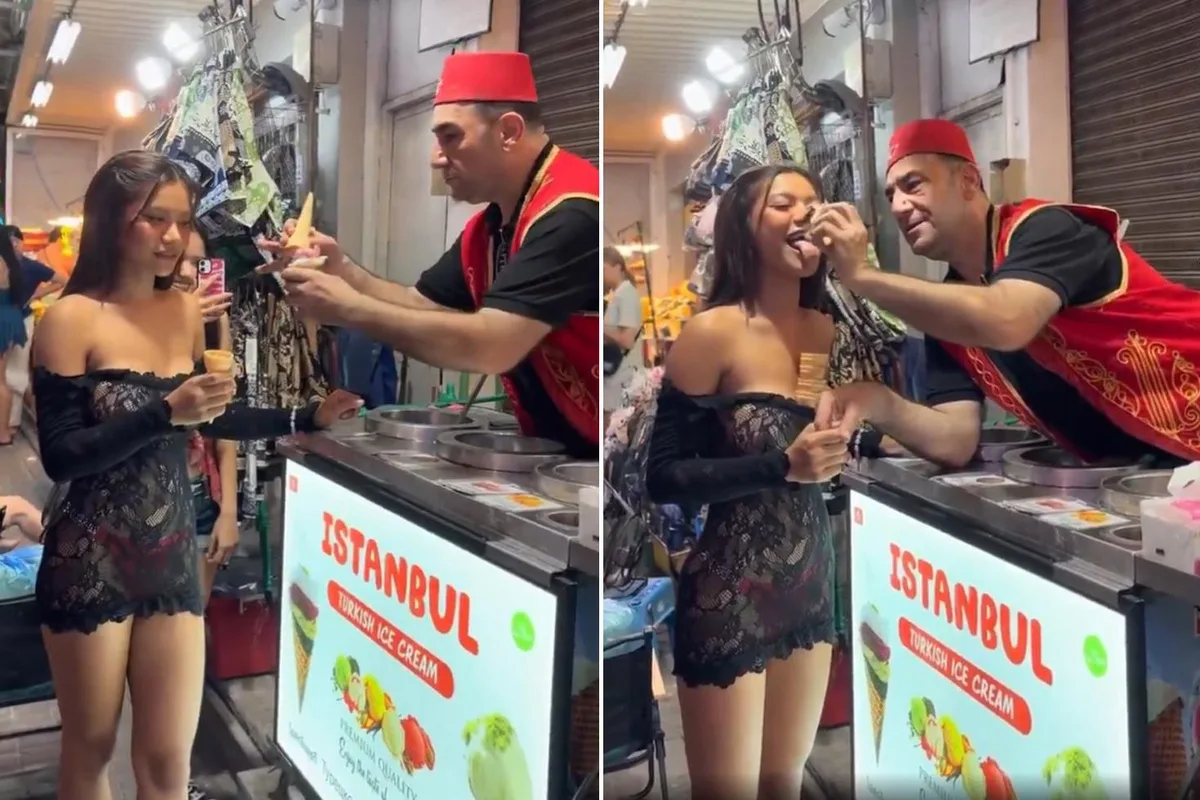
Turist ice cream prank sparks harassment debate in Turkey
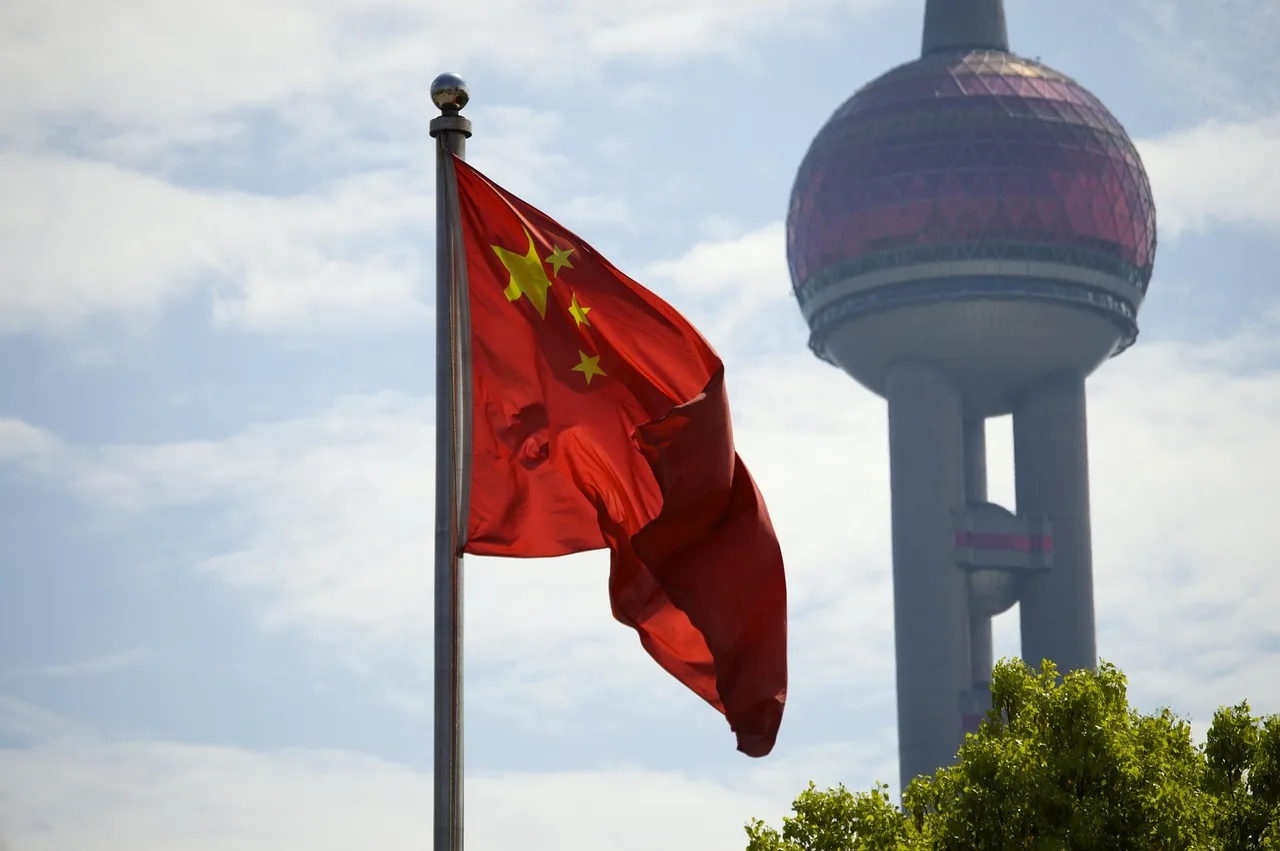
China Closes Over 670 Banks in 2025 Amid Economic Slowdown

Mourinho's warning ignored as Mbappé fuels Bernabéu unrest