Health
Second death reported in Siberia as plague fears grip Irkutsk
A second fatality has been confirmed in Russia’s Irkutsk region amid a suspected pneumonic plague outbreak that has triggered quarantines and international scrutiny.

The Irkutsk Anti-Plague Research Institute of Siberia laboratory assistant Daria Shipilova, 28, died suddenly after reportedly breaking a test tube containing live plague bacteria while collecting samples. This incident follows reports of a second individual dying at the district hospital in Irkutsk after contracting the same illness, intensifying concerns about a potential health crisis in the region.
Quarantine measures expand across region
Hundreds of people have been placed in quarantine or under observation, with several hospitals in Irkutsk closed for weeks. Health watchdog Rospotrebnadzor initially identified the cause as "pneumonia of unknown aetiology," though multiple media outlets and a regional governor had previously claimed Shipilova died from Black Death pneumonic plague. The agency later stated no plague cases were identified among those who contacted Shipilova, noting that approximately 60 per cent of individuals under quarantine have been released.
Panic has extended beyond medical facilities; classes at the Irkutsk branch of Moscow State Technical University of Civil Aviation were cancelled following warnings of a "case of pneumonic plague in Shelekhov." Additionally, around 2,000 workers at the Shelekhov-based Irkutsk Aluminium Smelter have been ordered to wear masks. Russian blogger Ulyana Gavryunina reported that pregnant women were required to complete a 'plague' checklist during check-ups at the Irkutsk City Perinatal Centre, while her mother was barred from entering the maternity ward.
International response and skepticism
US President Donald Trump stated his administration is examining the situation "very strongly" and offered assistance to Vladimir Putin regarding what he described as "disproportionately" stronger pneumonia. Trump remarked, "We just heard about it, and they call it pneumonia... we'll help them." US Secretary of State Marco Rubio indicated the White House is "watching and monitoring" developments closely, citing limited travel between the nations but acknowledging the risk of rapid spread.
Chris Lewis, Director of Global Health Protection at the UK Health Security Agency (UKHSA), confirmed awareness of emergency containment measures in Russia's Irkutsk region. He noted the agency is seeking information through International Health Regulations channels to verify the accuracy of reports concerning the death of an employee at the anti-plague institute. Dr Malick Gibani, a Clinical Associate Professor in Bacterial Vaccinology at Imperial College London, emphasized the importance of biosecurity globally, stating the situation serves as a vital reminder of these risks.
Nature of pneumonic plague transmission
Pneumonic plague is a deadly lung infection transmitted person-to-person via coughs and sneezes, distinct from bubonic plague which spreads through flea bites. Symptoms include high fever, difficulty breathing, coughing, and severe chest infections, potentially leading to respiratory failure within 36 hours if untreated. Dr Gibani explained that early treatment significantly improves outcomes, with post-exposure prophylaxis (PEP) often administered to contacts. The Centres for Disease Control and Prevention (CDC) recommends a short-term course of antibiotics, typically lasting seven days, for individuals who come within six feet of a suspected victim.
While rare in the 21st century, natural plague foci persist in ecological systems where bacteria circulate among wild rodents. In 2023, Mongolia's National Centre for the Study of Zoonotic Infections recorded 137 outbreaks across 17 regions, including areas bordering Russia. Dr Gibani warned that sporadic outbreaks also occur in Madagascar, parts of the Democratic Republic of Congo, and desert regions of the western United States such as Arizona. Historical incidents include a 2016 case involving a 10-year-old boy in Altai, Mongolia, infected while butchering a marmot, and two deaths in 2019 linked to consuming marmot meat.
Suspicions regarding the severity of the current situation have led some to compare it to the early stages of the Covid pandemic. A Russian politics channel, Nezygar, claimed the circumstances in Shelekhov resemble the Wuhan case. A former colleague of Shipilova alleged that doctors treated her symptoms as severe Covid until the end, administering antibiotics too late. Family members reportedly faced restrictions on visiting hospital wards, while medical staff allegedly discussed plague privately. Regional Governor Igor Kobzev described the situation as stable, disputing claims that five local hospitals are in full lockdown.
Latest news

Sectarian Council: Adhere to Ceasefire and Support Southern Resilience

Preliminary Talks Between Washington and Beijing on Mutual Visits to Nuclear Sites
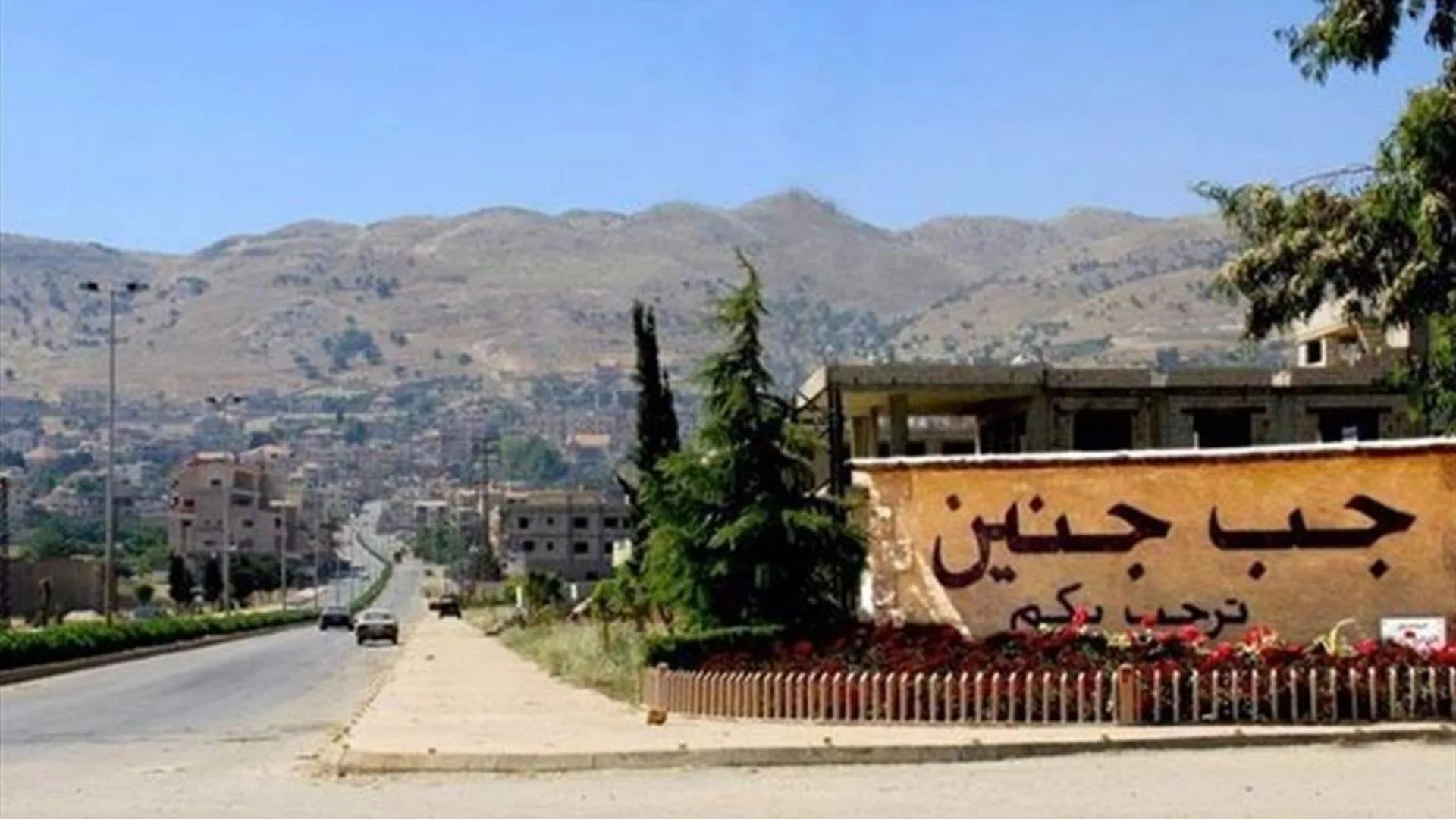
Jeb Jenin Prison Joins General Amnesty Strike