

Health
Tu-Stroma RNA detects early ovarian cancer signs in serum
A new study identifies Tu-Stroma, an RNA molecule in extracellular vesicles, as a superior biomarker for detecting precancerous and early-stage high-grade serous carcinoma.

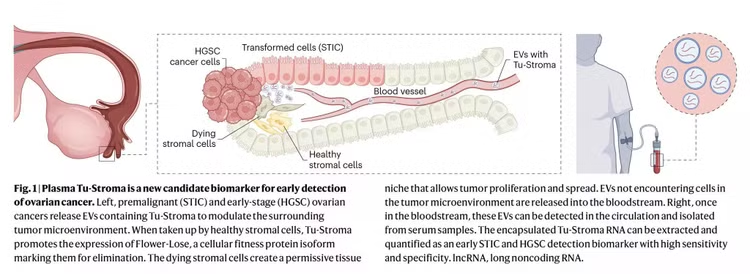
Detecting molecular signals before tumors fully form is the primary goal of recent research into ovarian cancer. Scientists have focused on Tu-Stroma, a long non-protein-coding RNA found within extracellular vesicles circulating in blood serum. These vesicles are small structures released by cells that transport proteins, lipids, and genetic material into the surrounding environment.
The role of Flower-Win/Lose signaling
According to the study authors, Tu-Stroma participates in the Flower-Win/Lose signaling pathway. This system governs competition between tumor cells and healthy cells within the tissue microenvironment. Precancerous cells can weaken neighboring healthy cells through this mechanism, which facilitates the development of lesions.
Focusing on high-grade serous carcinoma
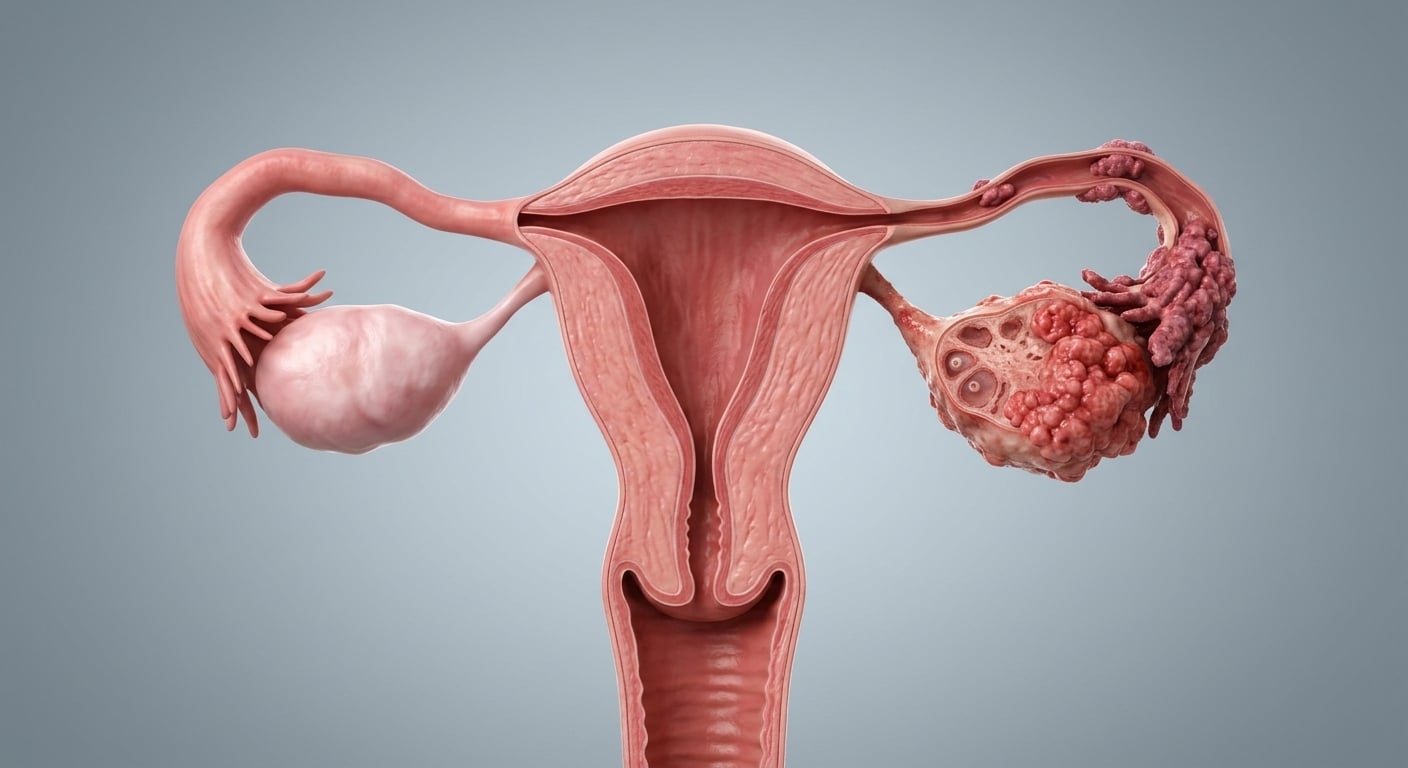
The investigation centered on high-grade serous carcinoma (HGSC), the most prevalent form of ovarian carcinoma and the leading cause of death associated with the disease. A key characteristic of HGSC is its origin from a precancerous lesion known as STIC, located in the fallopian tube epithelium. STIC is a non-invasive lesion detectable via histopathological analysis after obtaining a fallopian tube tissue sample.
1-s20-s1525157824002083-gr1-lrg.jpg
Evaluating serum samples across groups
Researchers evaluated Tu-Stroma levels in serum samples from 506 individuals. The cohort included 143 people with normal uterine adnexa, 88 with benign lesions, 43 with STIC, and 232 patients diagnosed with high-grade serous carcinoma at various stages.
Superior differentiation compared to CA125
Data indicated that Tu-Stroma concentrations in serum extracellular vesicles were significantly higher in both the STIC and HGSC groups than in the healthy control group or those with benign lesions. When compared against CA125, a biomarker commonly used in ovarian cancer evaluation, Tu-Stroma demonstrated better differentiation across multiple control groups.
hwxf0lwbyaa8r-n.jpg
Implications for premenopausal women
The study highlights potential applicability for premenopausal women and those at high risk for ovarian cancer. In premenopausal subjects, Tu-Stroma retains the ability to distinguish STIC lesions and early-stage cancers from non-malignant conditions. This capability is significant because women with high genetic risk, such as carriers of disease-causing variants in the BRCA1 or BRCA2 genes, often face decisions regarding prophylactic oophorectomy—the removal of ovaries and fallopian tubes—as a crucial risk reduction measure. Such surgery has long-term impacts on fertility and endocrine function.
Limitations and future validation
A blood test capable of detecting precancerous signs before lesions develop would supplement information for risk assessment and intervention selection. However, current research has not proven that the Tu-Stroma test can replace preventative surgery or existing monitoring methods. If confirmed by further studies, Tu-Stroma could become an important tool in strategies for the early detection of ovarian cancer, particularly among high-risk women.
Latest news

Jet Fuel Shortage Threatens Collapse of NATO Defenses in Large-Scale Conflict

16 Water Bottles Disrupt Zelensky-Trump Envoy Meeting in Dublin

Lawsuits seek to halt AI development at OpenAI, Google, and Anthropic
