·
·


Lebanon
Lebanese Speaker Nabih Berri warns against sectarian strife as Israeli media react to US-mediated Lebanon-Israel framework agreement.

Lebanese Parliament Speaker Nabih Berri urged his compatriots to exercise restraint amid rising tensions, warning against "sedition" by stating, "My people in Lebanon, all of Lebanon, this is sedition... Be like the son of the lemon tree in sedition—neither a back to be ridden nor a udder to be milked."
Following the announcement of a US-brokered framework agreement between Lebanon and Israel on Friday evening, Israeli media outlets expressed widespread relief.
Channels 12 and 13, along with the newspaper Yedioth Ahronoth, quickly hosted a range of military and political analysts. Some described the deal as "excellent" and a "successful strategic step," highlighting that it establishes a balance linking Israel's withdrawal from southern Lebanon with the dismantling of Hezbollah's military capabilities by the Lebanese Army.
In a notable analysis, a military analyst on Channel 13 suggested that an internal conflict in Lebanon is likely to erupt. He argued that Israel could benefit from igniting confrontation between the official state institutions and the armed group, adding that this scenario "may have been the intended goal from the start," according to his expression.
Earlier the same day, Speaker Nabih Berri cautioned Lebanese citizens against falling into "sedition," calling for self-control with the words: "My people in Lebanon, all of Lebanon, this is sedition... Be like the son of the lemon tree in sedition—neither a back to be ridden nor a udder to be milked."
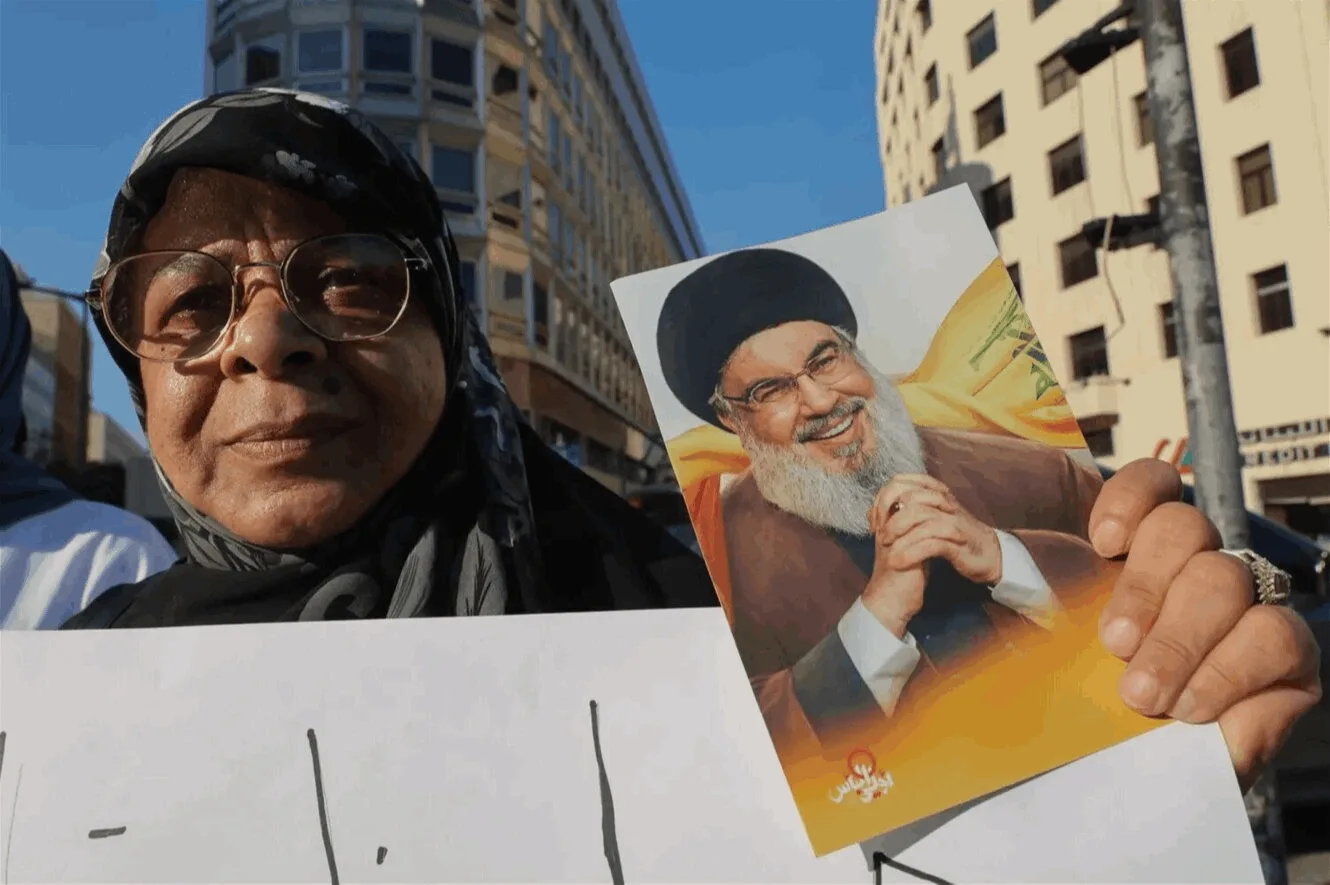
This warning came amid growing polarization and tension within Lebanon, as Hezbollah supporters took to the streets of Beirut on Friday night to protest government decisions.
Israeli Prime Minister Benjamin Netanyahu appeared in a recorded address, vowing not to relinquish the "security belt"—also referred to as the "red line"—as long as Hezbollah remains armed. He stipulated that the deployment of Lebanese forces should begin in specific areas based on consultations with the Israeli military, with the initial phase set to take place in two trial zones, according to Israeli media reports.
In this context, Channel 12 correspondent Elmog Buchar expressed skepticism regarding the effectiveness of the agreement's provisions. He emphasized that the success of the trial depends on on-the-ground realities, particularly the Lebanese Army's ability to operate freely in southern regions. He reminded viewers that Hezbollah will not relinquish its arsenal and that the Beirut government lacks the capacity to dismantle the group.
Buchar stated that alongside the American and Lebanese commitment to the "red line," Israel must retain the right to freedom of movement. He elaborated that this operational freedom includes dismantling emerging threats, targeting and preventing Hezbollah's attempts to regain strength and armaments, not merely responding to attacks against soldiers or towns.
Meanwhile, Yedioth Ahronoth clarified that the Israeli army will maintain its presence in the newly established buffer zone and will not withdraw from strongholds such as the Shqif Castle. The newspaper noted that the return of Lebanese residents to their homes will not proceed under the current framework. It also indicated that the Lebanese Army is obligated to destroy military infrastructure at designated points, and any extension of the withdrawal depends on the fulfillment of obligations as assessed by the Israeli military.
In addition, Moshe Davidovich, head of the Mateh Asher Regional Council, expressed concerns in an interview with Channel 12 about hastening troop withdrawals. He argued that the army's presence on the frontline remains essential for protecting northern towns, especially given the absence of an international force capable of enforcing disarmament. He added that the threat will persist as long as Hezbollah maintains its military presence.
From another perspective, Israeli public radio connected the potential success of the agreement with the possibility of achieving comprehensive peace with Lebanon, contingent upon ending Iranian influence within the country.