Lebanon
Lebanon Central Bank Governor: Breakthrough Imminent on 'Gap Law'
Lebanon's central bank governor Karim Saeed anticipates a breakthrough by year-end in IMF talks regarding the financial gap law, aiming to restore depositor funds and secure a potential loan.

Lebanon's central bank governor, Karim Saeed, expects a breakthrough by the end of the year in talks with the International Monetary Fund (IMF) regarding a law that defines the mechanism for repaying depositors whose savings were frozen due to the country's financial collapse, amid widespread debate over it.
Reaching an agreement on what is known as the "financial gap law," which would enable depositors to recover tens of billions of dollars stuck in the banking sector, constitutes a decisive step in Lebanon's negotiations with the IMF for a potential loan.
Under the proposed framework, the Banque du Liban, the government, and local commercial banks will repay depositors' funds over a specified period.
Saeed revealed that talks with the IMF are progressing at a good pace, in an exclusive interview conducted by April Hong of Bloomberg, within the "Middle East and Africa Perspectives" program.
How does the agreement with the IMF support the financial gap law?
"I am very confident that we will reach a consensus with the IMF and the government before the end of the year on the principles that need clarification in the law," Saeed affirmed in the interview.
He added that this consensus "will make the implementation of the law more robust, provide it with greater legal protection, and thus facilitate its passage when referred to parliament."
The remarks came from Saeed on the sidelines of the IMF annual meetings in Bangkok, Thailand. He expressed hope that parliament, which has witnessed disagreements on how to address the issue of deposits, will approve the law "no later than mid-2027."
Lebanon defaulted in 2020 on international bonds worth approximately $30 billion, amidst the worst economic crisis it has seen since the nineteenth century. Investors view cooperation with the IMF as a necessary step to drive the path of economic recovery.
The path of economic recovery in Lebanon faces potential complications given the country's involvement in the US-Israeli war on Iran, alongside the risk of another war launched by Israel in Lebanon aimed at neutralizing the armed group Hezbollah, supported by Iran.
In the years preceding the collapse, Lebanese banks deposited massive amounts in dollars with the central bank. However, this policy collapsed in 2019, with foreign financial flows drying up and the peg of the lira to the dollar breaking down. The central bank was unable to repay the funds owed to the banks, leading to an ongoing dispute between the two parties.
Saeed considered that reaching an understanding with the IMF "will send a very positive signal regarding the existence of a framework and roadmap." He added that the approval of the law in parliament will constitute, as hoped, "one of the important milestones that will pave the way for signing an expert-level agreement."
What are the IMF conditions for approving the recovery plan?
Lebanon and the IMF signed an expert-level agreement in 2022, but the country faced difficulties in meeting the required conditions.
According to Saeed, the IMF demands clarification of certain aspects of the law, including providing a "very clear picture of the liquidity available in the banking system," ensuring a "reliable" timeline for repaying deposits. The Banque du Liban, the IMF, and the government are currently assessing expected liquidity levels over the next few years.
He explained: "We prefer to present a precisely defined amount, even if it is lower, rather than making promises beyond our ability to fulfill." He added: "The last thing we want is to go through a second default situation."
Saeed estimated the Banque du Liban's liabilities towards the banking sector at approximately $79 billion, noting that about a third of this amount may be subject to objections "due to violations and irregularities," placing the net amount likely to be repaid to depositors at around $50 billion.
He also noted that the IMF "shows almost no preference regarding the timeline or the amount to be repaid, as long as the funds are available."
The Banque du Liban asserts that the Lebanese government also owes it financial amounts. Saeed said the central bank can show "great flexibility in the way we demand these funds, but we want to recover them fully and use them to repay depositors' money."
Latest news
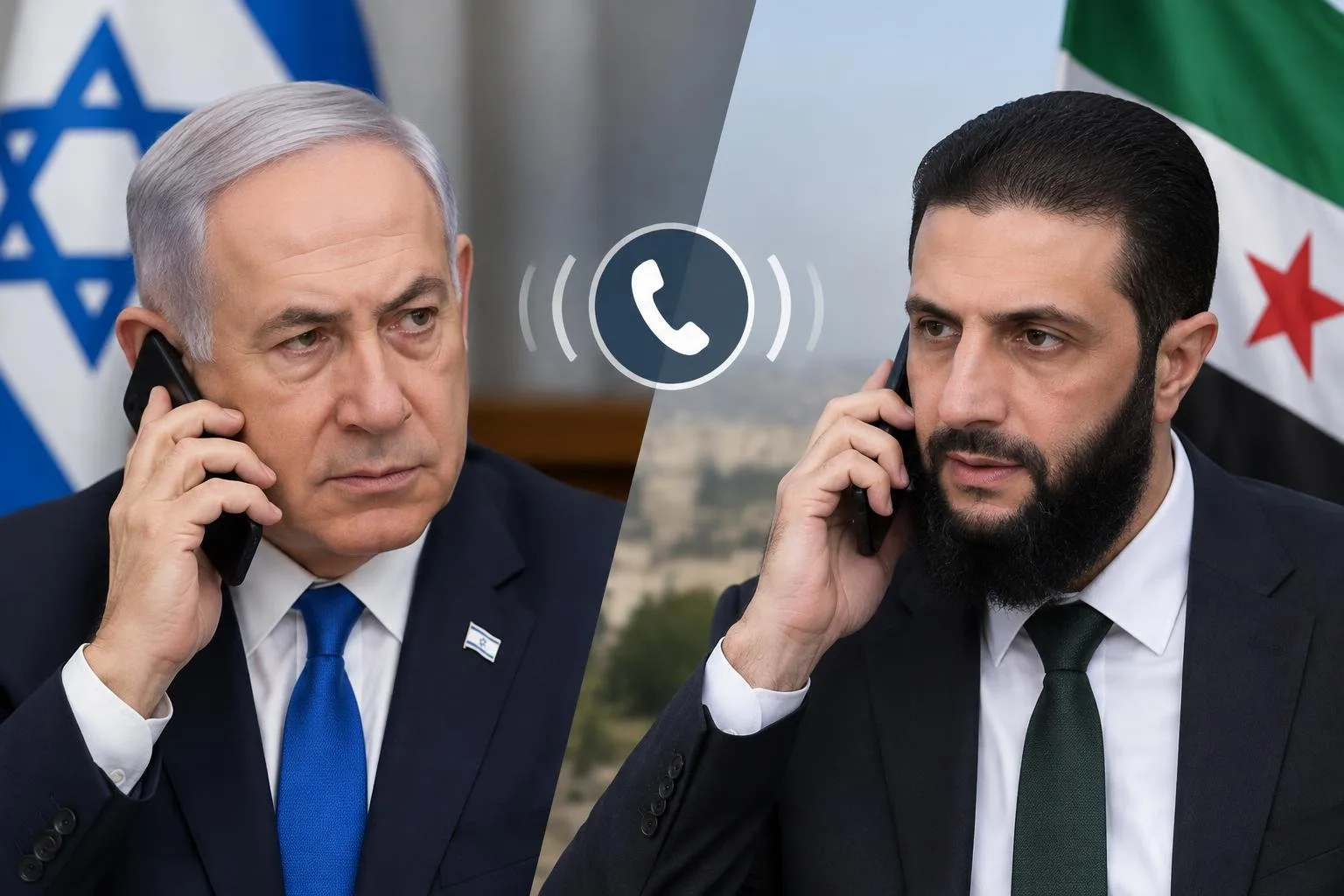
Netanyahu Reveals Phone Call with Syrian President Ahmed al-Sharaa
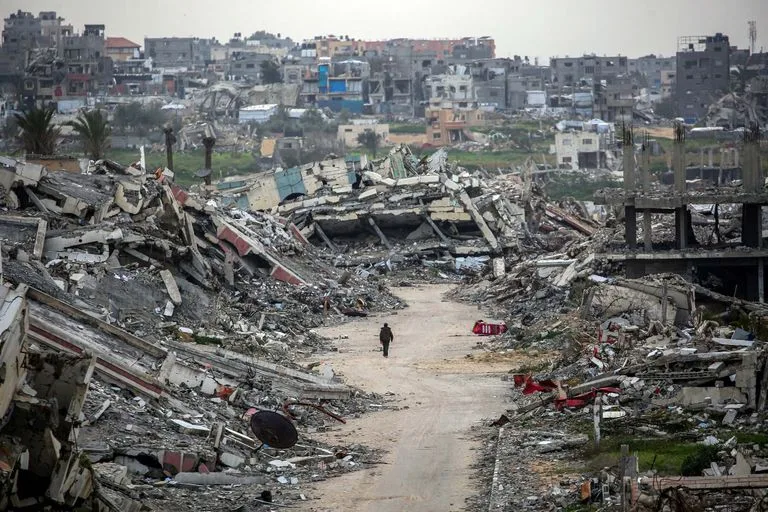
Dispute over Hamas fees halts commercial supplies from Israel

Syria: Jabisa Gas Export Pipeline Targeted, Fire Breaks Out