Lebanon
Salam: We Want to Preserve Beirut as a Space for Openness and Encounter
Prime Minister Nawaf Salam inaugurated the Patriarch Ignatius IV Park in Beirut, emphasizing the city's role as a hub for diversity and communal living.

Prime Minister Nawaf Salam delivered a speech at the inauguration of Patriarch Ignatius IV Park, stating:
"It gives me great pleasure to be with you today, here in this beloved neighborhood of Beirut, to inaugurate this public park after its renovation. It bears the name of Patriarch Ignatius IV Hazim. This is an occasion where we honor a man who loved Beirut and left a profound impact on it, and where we return to the people of this precious city a place linked to the memories of generations among them. The Beirut Municipality did well by naming what was known as Sioufi Park after Patriarch Ignatius IV, and I am very happy with this designation. Patriarch Ignatius is a Lebanese-Syrian spiritual figure whom Lebanese and Syrians remember with love and appreciation. Some remember the shepherd who cared well, while others recall his legacy in institution-building, of which Beirut has witnessed some. Others admire the wisdom and courage he combined, or recall his sincere words and sermons, including his impactful address at the Islamic Summit Conference in 1981, where its leaders dubbed him 'The Patriarch of the Arabs,' similar to his predecessor Patriarch Gregorius IV Haddad.
Ignatius Hazim came from the town of Mhardeh, adjacent to the Syrian city of Hama, and from a family that loved knowledge. As a youth, he joined the International College in Beirut, from where he moved to the American University to study philosophy, then traveled to pursue higher studies in Paris. Afterwards, he returned to Beirut, which became like his own city, spending many years there in education, teaching, and guidance. Many of you know the Orthodox Annunciation College, which originated in the heart of Achrafieh and grew through Father Ignatius's effort, opening its doors to the children of Beirut regardless of their affiliations. Thus, it embodies a longstanding tradition of this city, where belonging to the community does not contradict openness to others, but rather enriches and strengthens coexistence. The children of the church served by Father Ignatius were, and remain, an integral part of Beirut's fabric, in their belonging to it, their openness to all its people, and their adherence to Lebanon as one homeland for all its sons. Beirut did not leave him after his move to Damascus; rather, he continued to return to it with constant longing. Thanks to his long residence there and service to it, he became Lebanese, carrying his Lebanese identity with him to Syria, just as he carried Lebanon's concerns and issues to the world.
Patriarch Ignatius was known for his ability to combine the ethics of faith and firm convictions with the ethics of care and responsibility. If responsibility required practical dealings with rulers and influential figures, his convictions prevented him from submitting to them or supporting their tyranny.
He remained loyal to his attachment to freedom—not only religious freedom, but people's freedom to shape their destinies. He never confused sectarian matters with ecclesiastical ones. He believed in a church that is a gift of love to its people, sharing their pains and aspirations, and called for overcoming sectarian biases that exaggerate differences and distance the children of the same land and homeland.
I am not here to introduce you to the biography of Patriarch Ignatius, which is known to many of you, but rather so that we may together remember some of what he was and what he represented, and to affirm my affection for all those who love him and follow him. Perhaps one of the most beautiful aspects of naming this park after him is that it is an open space for everyone, regardless of their ages and affiliations. This aligns with what he believed in regarding openness and encounter between people, and with what we love in Beirut and want to preserve from its identity. This park holds a special place in my city's memory. Perhaps many of you keep beautiful memories of it, from childhood days, or times spent there with your children or friends. How wonderful it is that it regains its vitality today, returning to being a place where people meet and create new memories. The Beirut we love needs, amidst its congestion and noise, more green spaces where we can catch our breath and meet one another. Parks are not merely trees, pathways, and benches. They are part of people's lives, and part of their right to their city. They are places for gathering, shared by people of different ages and backgrounds away from the city's hustle.
I salute every effort, whether public, private, or through partnership, that contributes to protecting and expanding these spaces. May this park remain a place where the people of Beirut meet, and may Beirut, as Patriarch Ignatius loved it, remain a vibrant, renewed, and inclusive city. Congratulations to you, and to all Beirutis and Lebanese, on the Ignatius IV Park.
Latest news
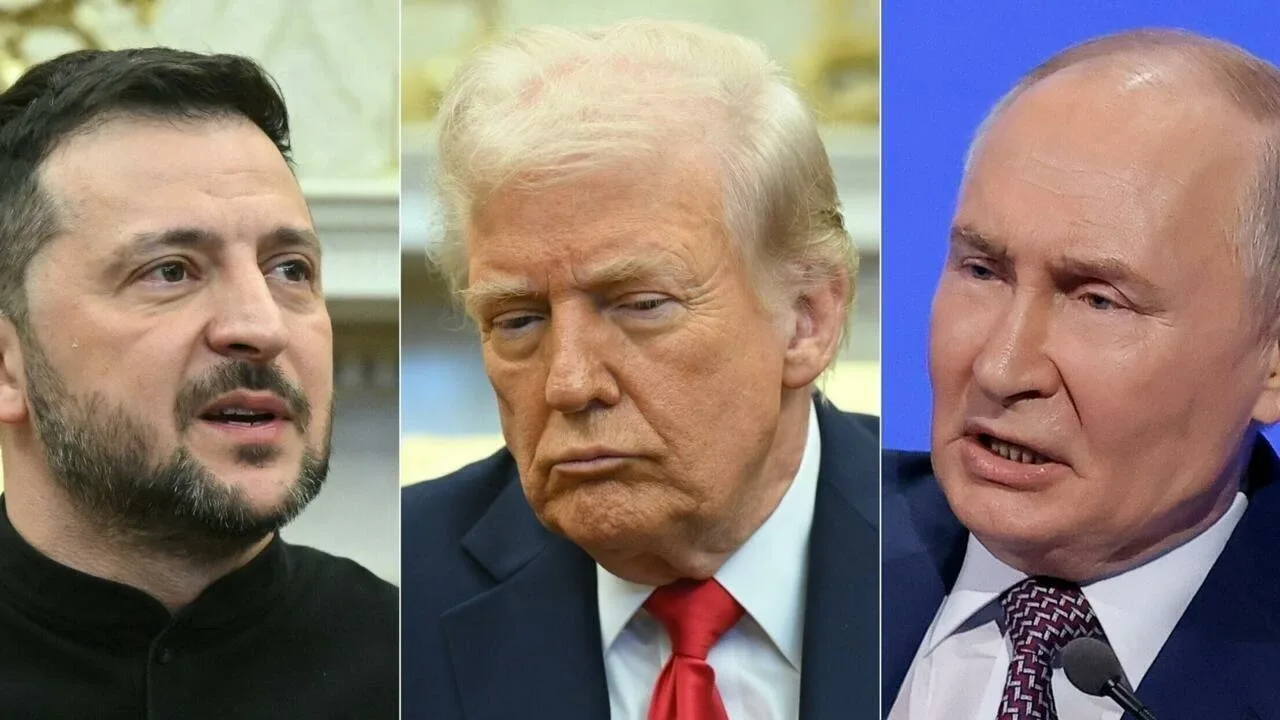
Zelenskyy Proposes Trilateral Meeting with Russia and US During G20 Summit
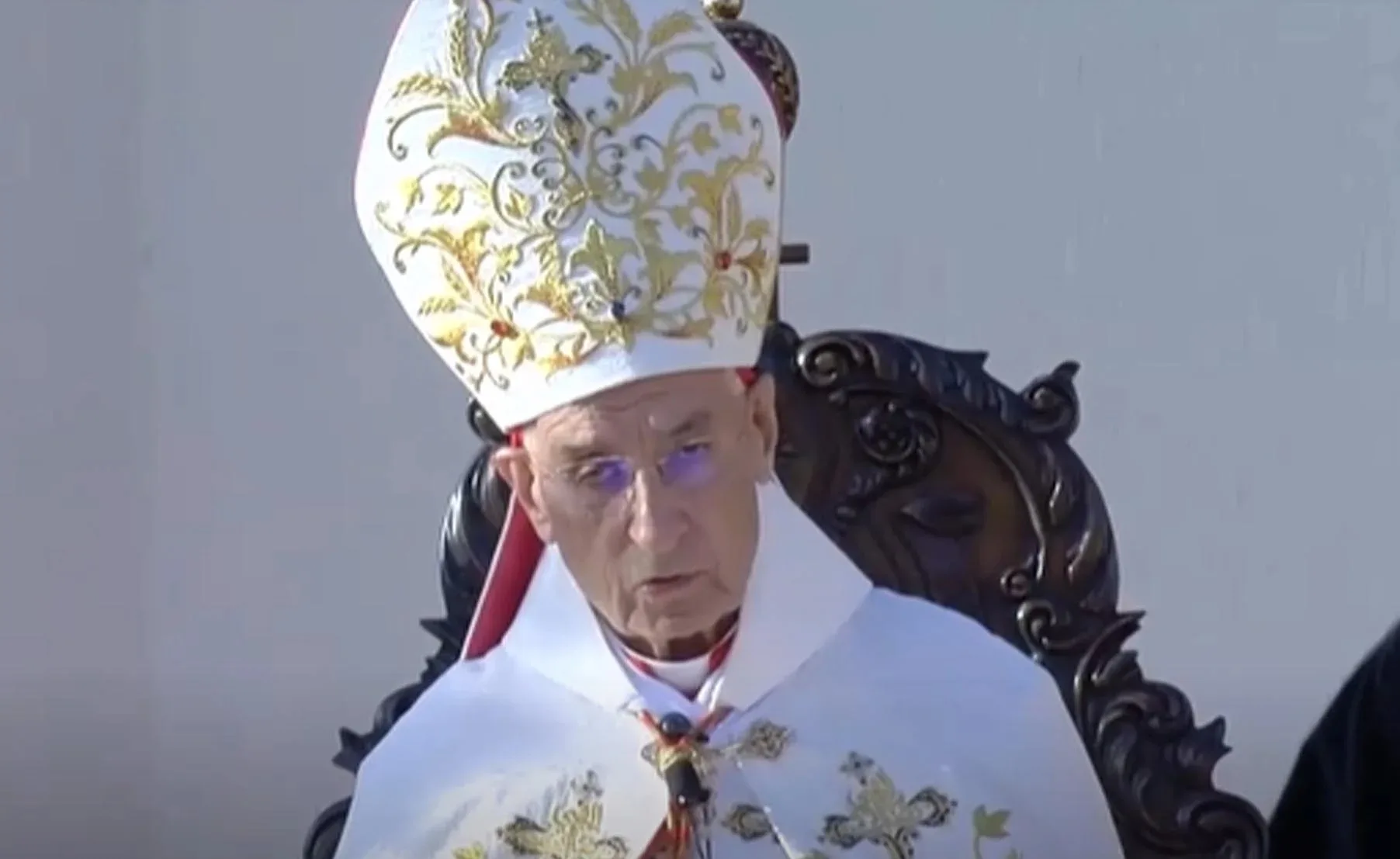
Rai Praises Mount Athos Heritage and Criticizes State Neglect of Qadisha Valley

After the Low-Pressure System: When Will Weather Stabilize in Lebanon?