Lebanon
UNIFIL Responds to Israeli Accusations: Our Mandate Does Not Include Inspection or Forced Disarmament
UNIFIL spokesperson Candice Ardel rejects Israeli claims of mission failure, clarifying that the peacekeeping force's mandate does not include searching private property or forcibly disarming Hezbollah.

Israeli accusations have pursued the United Nations Interim Force in Lebanon (UNIFIL) as its mandate nears expiration on December 31, 2026. What was the UN force's response?
The Israeli army accused the UN force of "failure" in performing its mission, following its announcement of finding weapons depots and combat equipment belonging to Hezbollah at sites close to UN premises.
Candice Ardel, UNIFIL spokesperson, stated in an exclusive interview with Al-Ain News that the responsibility for implementing UN Security Council Resolution 1701 lies with Lebanon and Israel, emphasizing that UNIFIL's mandate does not include inspecting private property or forcibly disarming Hezbollah and other armed groups.
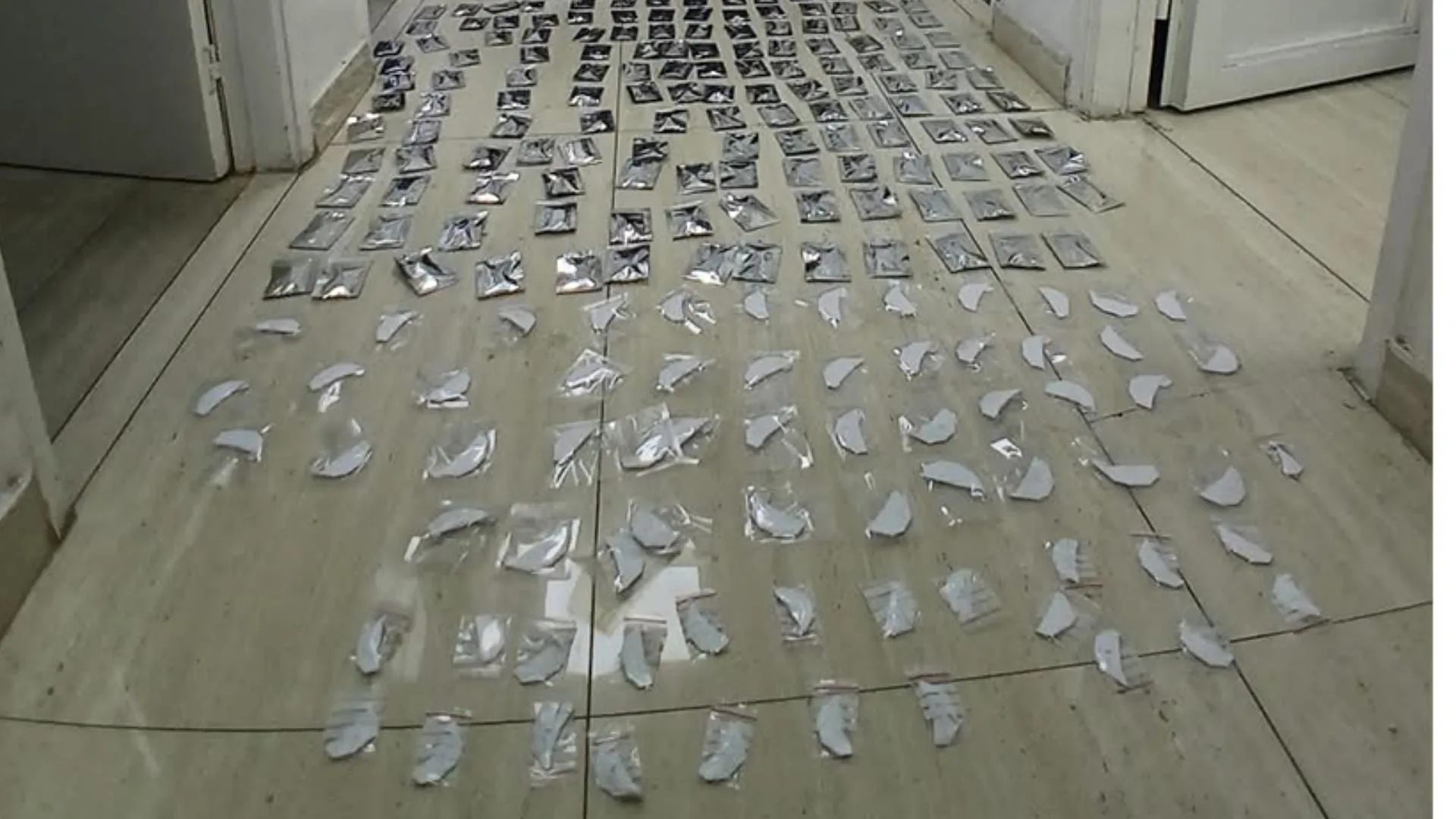
The Israeli army announced the discovery of two weapons and combat equipment storage facilities inside a civilian home and a warehouse in the town of Mays al-Jabal, along with an apartment it claimed was used for operational purposes in the town of Al-Tayri, near UN sites in southern Lebanon.
In a statement yesterday, the Israeli army clarified that the two depots in Mays al-Jabal are located approximately 100 and 200 meters from a UN site, containing Kalashnikov rifles, shells, RPG launchers, machine guns, hand grenades, explosive devices, ammunition, communication and reconnaissance means, as well as humanitarian aid boxes and symbols of the Amal Movement and Hezbollah.
It also noted the discovery inside the apartment in Al-Tayri, about 250 meters from a UN site, of combat equipment, reconnaissance devices, and stay-over preparations, in addition to symbols it said belonged to Hezbollah.
The Israeli army accused UNIFIL forces of failing to perform their mission, claiming that "these seizures support its accusations."
Implementation is the responsibility of both parties
In her comment, Candice Ardel, spokesperson for the United Nations Interim Force in Lebanon (UNIFIL), confirmed in an exclusive interview with Al-Ain News that the responsibility for implementing UN Security Council Resolution 1701 falls on the two parties to the conflict, Lebanon and Israel, each within its own territory.
Ardel stressed that the presence of weapons and unauthorized armed personnel south of the Litani River constitutes a blatant violation of Resolution 1701, while clarifying that UNIFIL's mandate does not grant it authority to inspect private property or forcibly disarm Hezbollah or any other armed group.
She affirmed that removing unauthorized weapons can only be achieved through the full implementation of Resolution 1701 and the extension of Lebanese state authority over all territories in southern Lebanon, including through the deployment of the Lebanese Armed Forces.
Limits of UNIFIL roles and powers
She explained that UNIFIL's role is to support the implementation of the resolution by monitoring compliance with its provisions, reporting violations, and assisting both parties in fulfilling their obligations, noting that the UN force has consistently reported violations related to the resolution to the UN Security Council.
In this context, the UNIFIL spokesperson said that peacekeeping forces had observed suspicious activities and concerning sites within their area of operations prior to October 2023, and worked to report them.
She said: "We reported any concerning activities or infrastructure when observed, and requested Lebanese authorities to facilitate our access to suspected sites. This access was not always granted to us in a timely manner."
She indicated that these incidents were documented and reported to the UN Security Council, and were addressed repeatedly by the UN Secretary-General in his periodic reports, reflecting that challenges related to accessing some sites and monitoring suspicious activities are not new and have previously been raised at the international level.
Regarding the mission's stance on developments in the security situation in the south, Ardel affirmed that achieving permanent security and stability requires the full commitment of all parties to implement UN Security Council Resolution 1701.
The UNIFIL spokesperson had previously emphasized in an interview with Al-Ain News that UN forces do not coordinate with Hezbollah, clarifying that the mission's direct and daily coordination is with the Lebanese Army, including joint patrols and other field activities.
According to Ardel, approximately 7,500 peacekeepers are currently stationed within the area of operations of the United Nations Interim Force in Lebanon (UNIFIL), located between the Litani River in the north and the Blue Line in the south (a line drawn by the UN separating Lebanon from Israel, where any unauthorized crossing constitutes a violation of Security Council Resolution 1701), with the participation of about 50 countries.
According to UNIFIL announcements, its mandate ends on December 31, 2026, followed by the start of force reduction and withdrawal from Lebanon, raising fears of a security vacuum in the south amid continuing tensions and challenges related to the implementation of Resolution 1701 and the extension of Lebanese state authority over the region.
Latest news

Rudolph Hekal Receives French Ambassador to Discuss Army Support and Post-UNIFIL Phase

Citizen Shot in Mina, Shooter Flees
Technical Committee Discusses Draft Anti-Corruption Strategy and Citizen Charter