·
·


Miscellaneous
Charlie Balloqui, 23, faces daily risks from narcolepsy and cataplexy, having endured years of misdiagnosis before finding supportive employment.

Charlie Balloqui’s condition renders routine activities like cooking or bathing hazardous. The 23-year-old from Portsmouth suffers from type 1 narcolepsy, a disorder causing uncontrollable sleepiness and muscle weakness. She can collapse while remaining fully conscious, unable to speak or move. Despite these severe symptoms, she reports that her condition is frequently dismissed as laziness or faking by those around her.
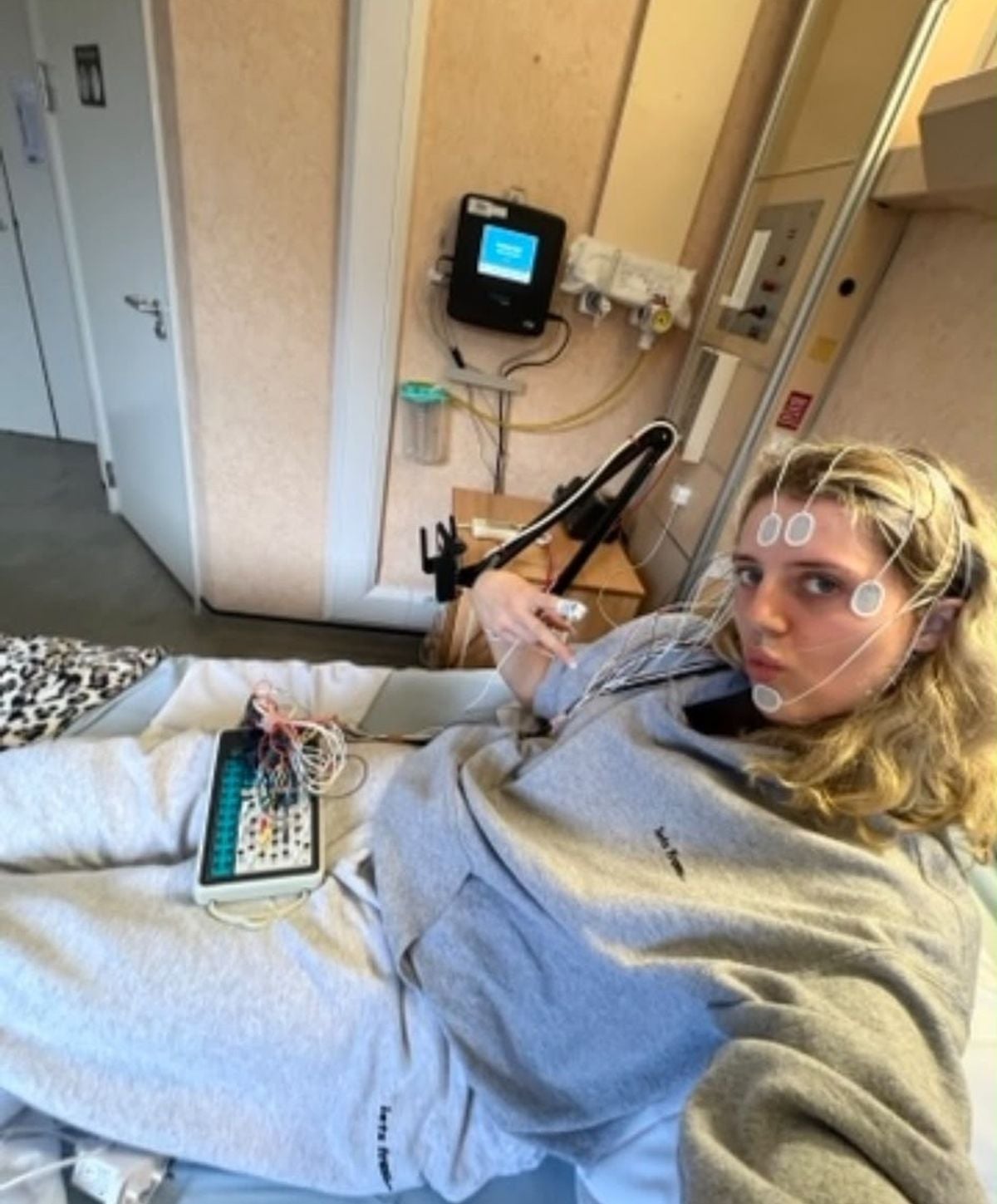
Charlie in hospital
Balloqui describes falling asleep in numerous settings, including nail salons, dentist appointments, public transport, workout classes, first dates, restaurants, and at her desk. She has dozed off on the toilet for hours, in the front row of theatre shows, and on a lilo in swimming pools. During GCSE exams, she also fell asleep. Her mother discourages baths due to safety concerns after Balloqui previously woke up to smoke alarms following episodes where she fell asleep with food in the oven.
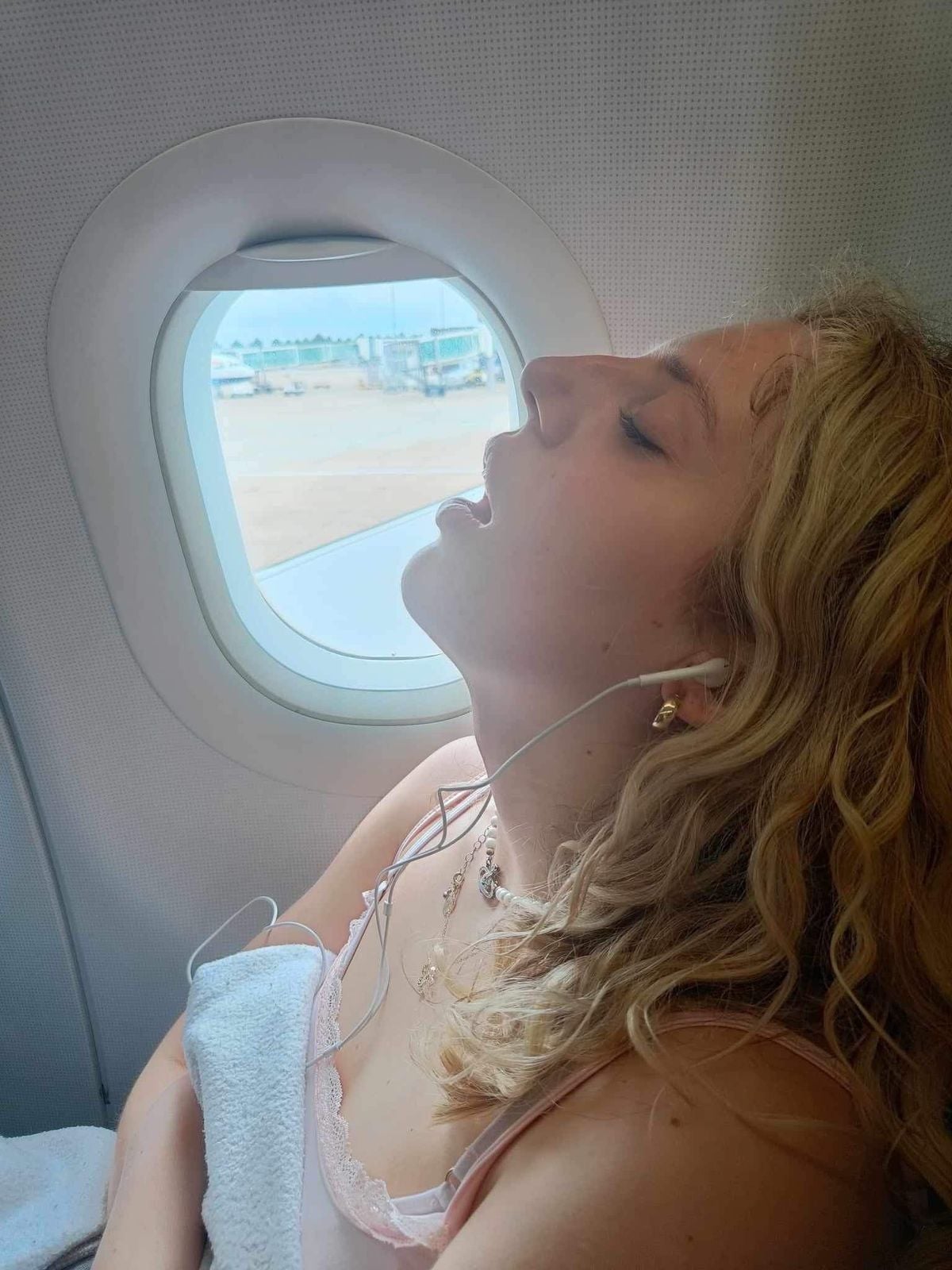
Charlie sleeping
In one incident, she slept through her stop on a bus until the terminus. The driver shouted at her, calling her lazy and stupid. This experience shook her deeply because she was disoriented and alone on the vehicle. People often assume she is being dramatic or unproductive, even reporting her behavior to management at her current job managing a dance studio.

Charlie will fall asleep anywhere
Balloqui first sought medical help at age 12 after repeatedly falling asleep at school. Doctors initially attributed her symptoms to the "normal changes" of growing up and hormonal shifts. She recalls feeling embarrassed, fearing she was wasting doctors' time or pretending something was wrong. Even her parents and friends viewed her as merely sleepy or lazy, unaware of the underlying medical issue.
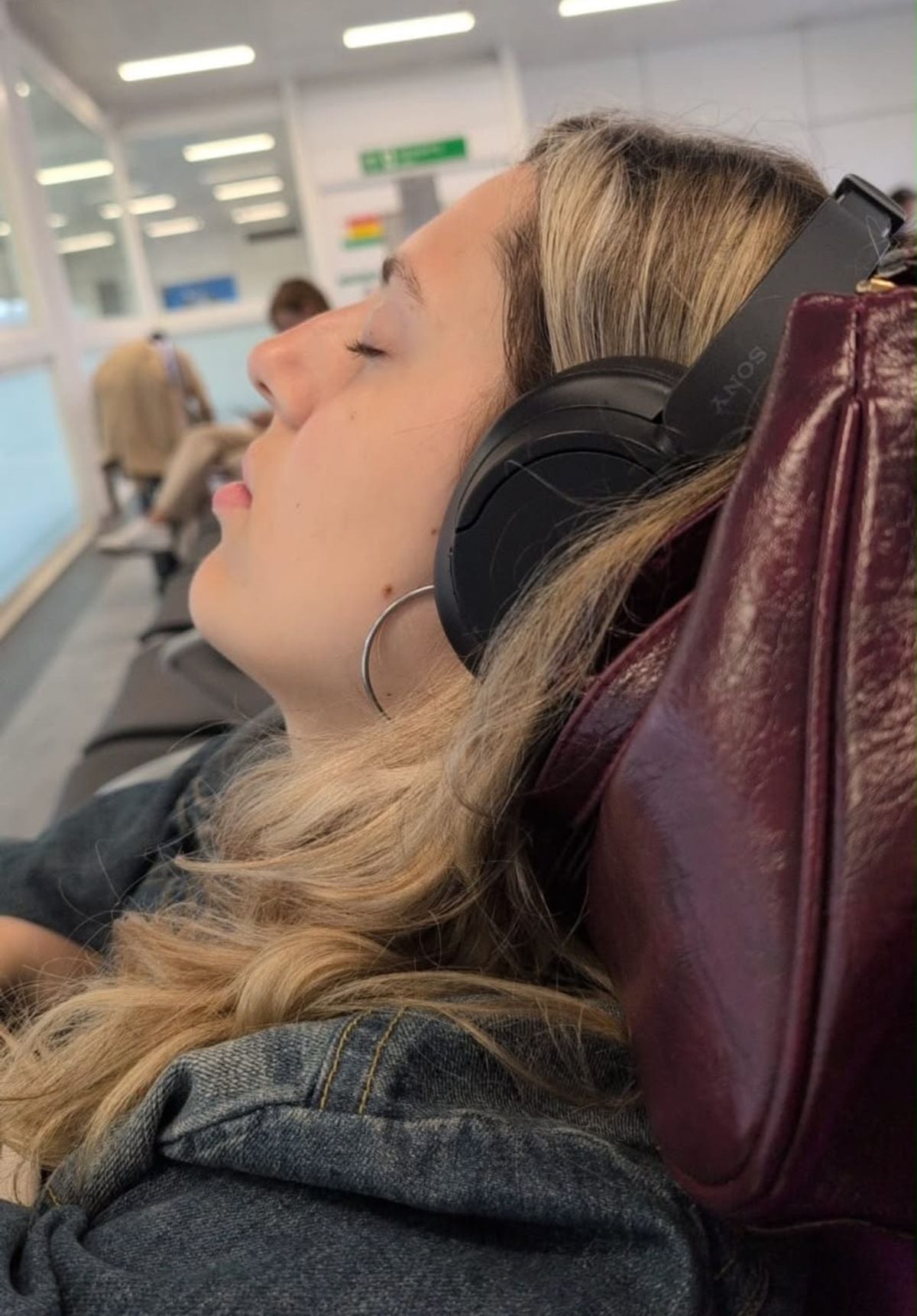
Charlie says people think she is lazy
She struggled to cover up her episodes in class to avoid trouble, despite being a well-behaved student. The diagnosis of type 1 narcolepsy came only shortly before her 18th birthday, after her mother persistently pushed for further investigation. Balloqui also experiences cataplexy, a sudden loss of voluntary muscle control triggered by strong emotions such as laughter, surprise, anger, or sadness.
The diagnosis brought relief, allowing Balloqui to explain that she is neither lazy nor dramatic. However, her symptoms vary significantly day-to-day. On good days, she forgets her disability; on bad days, she struggles to function to her full potential. She is legally prohibited from driving because she falls asleep whenever in motion within a car.
Cataplexy episodes are most intense when she is shocked or sad. When informed of a relative’s death, she collapsed to the floor, awake but immobile for several minutes. While manageable at home, public episodes are frightening. Before an episode, she feels cold and heavy-eyed. If she fights the urge to sleep in public, she may hallucinate shapes or people as her brain begins to shut down.
Balloqui has structured her career around her condition. She works three days a week managing a dance studio and spends other days auditioning. Her employers have been exceptionally supportive, providing a sofa in the office for naps during difficult days. In previous roles, she hid her narcolepsy out of fear it would hinder her employment prospects or career progression.
She met her partner, Patrick Asikaiwe, 25, two years ago. He researched narcolepsy before their first date, later showing her his Google history which included queries on how to care for a girlfriend with the condition. They have remained together since that initial meeting.
Balloqui previously used methylphenidate to stay awake but stopped taking it this year. She now manages her symptoms primarily through exercise. She relies on humor to cope, adhering to the philosophy that if you don’t laugh, you’ll cry. Narcolepsy forced her to leave a desk job and pursue a life she loves, a change for which she expresses gratitude.
While she generally copes well, bad days can lead to emotional buildup. She focuses on positive aspects of her life to maintain resilience. Her story highlights the physical dangers and social stigma associated with untreated or misunderstood narcolepsy, emphasizing the importance of accurate diagnosis and workplace accommodation.