·
·


Miscellaneous
Paul Coleman, a 38-year-old veteran with incurable brain cancer, is selling his wheelchair-accessible house to pay for private treatment.

Paul Coleman and his wife Michelle are liquidating their family home in Geddington, Northamptonshire, to finance experimental medical care. The couple spent £150,000 adapting the property for wheelchair accessibility after Paul’s benign brain tumour became malignant. Now facing an incurable diagnosis, they aim to use the sale proceeds to cover the cost of private treatment sessions priced at £4,000 each.
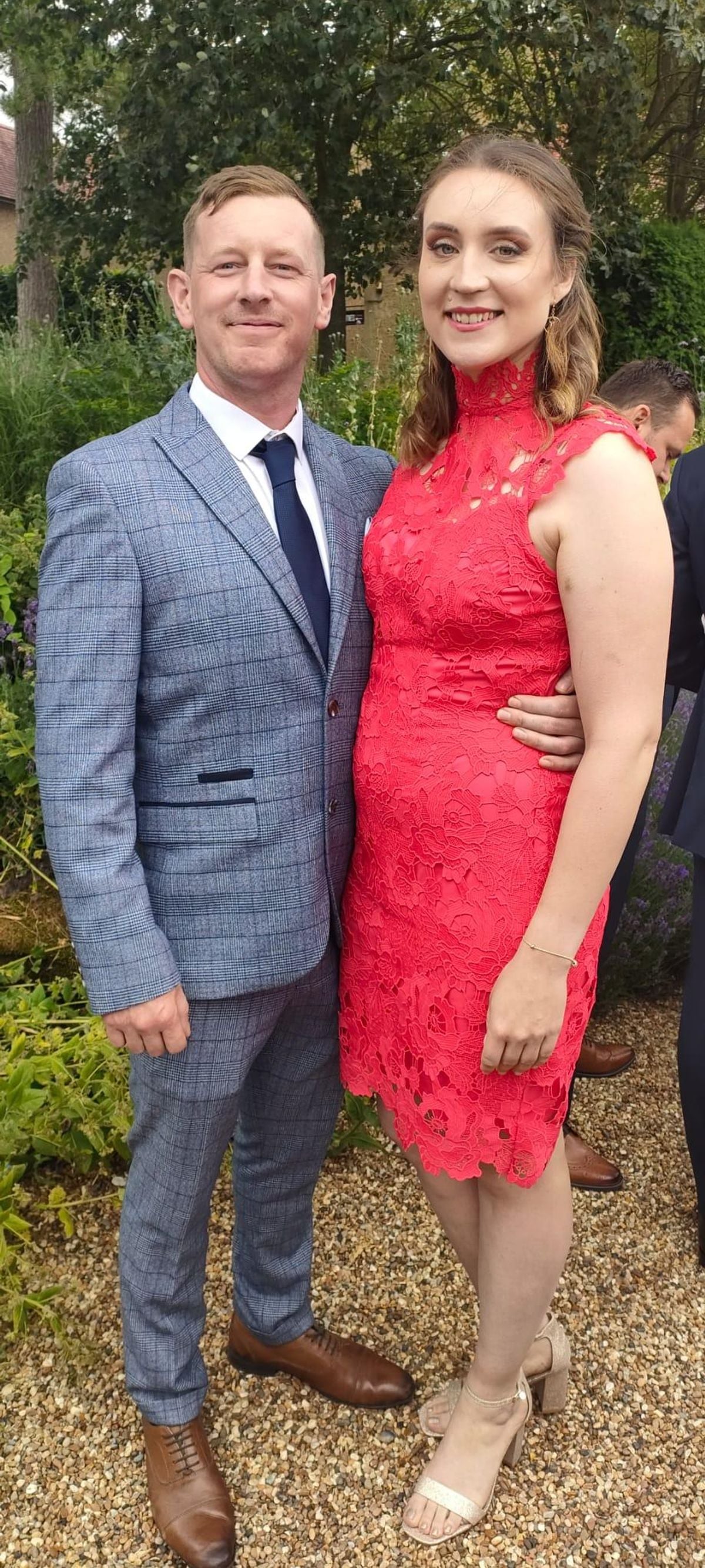
Paul and Michelle said their lives felt 'normal' for many years
Coleman first noticed hearing loss in one ear during 2012. A routine workplace health check prompted a visit to his GP, leading to tests that identified a benign brain tumour. Medical staff initially monitored the condition through annual MRI scans. Coleman recalled assuming the hearing issue stemmed from his military service, describing the diagnosis as a shock.
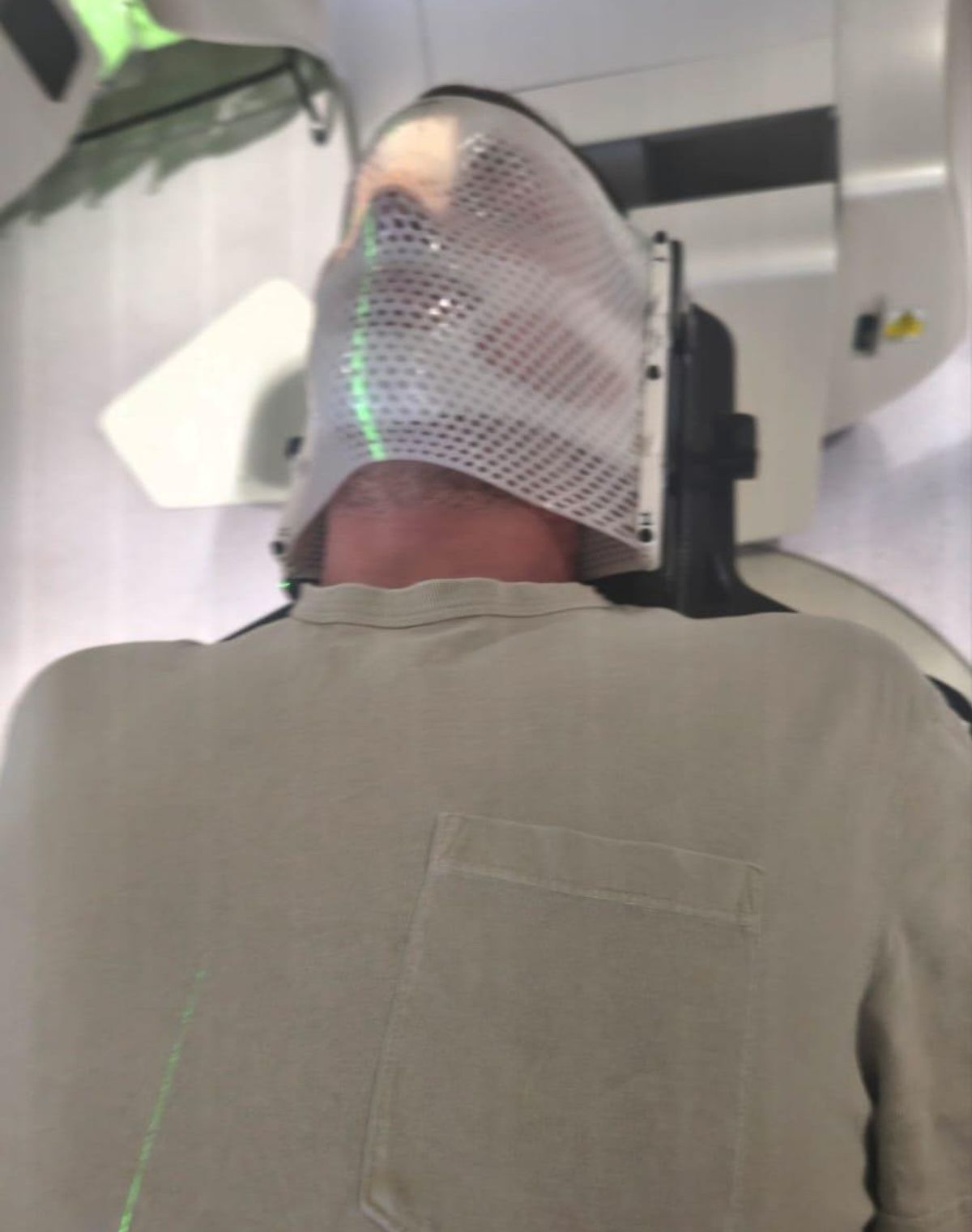
Paul was monitored with annual MRI scans initially
For several years, the couple maintained what they described as a “normal life,” though anxiety spiked before each scan. In 2015, they purchased their first home, but insurance providers rejected Coleman for life coverage. “It felt like they knew more than us on what was to come,” he stated. By 2020, scans revealed the tumour had grown, and a biopsy confirmed it had turned cancerous despite the absence of new symptoms.
Following the 2020 diagnosis, Coleman underwent radiotherapy and chemotherapy. Doctors estimated he had between five and eight years to live. Two years later, in 2022, imaging showed the tumour occupying approximately 25% of his brain and classified as grade four. The Brain Tumour Charity notes that standard treatment for grade four glioblastoma typically yields a life expectancy of 12 to 18 months.
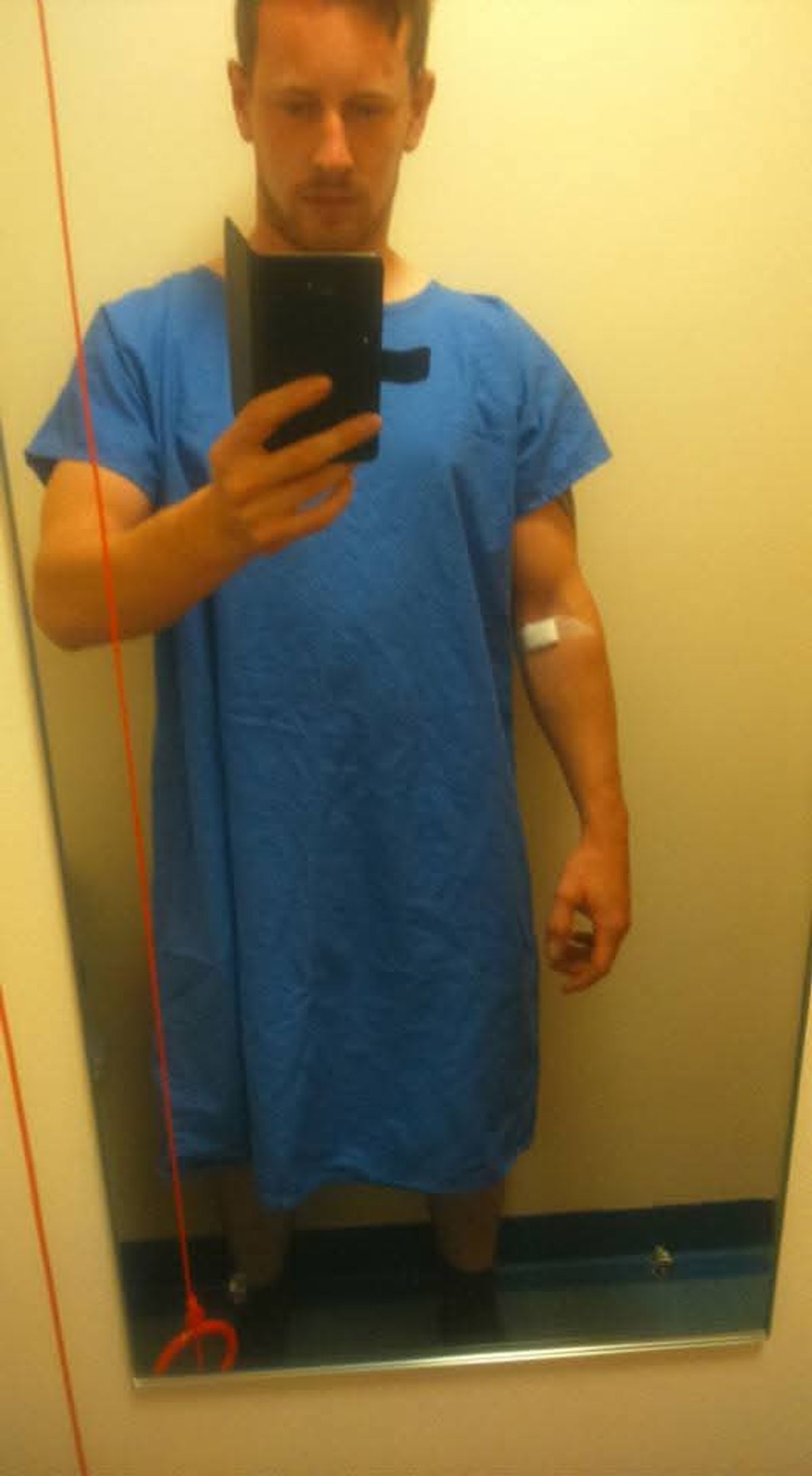
Paul noticed he had lost hearing in one ear in 2012
Surgery in 2022 removed most of the mass, but surgeons left a strip intact to prevent permanent brain damage. Post-operative complications included severe bedbound periods, slurred speech, eye tracking issues, and mobility problems. Further treatments kept the disease “at bay” for a time, with quarterly scans showing no growth.
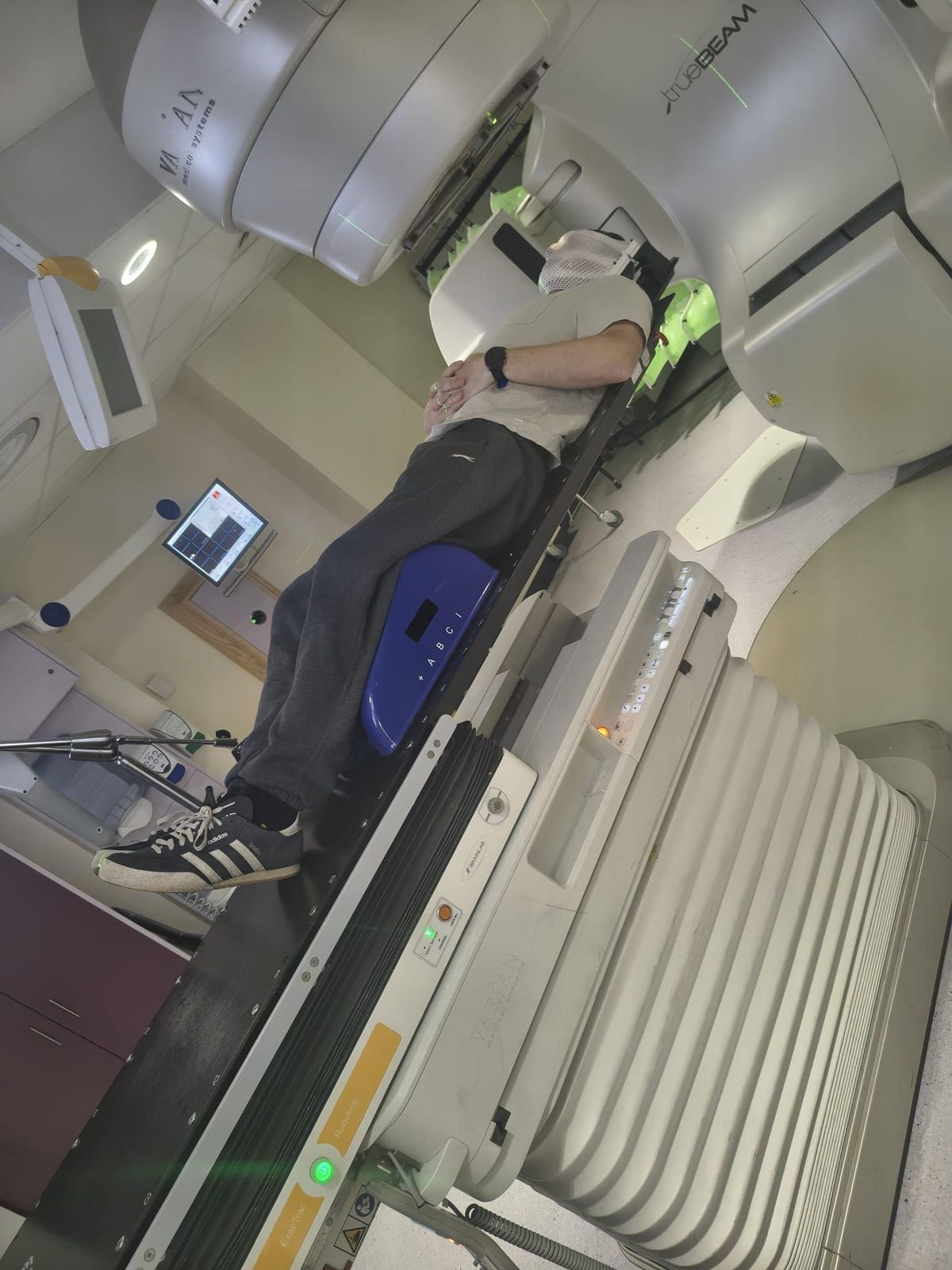
Paul's tumour was initially benign
In early 2026, the tumour progressed to the brain stem. Additional radiotherapy completed in July left Coleman severely debilitated, causing constant vomiting, piercing headaches, and multiple emergency room visits. Side effects included brain swelling, tremors in his right hand, facial drooping, and weakness in his right leg. A multidisciplinary team meeting concluded that surgery was no longer viable.
Medical professionals have recommended Bevacizumab, a targeted drug that blocks vascular endothelial growth factor (VEGF) to starve cancer cells of blood supply. According to Cancer Research UK, this protein aids tumour growth by facilitating blood vessel formation. The treatment would run alongside chemotherapy to address swelling and necrosis. However, the therapy is not routinely available on the NHS, requiring private funding.
Michelle, an accountant, and Coleman, a groundworker, launched a GoFundMe campaign with a £20,000 target. They have raised over £15,800 so far. “The kindness from everyone has just been unreal and it’s taken a massive weight off our shoulders,” Michelle said. The couple remains uncertain about the total number of treatments required.
They have placed their house on the market to maximize funds for care. “All the money we’re paying for our mortgage could be going towards treatment if we downsize,” Michelle explained. She noted the difficulty of leaving the home, which supports their local community network. Coleman affirmed his resolve: “I fought for my country, and I’ll fight this.”