Miscellaneous
Mystery Solved: First New Wild Cat Species in Over 100 Years!
Scientists identify Leopardus tilcayo, the first new wild cat species discovered in over 100 years, using genomic data from images taken in 2017.

The scientific community has officially recognized a new species of wild cat, marking the first addition to the feline family in more than a century. The newly identified animal, named Leopardus tilcayo, was confirmed through comprehensive genomic analysis that resolved a decade-long biological mystery regarding its distinct evolutionary lineage.

Origins of the discovery
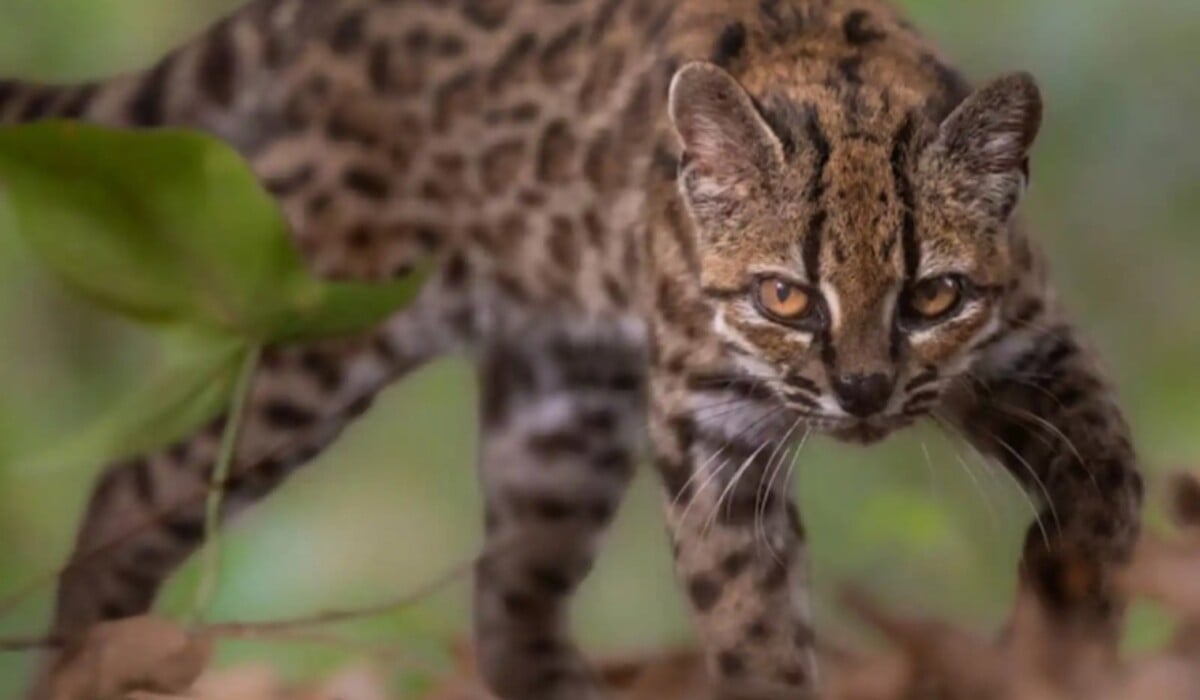
The investigation began in 2017 when biologist Paula Carranza captured approximately 100 photographs of an unusual animal at the Cinda Verde shelter. She noted specific physical characteristics that set this creature apart: a small, compressed face, short rounded ears, and a body covered in leopard-like spots. Despite these visual cues, the animal’s weight remained under three pounds, suggesting it was not merely a variant of known species but potentially something entirely different.
Genomic evidence and classification
Recent full-genome analyses provided the definitive proof needed to classify the animal as a separate entity. These tests revealed that the small cat diverged evolutionarily from other spotted cats roughly 1.4 million years ago. This genetic separation establishes Leopardus tilcayo as the sixth member of the spotted cat family, a distinction previously unknown to science until now.
Conservation implications
The findings were published in the journal Current Biology, highlighting urgent conservation concerns. Researchers emphasize the need to protect individuals of this mysterious species, whose population count in the wild remains unknown. The discovery serves as a reminder that significant natural secrets can persist within the smallest and most overlooked details of biodiversity.