·
·


Tech & Science
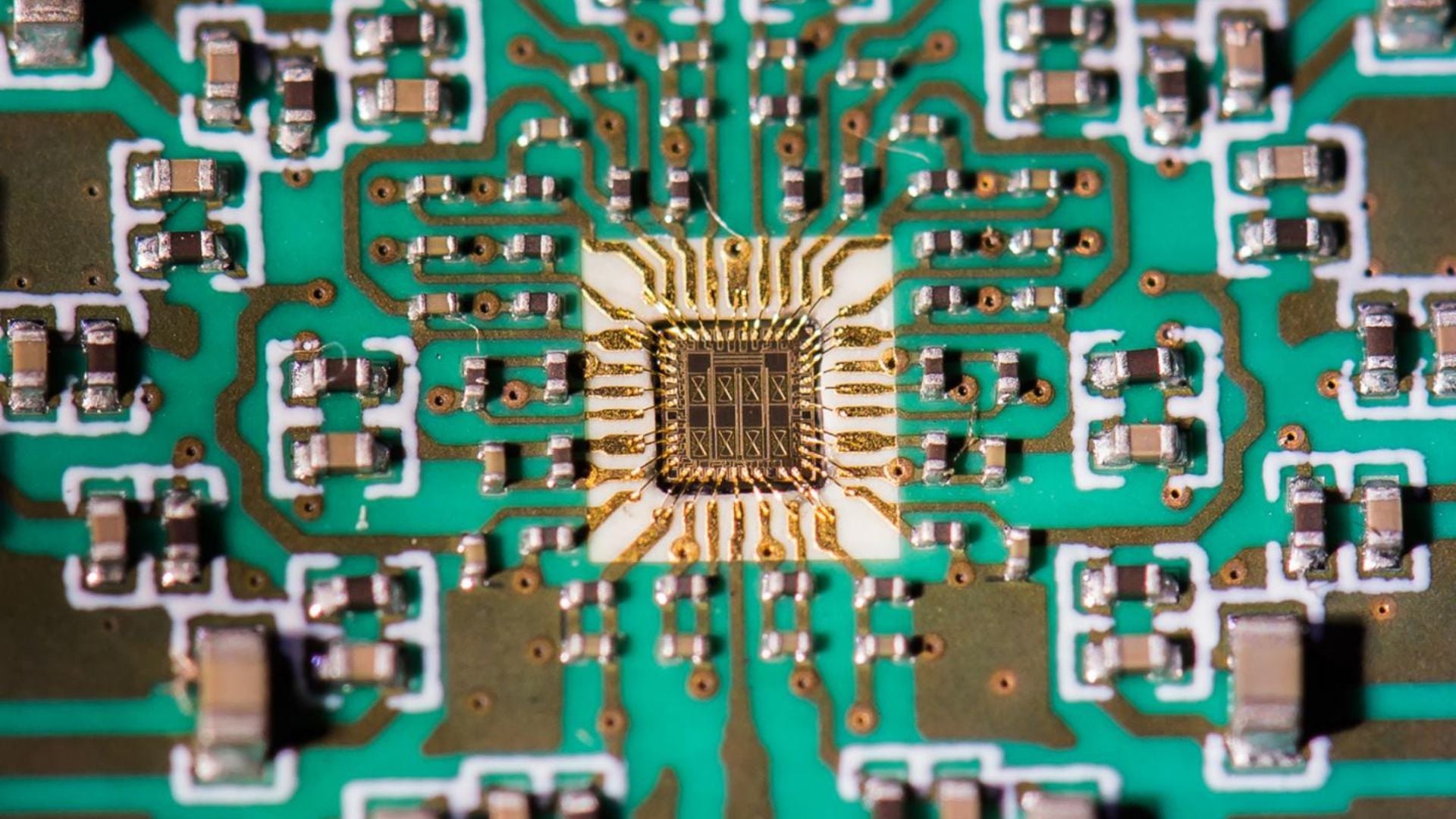
A new silicon-germanium chip from Paderborn University achieves the world's highest combined sampling rate and bandwidth in a track-and-hold circuit.

A silicon-germanium chip developed at Germany's Paderborn University has set a world record for the highest combined sampling rate and bandwidth ever achieved in a track-and-hold circuit. This component is essential for ultra-fast signal processing, converting analog signals into digital data.
The breakthrough, part of the PACE project at the Heinz Nixdorf Institute, enables the chip to process over 500 gigabits per second in a single channel using quadrature amplitude modulation. In multi-channel configurations, researchers say the data rate could exceed 100 terabits per second, a level relevant for long-distance communication networks.
The advance could improve how data is handled in communication systems, artificial intelligence, and cloud infrastructure. The chip captures extremely fast-changing signals and converts them into digital form for processing, a function critical in modern electronics where systems must handle massive amounts of data in real time.