·
·


Tech & Science
A research team from Yonsei University in South Korea has succeeded in developing an innovative artificial retina that offers new hope for patients with degenerative blindness. This technology relies on converting invisible rays into signals understood by the brain, helping to partially restore vision.

A research team from Yonsei University in South Korea has succeeded in developing an innovative artificial retina that offers new hope for patients with degenerative blindness. This technology relies on converting invisible rays into signals understood by the brain, helping to partially restore vision.
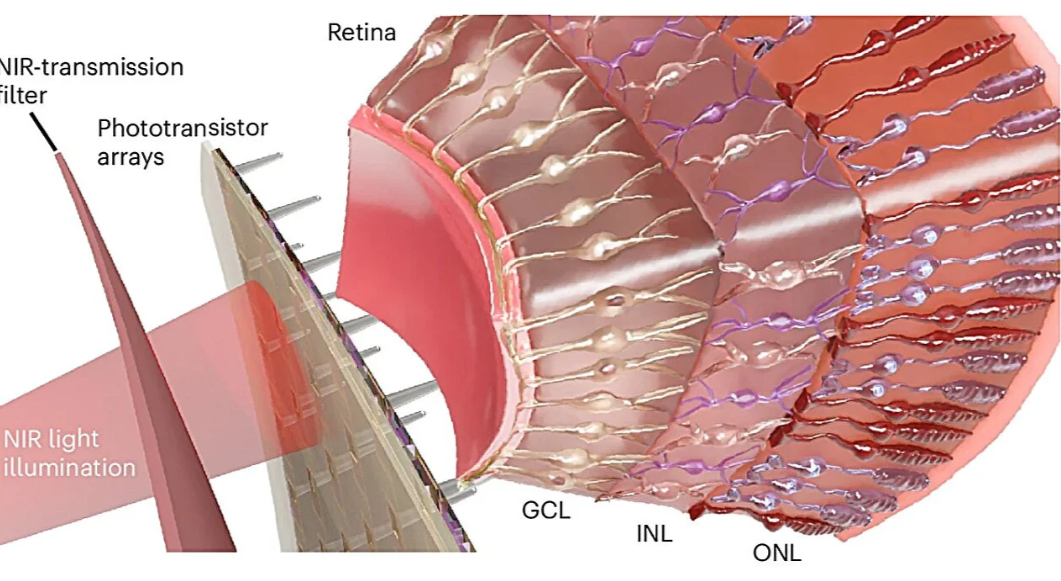
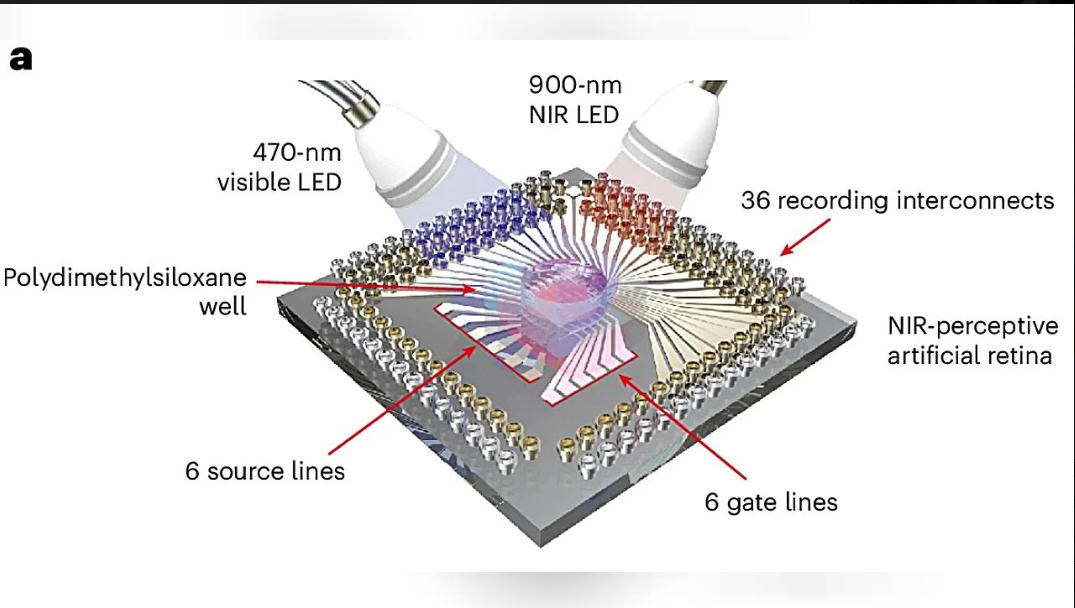
The developed retina relies on a precise system consisting of two main parts that work in complete harmony:
Phototransistor array: Captures near-infrared rays and converts them into electrical pulses.
Liquid metal electrodes: Fine cylindrical electrodes transmit signals to the ganglion cells responsible for vision in the brain.
These liquid metal electrodes are characterized by extreme softness, ensuring close contact with the sensitive retinal cells. Accordingly, this flexibility contributes to reducing the likelihood of tissue damage and transmitting electrical charges more efficiently than previous technologies.
"This technology allows for the creation of a new visual channel for patients without affecting any remaining natural vision."
— Yonsei University Research Team
Tests conducted on experimental mice showed extremely positive results, with partial recovery of light sensation observed. Brain analyses and behavioral tests confirmed the device's success in effectively transmitting visual information, with high biocompatibility preventing eye damage.
Despite the need for more clinical trials before widespread human application, the technology's developers are looking for results beyond that. In addition to treating blindness, this retina may contribute to expanding human sensory capabilities by enabling the perception of infrared rays that the normal human eye cannot see.
According to "Tech Xplore", this step represents a qualitative leap in integrating biotechnology with clinical medicine to serve millions worldwide.
In your opinion, will AI-powered vision become the new standard for treating eye diseases in the future?